The Connection Between Male Reproductive Health and Mental Health
When we think of male reproductive health, we often focus on physical concerns such as fertility and sexual function. However, what many people don’t realize is that there is a strong connection between male reproductive health and mental health. In fact, research has shown that issues with male reproductive health can have a significant impact on mental well-being, and vice versa. In this blog post, we will explore this connection and the ways in which it can affect men’s overall health and quality of life.
The Physical and Emotional Toll of Infertility
Infertility is a common issue that affects both men and women. However, many people don’t realize that men can also struggle with infertility. In fact, male infertility is responsible for about 30-40% of all infertility cases. When a man is unable to conceive a child with his partner, it can have a significant impact on his mental health. Studies have shown that men with infertility are at a higher risk for depression, anxiety, and relationship problems.
The pressure to have children and fulfill societal expectations of masculinity can also take a toll on men’s mental health. Men may feel ashamed, inadequate, or emasculated by their infertility, leading to feelings of low self-esteem and even depression. This can also put a strain on their relationships with their partners, as well as their relationships with family and friends.
The Link Between Sexual Dysfunction and Mental Health
Sexual dysfunction is another issue that can greatly affect men’s reproductive health and mental well-being. This refers to any difficulty or problem with sexual desire, arousal, or performance. Common sexual dysfunctions include erectile dysfunction, premature ejaculation, and low libido. These issues can have a significant impact on a man’s self-confidence and self-image, leading to feelings of anxiety, depression, and even shame.
In addition, sexual dysfunction can also cause strain in relationships, leading to communication problems and reduced intimacy. This can further contribute to mental health issues such as depression and anxiety. It’s important for men to seek help and address these issues, as they can greatly impact their overall quality of life.
The Mental Health Effects of Hormonal Imbalances
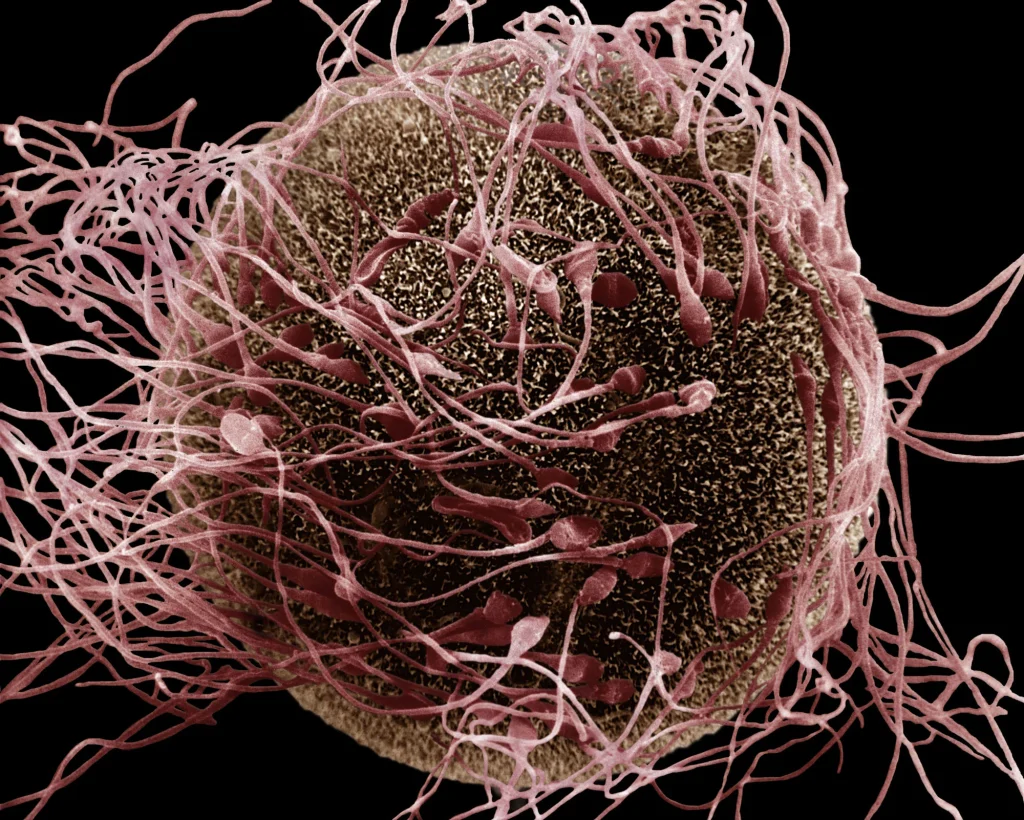
The Connection Between Male Reproductive Health and Mental Health
Testosterone is the primary male sex hormone and plays a crucial role in reproductive health. However, hormonal imbalances can occur for various reasons, such as aging, chronic stress, and certain medical conditions. Low testosterone levels, also known as hypogonadism, can cause a range of symptoms including decreased sex drive, fatigue, and depression. In contrast, high testosterone levels have been linked to aggression, mood swings, and anxiety.
In addition, hormonal imbalances can also affect sperm production, leading to fertility problems. These issues can take a toll on men’s mental health, causing emotional distress and affecting their overall well-being.
The Impact of Prostate Health on Mental Well-Being
The prostate is a small gland located below the bladder that is responsible for producing semen. As men age, the prostate may become enlarged, leading to urinary problems and sexual dysfunction. In more severe cases, prostate cancer may develop. Both of these conditions can greatly impact a man’s mental health, causing feelings of fear, anxiety, and even depression.
In addition, treatments for prostate health issues can also have a significant impact on mental well-being. Treatments such as surgery, radiation therapy, and hormone therapy can cause side effects such as erectile dysfunction, incontinence, and fatigue. These physical changes can greatly affect a man’s self-image and confidence, leading to mental health issues.
The Importance of Addressing Mental Health in Male Reproductive Health
It’s clear that there is a strong connection between male reproductive health and mental health. The physical and emotional toll of reproductive health issues can greatly impact men’s mental well-being, leading to a vicious cycle of physical and mental health problems. It’s crucial for men to address their mental health and seek help when needed, as it can greatly improve their overall quality of life.
Seeking Support and Treatment
If you are struggling with any reproductive health issues or mental health concerns, it’s important to seek support and treatment. Talking to a healthcare professional can help you address any physical issues and provide you with resources for improving your mental health. In addition, seeking support from loved ones or joining a support group can also be beneficial. Remember, you are not alone, and there is help available.
In conclusion, the connection between male reproductive health and mental health is an important aspect of men’s overall well-being. Issues such as infertility, sexual dysfunction, hormonal imbalances, and prostate health can greatly impact men’s mental health and quality of life. It’s crucial for men to address these issues and seek help when needed. By taking care of both physical and mental health, men can lead happier and healthier lives.