Blog Post:
Alcohol consumption is a common and socially acceptable activity in many cultures, but its effects on health are often overlooked. While most people are aware of the negative impacts of alcohol on various organs like the liver and heart, its effects on male reproductive health are not widely discussed. However, studies have shown that alcohol consumption can have a significant impact on male reproductive health, leading to issues with fertility, sexual function, and hormonal imbalances. In this blog post, we will delve into the impact of alcohol on male reproductive health and shed light on this important yet often neglected topic.
Fertility:
One of the most significant impacts of alcohol on male reproductive health is its effect on fertility. Several studies have linked heavy alcohol consumption to decreased sperm count, motility, and quality. This is because alcohol affects the production and maturation of sperm cells in the testes, leading to abnormal sperm and decreased fertility. In fact, a study by the American Society for Reproductive Medicine found that men who consumed more than five units of alcohol per week had significantly lower sperm quality and a 33% higher risk of infertility. Additionally, alcohol consumption has been linked to erectile dysfunction, which can also impact a man’s ability to father a child.
Sexual Function:
Alcohol consumption can also have a negative impact on sexual function in men. While alcohol is known to lower inhibitions and increase sexual desire, it can also lead to problems with sexual performance. Excessive alcohol consumption can interfere with the release of neurotransmitters that are essential for sexual arousal, leading to difficulties with achieving and maintaining an erection. In the long term, this can cause chronic erectile dysfunction, which can have a significant impact on a man’s self-esteem and overall quality of life.
Hormonal Imbalances:
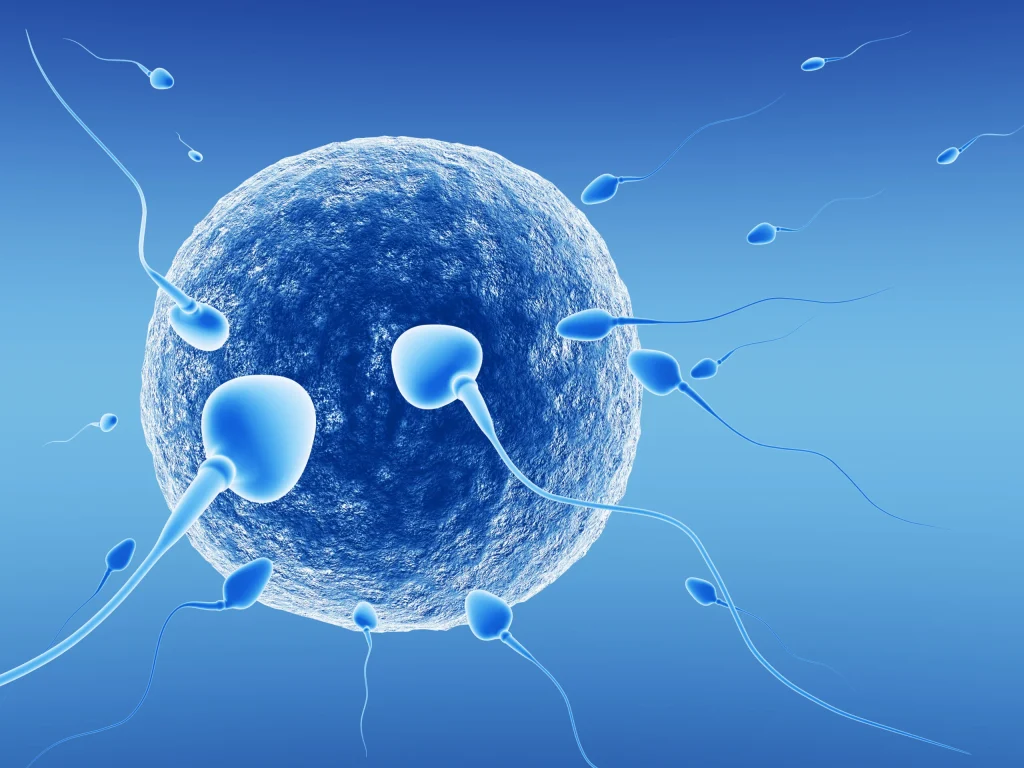
The Impact of Alcohol on Male Reproductive Health
Another lesser-known impact of alcohol on male reproductive health is its effect on hormones. Alcohol consumption can lead to an increase in the production of estrogen and a decrease in testosterone levels. This hormonal imbalance can lead to a range of issues, including decreased libido, erectile dysfunction, and even the development of male breast tissue. In the long term, this can also lead to infertility and other health problems.
Impact on Fetal Development:
While we have discussed the impact of alcohol on male reproductive health, it’s essential to mention its effect on fetal development as well. Consuming alcohol during pregnancy can have severe consequences for the developing fetus, including fetal alcohol syndrome (FAS). This condition can cause physical and mental disabilities, including abnormalities in the reproductive system. Studies have also shown that alcohol consumption by fathers can lead to genetic changes in sperm cells, affecting the health and development of their offspring.
How to Minimize the Impact of Alcohol on Male Reproductive Health:
The good news is that the impact of alcohol on male reproductive health can be minimized by making some lifestyle changes. The first and most obvious step is to limit alcohol consumption. The recommended limit for men is no more than two drinks per day, and it’s essential to take breaks from alcohol consumption to give the body time to recover. Maintaining a healthy weight, exercising regularly, and eating a balanced diet can also help improve reproductive health and counteract the negative effects of alcohol. Additionally, seeking help for alcohol addiction can have a significant impact on overall health and reproductive health.
In conclusion, alcohol consumption can have a significant impact on male reproductive health, leading to issues with fertility, sexual function, and hormonal imbalances. While the effects may not be immediately apparent, excessive alcohol consumption can have a long-term impact on a man’s ability to father a child and his overall well-being. It’s crucial to be aware of the potential risks and take steps to minimize the impact of alcohol on reproductive health.
Summary:
Alcohol consumption can have a significant impact on male reproductive health, affecting fertility, sexual function, and hormonal balance. Studies have shown that excessive alcohol consumption can lead to decreased sperm count and quality, erectile dysfunction, and hormonal imbalances. Additionally, consuming alcohol during pregnancy can have severe consequences for fetal development. To minimize the impact of alcohol on male reproductive health, it’s essential to limit alcohol consumption, maintain a healthy lifestyle, and seek help for alcohol addiction if needed.