Male menopause, also known as andropause or male hormone decline, is a condition that affects men as they age. While it is not as well-known or talked about as female menopause, it is a natural and normal part of aging for men. In this blog post, we will discuss what male menopause is, its symptoms, causes, and treatment options, as well as what every man should know about this often misunderstood condition.
What is Male Menopause?
Male menopause is the gradual decline in male hormones, particularly testosterone, as men age. While it is often associated with men in their 50s and 60s, it can actually begin as early as the 30s. This decline in hormones is a natural part of the aging process and is not a sudden or dramatic change like female menopause.
Symptoms of Male Menopause:
The symptoms of male menopause can vary from person to person, and not all men will experience the same ones. Some common symptoms include:
1. Low libido: As testosterone levels decline, men may experience a decrease in sex drive and have difficulty getting or maintaining an erection.
2. Fatigue: Lower levels of testosterone can also lead to fatigue and a lack of energy, making it harder for men to engage in physical activities or even everyday tasks.
3. Mood changes: Hormonal changes can also affect a man’s mood, leading to irritability, anxiety, and even depression.
4. Loss of muscle mass: Testosterone is important for building and maintaining muscle mass, so its decline can lead to a decrease in muscle strength and size.
5. Weight gain: As muscle mass decreases, men may experience weight gain, especially around the waistline.
6. Hot flashes: Just like women, men can also experience hot flashes due to hormonal changes.
Causes of Male Menopause:
The main cause of male menopause is the natural decline of testosterone as men age. However, there are other factors that can contribute to this decline, such as:
1. Lifestyle choices: Unhealthy habits like smoking, excessive alcohol consumption, and a sedentary lifestyle can accelerate the decline of testosterone.
2. Chronic health conditions: Certain health conditions like obesity, diabetes, and high blood pressure can also affect hormone levels and contribute to male menopause.
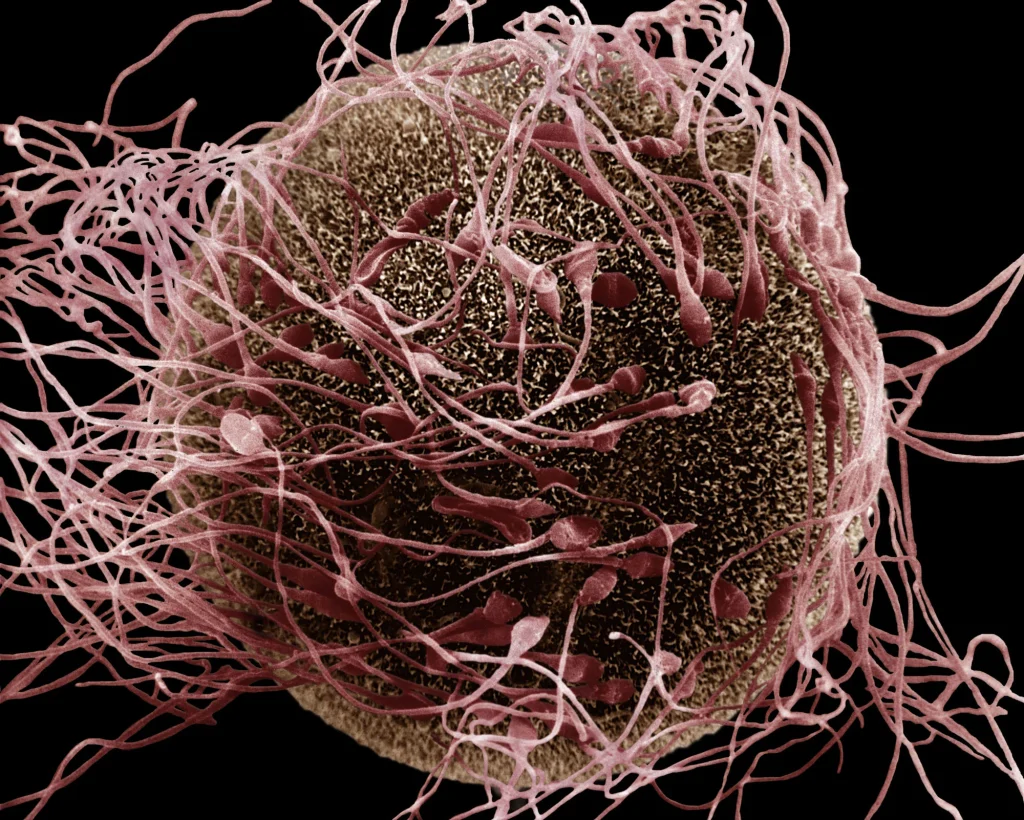
Male Menopause: What Every Man Should Know
3. Medications: Some medications, such as those used to treat prostate cancer, can also lower testosterone levels.
4. Stress: Chronic stress can affect hormone levels and contribute to the symptoms of male menopause.
Treatment Options:
The good news is that male menopause is treatable. If you are experiencing symptoms, it is important to speak with your doctor to determine the best course of treatment for you. Some common treatment options include:
1. Hormone replacement therapy: This involves replacing the declining hormones with synthetic hormones to restore balance in the body. However, this treatment comes with potential risks and side effects, so it is important to discuss it thoroughly with your doctor.
2. Lifestyle changes: Making healthier lifestyle choices, such as quitting smoking, reducing alcohol consumption, and exercising regularly, can help improve hormone levels and alleviate symptoms.
3. Supplements: Some supplements, such as DHEA and zinc, may help boost testosterone levels in men. However, it is important to consult with a healthcare professional before taking any supplements.
4. Therapy: If mood changes and depression are a significant part of your male menopause symptoms, therapy may be beneficial to help you manage your emotions and mental well-being.
What Every Man Should Know:
1. Male menopause is a normal and natural part of aging, and it is nothing to be ashamed of or embarrassed about.
2. Not all men will experience male menopause in the same way, and some may not experience it at all. It is important to pay attention to your body and speak with a doctor if you are experiencing any concerning symptoms.
3. Male menopause is not an excuse for unhealthy habits. Maintaining a healthy lifestyle can help alleviate symptoms and improve overall well-being.
4. There is no one-size-fits-all treatment for male menopause. It is important to work with a healthcare professional to determine the best course of treatment for your specific needs.
5. Male menopause is not the end of your sex life. While it may come with challenges, there are treatment options available to help improve sexual function and libido.
In summary, male menopause is a natural and normal part of aging for men. While it may come with challenges and uncomfortable symptoms, it is treatable and manageable. If you are experiencing any concerning symptoms, speak with your doctor to determine the best course of action for you.