Summary:
Endometriosis is a chronic and painful condition that affects 1 in 10 women of reproductive age. It occurs when the tissue that lines the uterus grows outside of it, causing inflammation and scarring in the pelvic area. This can lead to infertility, making it difficult for women with endometriosis to conceive naturally. In vitro fertilization (IVF) is a common treatment option for endometriosis patients, but it can be expensive and out of reach for many. However, there are now options for inexpensive IVF that can make the dream of parenthood a reality for endometriosis patients.
In this blog post, we will explore the challenges that endometriosis patients face when trying to conceive, the role of IVF in treating endometriosis-related infertility, and how inexpensive IVF has made parenthood a possibility for many.
The Challenges of Conceiving with Endometriosis:
Endometriosis can have a significant impact on a woman’s fertility. The scarring and inflammation caused by the condition can block the fallopian tubes, making it difficult for the egg to travel to the uterus. It can also affect the quality of the eggs and the lining of the uterus, making it difficult for the embryo to implant. In some cases, endometriosis can also cause hormonal imbalances, further complicating the process of conception.
Apart from the physical challenges, endometriosis can also take a toll on a woman’s emotional well-being. The constant pain and uncertainty about fertility can lead to stress, anxiety, and even depression. This can further worsen the chances of conception, creating a vicious cycle for endometriosis patients.
The Role of IVF in Treating Endometriosis-related Infertility:
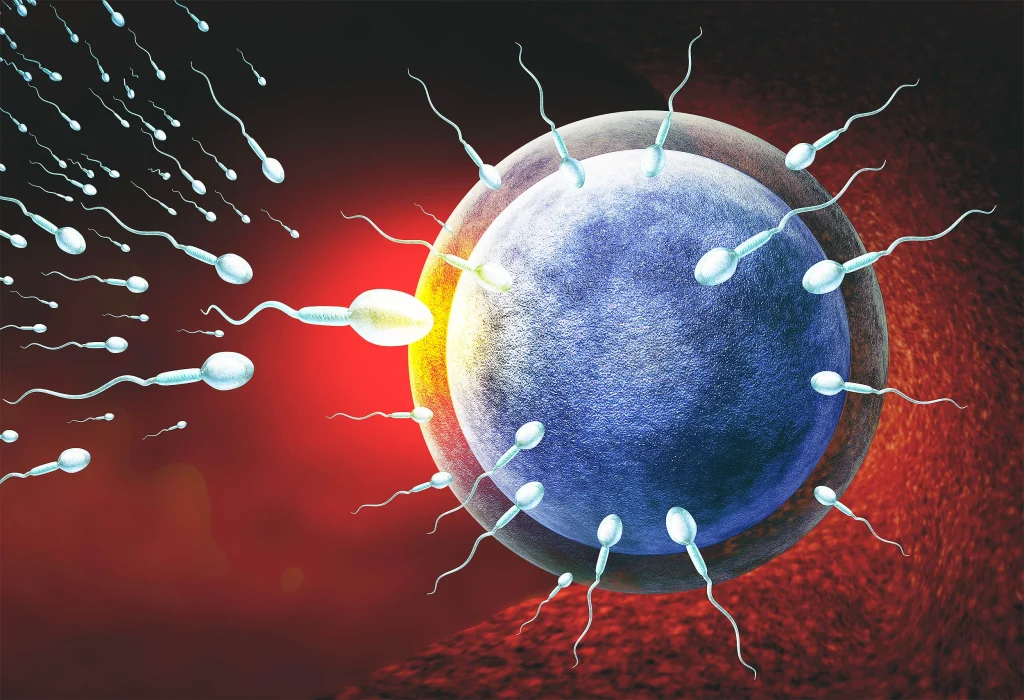
Inexpensive IVF: A Step Towards Parenthood for Endometriosis Patients
IVF is a fertility treatment that involves retrieving eggs from the ovaries and fertilizing them with sperm in a laboratory. The resulting embryos are then transferred to the uterus, where they can implant and grow into a healthy pregnancy. IVF has been a game-changer for women with endometriosis, as it bypasses the blocked fallopian tubes and other fertility issues caused by the condition.
However, traditional IVF can be expensive, with the average cost ranging from $12,000 to $15,000 per cycle. This can be a significant barrier for many endometriosis patients, who may have already spent a considerable amount on other treatments for their condition.
Inexpensive IVF: A Step Towards Parenthood:
Thankfully, advancements in technology and medical practices have led to the development of inexpensive IVF options for endometriosis patients. These options include mini IVF, natural cycle IVF, and low-dose IVF, all of which are significantly cheaper than traditional IVF. These methods use fewer or no fertility drugs, which are the most expensive part of the traditional IVF process.
Mini IVF, also known as minimal stimulation IVF, uses mild doses of fertility drugs to produce a smaller number of high-quality eggs. This reduces the cost of medication and monitoring, making it a more affordable option for endometriosis patients. Natural cycle IVF, on the other hand, does not involve any fertility drugs and relies on the woman’s natural menstrual cycle. This can be a great option for women who do not respond well to fertility drugs or have concerns about the side effects.
Low-dose IVF is a combination of both mini and natural cycle IVF. It involves using low doses of fertility drugs to stimulate the ovaries, followed by the retrieval of a small number of eggs. This method has shown promising results in women with endometriosis, with a higher pregnancy success rate compared to natural cycle IVF.
Inexpensive IVF not only provides a more affordable option for endometriosis patients but also has a lower risk of ovarian hyperstimulation syndrome (OHSS). OHSS is a severe and potentially life-threatening complication of traditional IVF, caused by an excessive response to fertility drugs. By using fewer or no fertility drugs, inexpensive IVF reduces the risk of OHSS, making it a safer option for endometriosis patients.
In conclusion, endometriosis can be a challenging condition for women who dream of becoming mothers. However, with the advancements in reproductive technology, inexpensive IVF has made the dream of parenthood a possibility for many. These options not only provide a more affordable alternative to traditional IVF but also have a lower risk of complications. If you are an endometriosis patient struggling with infertility, talk to your doctor about the possibility of inexpensive IVF and take a step towards parenthood.