Blog Post:
In vitro fertilization (IVF) has revolutionized the world of fertility treatment, giving hope to millions of couples struggling with infertility. However, there is one group of couples who often face additional challenges when it comes to IVF – those affected by endometriosis. Endometriosis is a condition where tissue similar to the lining of the uterus grows outside of it, causing pain and potential infertility. In this blog post, we will explore the future of IVF and how it can be made more accessible for couples dealing with endometriosis.
The Impact of Endometriosis on Fertility
Endometriosis affects an estimated 1 in 10 women of reproductive age, making it one of the leading causes of infertility. The condition can lead to scarring, adhesions, and blockages in the reproductive organs, making it difficult for couples to conceive naturally. In severe cases, it may even lead to complete infertility. Additionally, endometriosis can also affect the quality of eggs and sperm, further complicating the process of conceiving.
Current Challenges for Endometriosis Couples Seeking IVF
Despite the success of IVF in treating infertility, couples with endometriosis still face significant challenges when it comes to accessing this treatment. One of the main issues is the cost. IVF can be an expensive treatment, and many insurance companies do not cover it. This leaves couples with endometriosis struggling to afford the treatment, adding to the emotional and financial burden they already face.
Another challenge for endometriosis couples is the effectiveness of IVF. Due to the condition’s impact on egg quality, the success rate of IVF may be lower for these couples compared to those without endometriosis. This can lead to multiple rounds of IVF, which not only adds to the financial strain but also takes a toll on the couple’s emotional well-being.
The Future of IVF for Endometriosis Couples
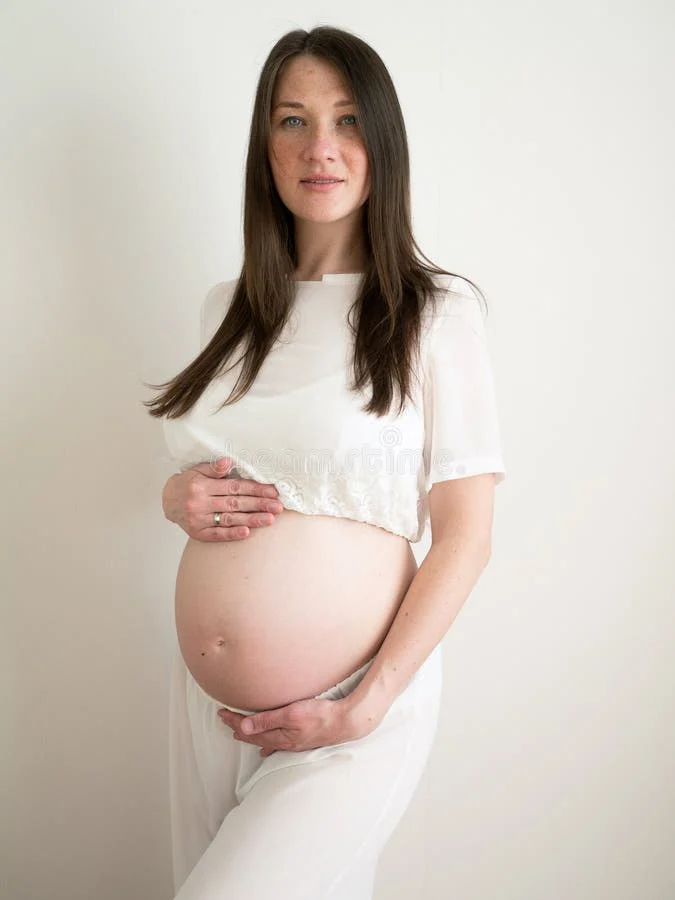
The Future of IVF: Making it Accessible for Endometriosis Couples
Fortunately, there are advancements in IVF technology that offer hope for endometriosis couples. One of these is the use of intracytoplasmic sperm injection (ICSI). This procedure involves injecting a single sperm directly into the egg, increasing the chances of fertilization even with lower quality sperm. This has been shown to improve the success rates of IVF for couples with endometriosis.
Another promising development is the use of preimplantation genetic testing (PGT). This procedure involves screening embryos for chromosomal abnormalities before implantation, reducing the risk of miscarriage and increasing the chances of a successful pregnancy. This is particularly beneficial for endometriosis couples, as the condition has been linked to a higher risk of chromosomal abnormalities in embryos.
Making IVF More Accessible for Endometriosis Couples
While these advancements in IVF technology offer hope for endometriosis couples, it is crucial to make the treatment more accessible for them. One way to achieve this is through insurance coverage. Many countries, including the United States, have started to mandate insurance coverage for fertility treatments. This not only helps with the financial burden but also ensures that couples have equal access to treatment regardless of their socioeconomic status.
Additionally, there is a need for more research and education on the impact of endometriosis on fertility and how IVF can be tailored to meet the specific needs of these couples. By understanding the condition better, doctors can develop more effective and personalized treatment plans for endometriosis couples.
Another way to make IVF more accessible is by offering financial assistance programs. Many fertility clinics and organizations have started offering grants and discounts for couples with specific medical conditions, including endometriosis. These programs can significantly reduce the cost of IVF treatment, making it more accessible for those struggling with infertility.
In conclusion, the future of IVF for endometriosis couples is promising, with advancements in technology and increasing efforts to make the treatment more accessible. However, there is still a long way to go in terms of reducing the financial and emotional burden faced by these couples. By working towards making IVF more affordable and tailoring it to meet the specific needs of endometriosis couples, we can offer hope and support to those struggling with infertility.
Summary:
In vitro fertilization (IVF) has been a game-changer for couples struggling with infertility. However, for couples affected by endometriosis, IVF can be even more challenging to access and less effective due to the condition’s impact on fertility. In this blog post, we discussed the current challenges faced by endometriosis couples seeking IVF and the promising advancements in IVF technology that offer hope. We also explored ways to make IVF more accessible for these couples, such as insurance coverage and financial assistance programs. By addressing these challenges and working towards making IVF more affordable and effective, we can offer hope to endometriosis couples and help them realize their dream of starting a family.