Blog Post:
Infertility is a common struggle for many couples, and the journey to parenthood can be a long and emotionally taxing one. As someone who has experienced this firsthand, I understand the desire to explore every possible option to start a family. One alternative that has gained popularity in recent years is low-cost IVF with donor eggs. In this blog post, I will share my personal experience with this process and provide insights for others considering this route.
The decision to pursue IVF with donor eggs was not an easy one for my husband and me. We had tried various fertility treatments without success, and after consulting with our doctor, we were told that using donor eggs would increase our chances of success. However, the high cost of traditional IVF with donor eggs was a major obstacle for us. That’s when we discovered the option of low-cost IVF with donor eggs.
Low-cost IVF with donor eggs is a more affordable alternative to traditional IVF with donor eggs. It involves using frozen donor eggs from an egg bank, which significantly reduces the cost compared to using fresh donor eggs. The process is also less complex and time-consuming, making it a more attractive option for couples like us who are on a tight budget.
The first step in this process was finding a reputable egg bank. After extensive research, we chose an egg bank that had a high success rate and positive reviews from previous clients. We also made sure to go through all the necessary legal procedures to ensure that our rights as parents were protected. This included signing a contract with the egg bank and obtaining legal advice to understand our rights and responsibilities.
Once we had chosen our donor, the next step was synchronization. This involved preparing my body for the embryo transfer by taking medication to thicken my uterine lining. Meanwhile, our donor was also undergoing hormone injections to stimulate the production of eggs. Once both of our cycles were in sync, the donor’s eggs were retrieved, fertilized with my husband’s sperm, and the resulting embryos were frozen for future use.
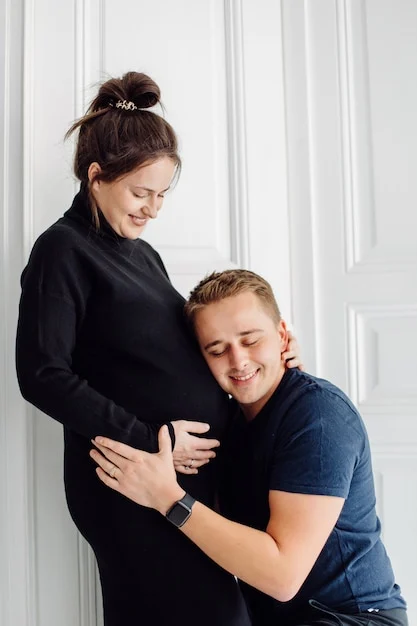
Low-Cost IVF with Donor Eggs: A Personal Experience
The frozen embryos were then transferred to my uterus through a simple and painless procedure. We were advised to take it easy for a few days after the transfer and were told to wait two weeks before taking a pregnancy test. Those two weeks felt like an eternity, but when we finally received the news that we were pregnant, we were overjoyed.
Our journey with low-cost IVF with donor eggs had a happy ending, and we welcomed our beautiful baby girl into the world. Looking back, we are grateful that we chose this option as it gave us a chance to experience the joys of parenthood without breaking the bank. It also allowed us to connect with our child genetically, as my husband’s sperm was used to fertilize the donor eggs.
Of course, every journey is unique, and low-cost IVF with donor eggs may not be the right choice for everyone. It is essential to consider all factors before making a decision, including the emotional and psychological aspects of using donor eggs. It is also crucial to have a support system in place, whether it is a partner, family, or a support group of others who have gone through a similar experience.
In conclusion, low-cost IVF with donor eggs can be a viable option for couples struggling with infertility. It offers a more affordable alternative to traditional IVF with donor eggs and can be a more straightforward and less time-consuming process. However, it is essential to do thorough research, consult with medical professionals, and have a strong support system in place before embarking on this journey.
Summary:
Low-cost IVF with donor eggs is a popular alternative for couples struggling with infertility. This process involves using frozen donor eggs from an egg bank, which is more affordable than traditional IVF with donor eggs. The first step is finding a reputable egg bank and going through the necessary legal procedures. The next steps include synchronization and embryo transfer, which result in a pregnancy. It is crucial to consider all factors and have a support system in place before pursuing this option.