Summary:
The COVID-19 pandemic has brought about unprecedented challenges for the healthcare industry, including the field of fertility preservation. With the focus on treating and preventing the spread of the virus, many individuals and couples seeking affordable fertility preservation have faced roadblocks and delays. In this blog post, we will discuss the impact of COVID-19 on affordable fertility preservation and how it has affected individuals and healthcare providers. We will also explore the measures being taken to address these challenges and ensure that individuals have access to affordable fertility preservation options during these uncertain times.
Introduction:
Fertility preservation is the process of storing eggs, sperm, or embryos for future use in assisted reproductive techniques. For individuals and couples who are unable to conceive naturally or are facing medical treatments that may affect their fertility, fertility preservation provides a chance to have biological children in the future. However, the high cost of fertility preservation procedures has made it a challenging option for many individuals. The COVID-19 pandemic has further exacerbated this issue, making affordable fertility preservation even more difficult to access.
Impact on Individuals:
The lockdowns and restrictions put in place to control the spread of COVID-19 have had a significant impact on individuals seeking fertility preservation. Many fertility clinics had to shut down or limit their services, resulting in delays and cancellations of procedures. This has been especially challenging for individuals with time-sensitive fertility concerns, such as cancer patients undergoing treatment that may affect their fertility. The financial strain caused by the pandemic has also made it difficult for individuals to afford fertility preservation procedures, leading to a decrease in the number of people able to access these services.
Impact on Healthcare Providers:
The pandemic has also had a significant impact on healthcare providers offering fertility preservation services. The closure or reduction of services has led to a decrease in revenue for these providers, making it difficult for them to continue offering affordable options to their patients. The increased costs of implementing safety measures and the shortage of essential supplies have further added to the financial strain on these providers. As a result, many clinics have had to reduce their staff or close down permanently, limiting the options available for affordable fertility preservation.
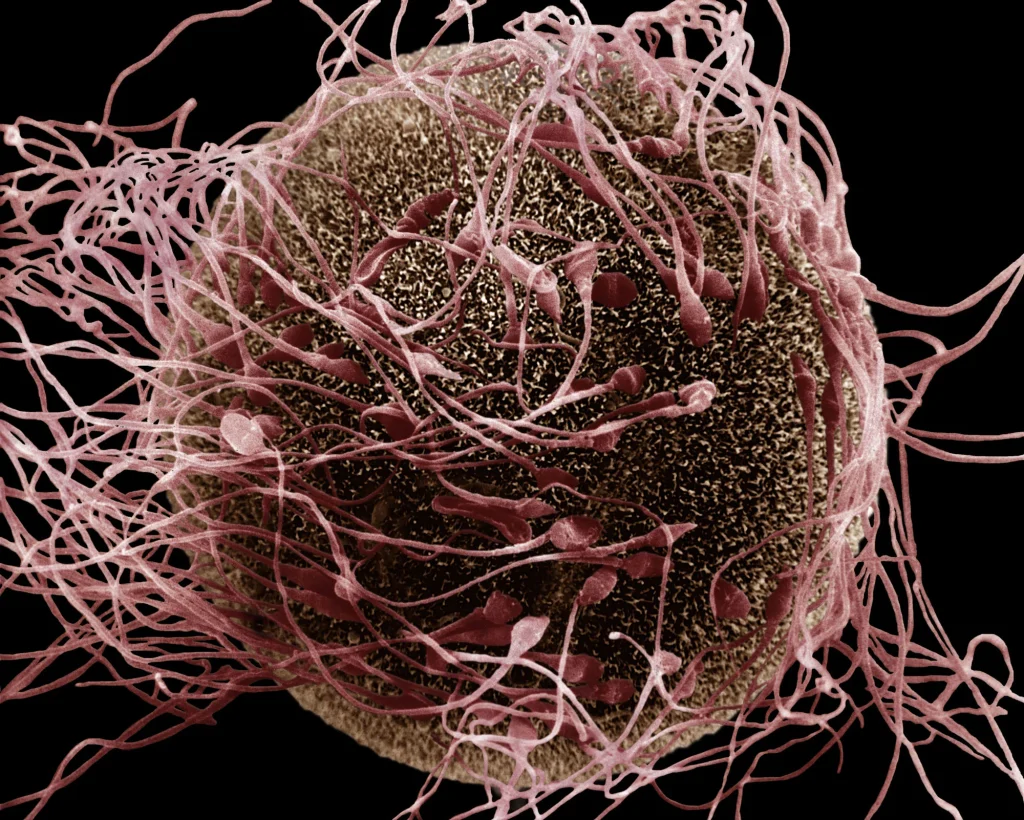
The Impact of COVID-19 on Affordable Fertility Preservation
Measures Being Taken:
To address the challenges faced by individuals and healthcare providers, various measures are being taken to ensure access to affordable fertility preservation during the pandemic. Many fertility clinics have implemented virtual consultations and appointments to continue providing services to their patients. Some clinics have also offered discounts or payment plans to make the procedures more affordable for individuals. Additionally, efforts are being made to increase the availability of necessary supplies and equipment, such as cryopreservation tanks, to minimize disruptions in fertility preservation services.
The Role of Technology:
Technology has played a crucial role in ensuring access to affordable fertility preservation during the pandemic. Virtual consultations and appointments have allowed individuals to receive guidance and support from healthcare providers without having to leave their homes. This has not only made the process more convenient but has also reduced the risk of exposure to the virus. The use of telemedicine has also enabled healthcare providers to continue monitoring and adjusting fertility treatment plans remotely, ensuring the safety and well-being of their patients.
Looking Towards the Future:
The COVID-19 pandemic has highlighted the need for accessible and affordable fertility preservation options. With the current challenges faced by individuals and healthcare providers, it is clear that there is a significant gap in access to these services. Moving forward, it is essential to address these issues and ensure that individuals who want to preserve their fertility have access to affordable options, regardless of their financial situation.
Conclusion:
In conclusion, the COVID-19 pandemic has had a significant impact on affordable fertility preservation. The lockdowns, financial strain, and safety measures have made it difficult for individuals to access these services, while also putting a strain on healthcare providers offering them. However, efforts are being made to address these challenges and ensure that individuals have access to affordable fertility preservation options during these uncertain times. Technology has played a crucial role in making these services more accessible, and it is essential to continue exploring innovative solutions to ensure that fertility preservation remains a viable option for all individuals.