The process of assisted reproduction, or using medical techniques to achieve pregnancy, has been around since the 1970s. Over the years, it has helped countless individuals and couples fulfill their dreams of having children. However, the cost of assisted reproduction can be prohibitively expensive for many people, especially those without insurance coverage. Fortunately, there is hope for the future of affordable assisted reproduction as advancements in technology and research continue to pave the way for more accessible options.
One of the most promising developments in assisted reproduction is the use of artificial intelligence (AI) in fertility treatments. AI can analyze large amounts of data and identify patterns that can improve the success rates of procedures like in vitro fertilization (IVF). By using AI, fertility specialists can tailor treatments to each individual’s unique needs, leading to more successful outcomes and potentially reducing the number of cycles needed, thus lowering costs.
Another area of innovation is the use of 3D printing technology in creating artificial reproductive organs. This could be a game-changer for individuals who have had their reproductive organs damaged or removed due to medical conditions. With 3D printing, doctors could create custom-made organs for patients, eliminating the need for donor organs and reducing the risk of rejection. This technology is still in its early stages, but it has the potential to revolutionize the field of assisted reproduction and make it more affordable for those in need.
In addition to advancements in technology, there are also ongoing efforts to make assisted reproduction more accessible and affordable through policy changes. For example, some states in the US have adopted laws that require insurance companies to cover fertility treatments, including IVF. This has made a significant difference for many individuals and couples who otherwise would not have been able to afford the high costs of assisted reproduction. As more states follow suit and implement similar policies, it is likely that the overall cost of assisted reproduction will decrease.
Another promising development in the field of assisted reproduction is the use of stem cells to create eggs and sperm. This could potentially eliminate the need for donors and increase the success rates of treatments. While this technology is still in its early stages of research, it shows immense potential for making assisted reproduction more affordable and accessible in the future.
Furthermore, advancements in genetic testing have the potential to improve the success rates of assisted reproduction while also reducing the costs. Preimplantation genetic testing (PGT) is a technique used to screen embryos for genetic disorders before they are implanted in the uterus. This can help prevent the transfer of genetically abnormal embryos, leading to higher success rates and potentially reducing the number of cycles needed, thus making the process more affordable.
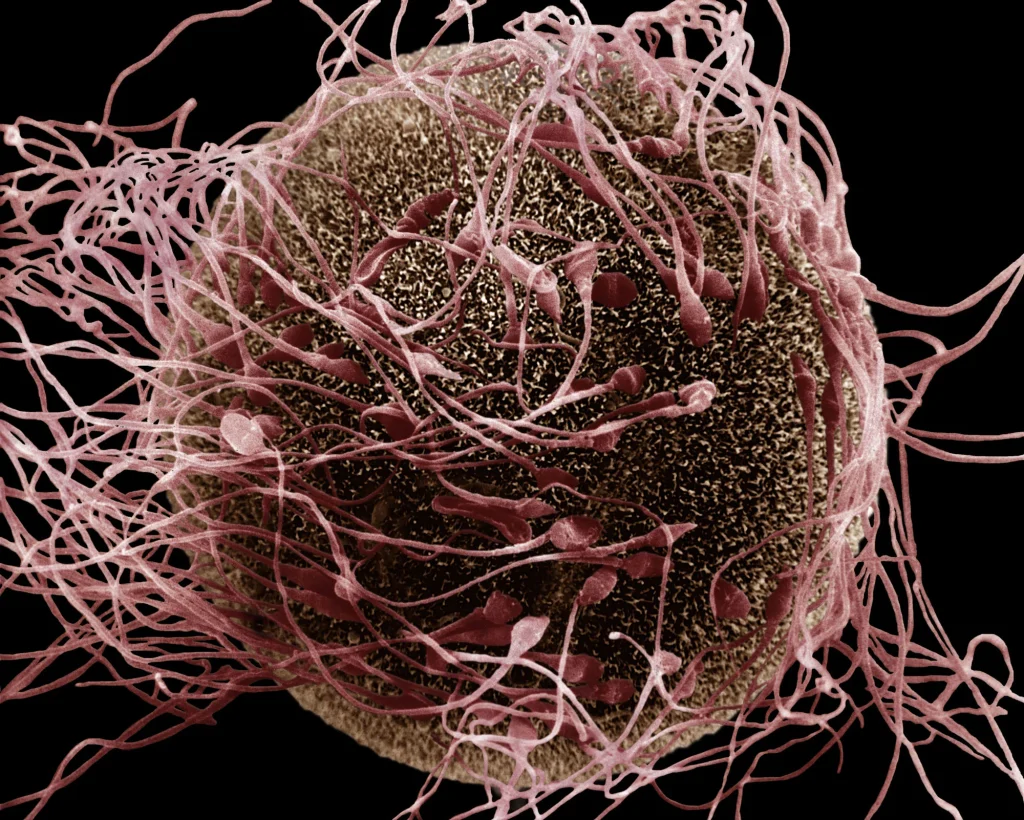
The Future of Affordable Assisted Reproduction: What's on the Horizon?
Another area of research that could have a significant impact on the future of affordable assisted reproduction is the use of gene editing technology. This technology, known as CRISPR, has the potential to correct genetic mutations and prevent the transmission of hereditary diseases. In the context of assisted reproduction, this could mean eliminating the need for costly genetic testing and increasing the chances of having a healthy child.
The rise of telemedicine has also opened up new possibilities for affordable assisted reproduction. With telemedicine, individuals and couples can consult with fertility specialists remotely, reducing the need for expensive in-person visits. This not only saves money but also makes it easier for those who live in rural areas or have limited access to fertility clinics. With the increasing use of telemedicine, it is likely that more people will have access to affordable fertility treatments in the future.
Moreover, the future of affordable assisted reproduction also lies in the development of more cost-effective and less invasive procedures. For example, mini IVF, also known as minimal stimulation IVF, uses lower doses of medication and fewer monitoring visits compared to traditional IVF. This not only reduces the overall cost of treatment but also minimizes the potential side effects and discomfort for patients.
Additionally, the use of frozen embryos has also been gaining popularity in recent years as a more affordable option for assisted reproduction. Frozen embryos can be stored and used for future cycles, eliminating the need for repeated egg retrieval procedures, which can be costly and physically taxing. This also gives individuals and couples more time to save up for the costs of treatment.
In conclusion, the future of affordable assisted reproduction looks promising, with advancements in technology, policy changes, and research efforts all working towards making it more accessible and affordable for individuals and couples. From the use of AI and 3D printing technology to policy changes and developments in genetic testing and gene editing, there are many potential avenues for reducing the cost of assisted reproduction. As these developments continue to progress, it is likely that more people will be able to fulfill their dreams of starting a family through assisted reproduction.
Summary:
The future of affordable assisted reproduction looks promising as advancements in technology, policy changes, and ongoing research efforts all work towards making it more accessible and affordable. Artificial intelligence, 3D printing, policy changes, stem cell research, genetic testing, gene editing, telemedicine, and the development of more cost-effective procedures are all contributing factors to the potential decrease in the cost of assisted reproduction in the future.