Gamete Intrafallopian Transfer (GIFT) and egg donor programs are two options available for couples who are struggling with infertility. These methods involve using donated eggs to achieve pregnancy, but there are important factors to consider before making a decision. In this blog post, we will discuss what GIFT and egg donor programs are, the pros and cons of each, and important considerations to keep in mind.
Gamete Intrafallopian Transfer (GIFT) is a fertility treatment where the sperm and eggs are combined in a lab and then placed directly into the fallopian tubes. This method allows fertilization to occur inside the body, rather than in a petri dish like in in vitro fertilization (IVF). GIFT is typically recommended for couples who have unexplained infertility or who have not been successful with other fertility treatments. However, it is not as commonly used as IVF due to its lower success rates and more invasive nature.
On the other hand, egg donor programs involve using donated eggs from a third-party donor. These eggs are fertilized with the partner’s sperm and then implanted into the woman’s uterus. This method is typically recommended for couples who have female infertility issues or same-sex male couples. The success rates for egg donor programs are higher than GIFT, but it also comes with its own set of pros and cons.
One of the main advantages of GIFT is that it allows fertilization to occur inside the body, which some couples may find to be a more natural and intimate process. It also avoids the potential ethical concerns surrounding the creation and disposal of excess embryos, which can occur with IVF. However, GIFT has a lower success rate compared to IVF and requires surgery to place the fertilized eggs into the fallopian tubes, which can be more invasive and carry some risks.
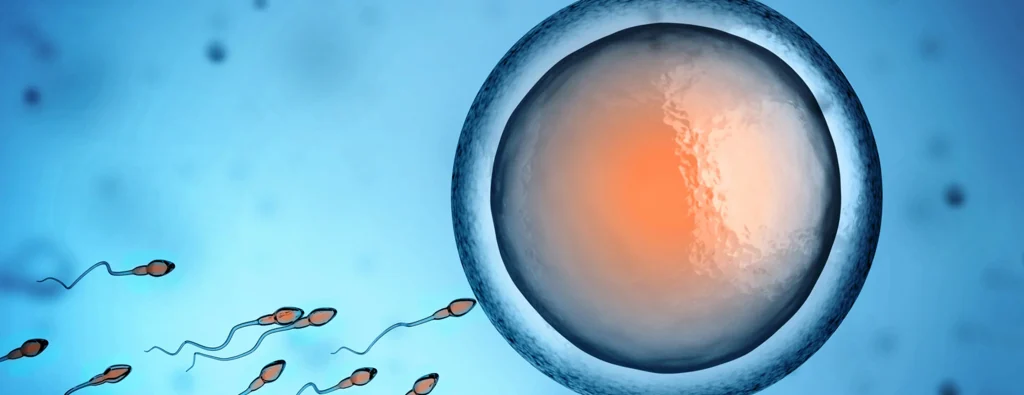
Gamete Intrafallopian Transfer and Egg Donor Programs: What to Consider
Egg donor programs, on the other hand, have a higher success rate and do not require surgery. It also allows couples to choose a donor who closely matches their desired physical and genetic characteristics. However, it can be a more expensive option and may involve a longer waiting period to find a suitable donor. There are also potential emotional and psychological challenges that come with using a donor’s eggs, such as feelings of loss or a lack of genetic connection to the child.
Before deciding on GIFT or an egg donor program, it is important to consider your personal beliefs and values, as well as the success rates and costs of each option. It is also crucial to thoroughly research and choose a reputable fertility clinic or egg donor agency. These organizations should have strict screening processes for both donors and recipients, as well as proper medical and legal protocols in place.
Another important factor to consider is the age of the donor. In GIFT, the eggs are typically retrieved from the woman’s own body, so age is not as much of a concern. However, in egg donor programs, the age of the donor can greatly impact the success of the treatment. It is generally recommended to choose a donor who is under the age of 35, as egg quality and quantity decline with age.
It is also essential to have open and honest communication with your partner throughout the process. Discussing feelings, concerns, and expectations can help ensure that you are both on the same page and ready to move forward with the chosen method.
In conclusion, GIFT and egg donor programs are two options available for couples struggling with infertility. GIFT allows fertilization to occur inside the body, while egg donor programs involve using donated eggs from a third-party donor. Each method has its own set of pros and cons, and it is important to carefully consider factors such as success rates, costs, and personal beliefs before making a decision. It is also crucial to choose a reputable fertility clinic or egg donor agency and to have open and honest communication with your partner throughout the process.