Navigating the Emotional Side of Gamete Intrafallopian Transfer
Gamete intrafallopian transfer (GIFT) is a type of assisted reproductive technology that involves placing a mixture of sperm and eggs directly into the fallopian tubes. This procedure is often chosen as an alternative to in vitro fertilization (IVF) for couples who have certain religious or personal beliefs. While GIFT can offer a glimmer of hope for couples struggling with fertility issues, it also comes with its own set of emotional challenges. In this blog post, we will explore the emotional side of GIFT and offer tips on how to navigate this journey.
Emotional Rollercoaster of GIFT
The decision to undergo GIFT is often a result of months or even years of unsuccessful attempts to conceive. This can take a toll on a couple’s emotional well-being and create a sense of desperation to have a child. However, GIFT comes with its own set of emotional challenges that can add to this already stressful situation.
The first step of GIFT involves the retrieval of eggs and sperm from the couple. This can be a physically and emotionally taxing process, as it requires multiple injections and invasive procedures. The anticipation of whether or not the eggs will be successfully fertilized can also cause anxiety and stress.
Once the eggs and sperm are mixed and placed into the fallopian tubes, the waiting game begins. This period of waiting can be emotionally draining, as the couple is constantly wondering if the procedure was successful and if they will finally become parents. If the GIFT is unsuccessful, it can lead to feelings of disappointment, grief, and frustration.
Even if the GIFT is successful and the woman becomes pregnant, the emotional rollercoaster continues. There is the fear of the pregnancy not progressing, the constant monitoring and check-ups, and the uncertainty of the baby’s health. All of these factors can take a toll on a couple’s emotional well-being and put a strain on their relationship.
Coping with the Emotional Challenges of GIFT
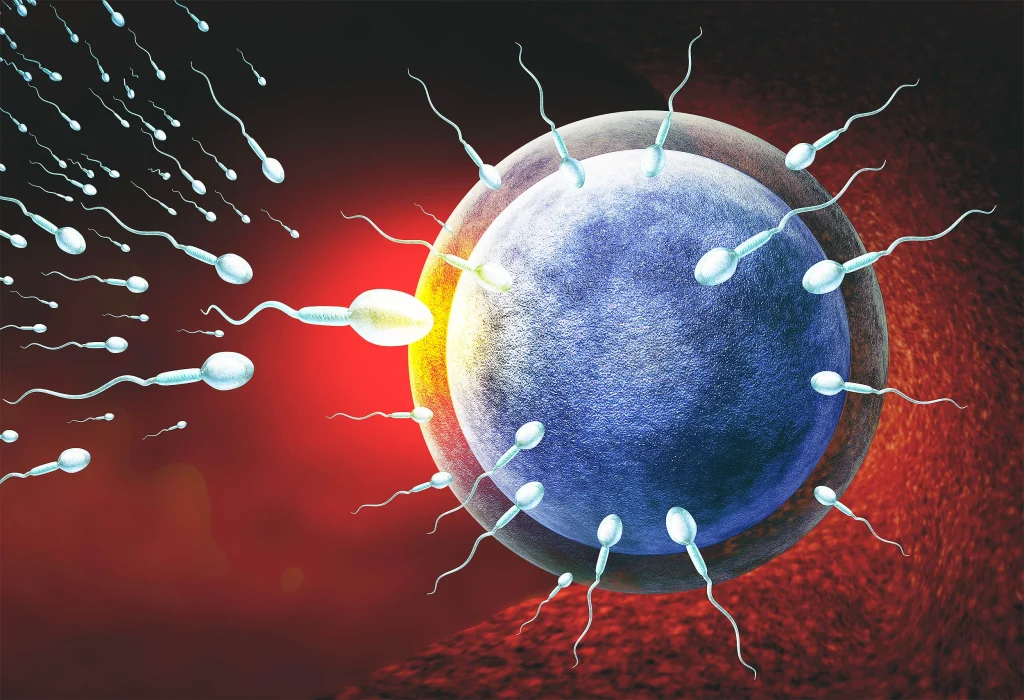
Navigating the Emotional Side of Gamete Intrafallopian Transfer
It is important for couples going through GIFT to acknowledge and address the emotional challenges they may face. Here are some tips to help navigate the emotional side of GIFT:
1. Communicate with your partner: Going through GIFT can be an overwhelming experience, and it is important for couples to communicate openly with each other. Share your fears, hopes, and concerns with your partner and offer each other emotional support.
2. Seek support: Going through GIFT can feel isolating, but it is essential to seek support from friends, family, or a support group. Talking to others who have gone through a similar experience can provide comfort and understanding.
3. Take care of your mental and physical health: The emotional stress of GIFT can take a toll on your mental and physical health. It is important to prioritize self-care and seek professional help if needed.
4. Educate yourself: Knowing what to expect during the GIFT process can help reduce anxiety and stress. Educate yourself about the procedure, success rates, and any potential risks involved.
5. Stay positive: It is easy to get caught up in negative thoughts and emotions, but it is important to stay positive and have faith in the process. Surround yourself with positive people and focus on the end goal – becoming parents.
Summary
GIFT can offer hope for couples struggling with fertility issues, but it also comes with its own set of emotional challenges. The decision to undergo GIFT is often a result of months or even years of unsuccessful attempts to conceive, creating a sense of desperation and emotional stress. The process of GIFT, from egg and sperm retrieval to the waiting period and potential pregnancy, can be a rollercoaster of emotions. To navigate the emotional side of GIFT, it is important to communicate with your partner, seek support, take care of your mental and physical health, educate yourself, and stay positive.