The Ethics of Insemination vs. IVF: A Comprehensive Comparison
In the world of reproductive medicine, two main procedures are widely used to help couples conceive: insemination and in vitro fertilization (IVF). Both methods involve assisted reproductive technology (ART), which can significantly increase the chances of pregnancy for individuals facing fertility issues. However, along with the advancements in technology, ethical concerns have also emerged regarding these procedures. This blog post will delve into the ethical implications of insemination and IVF, comparing their procedures, success rates, and potential risks.
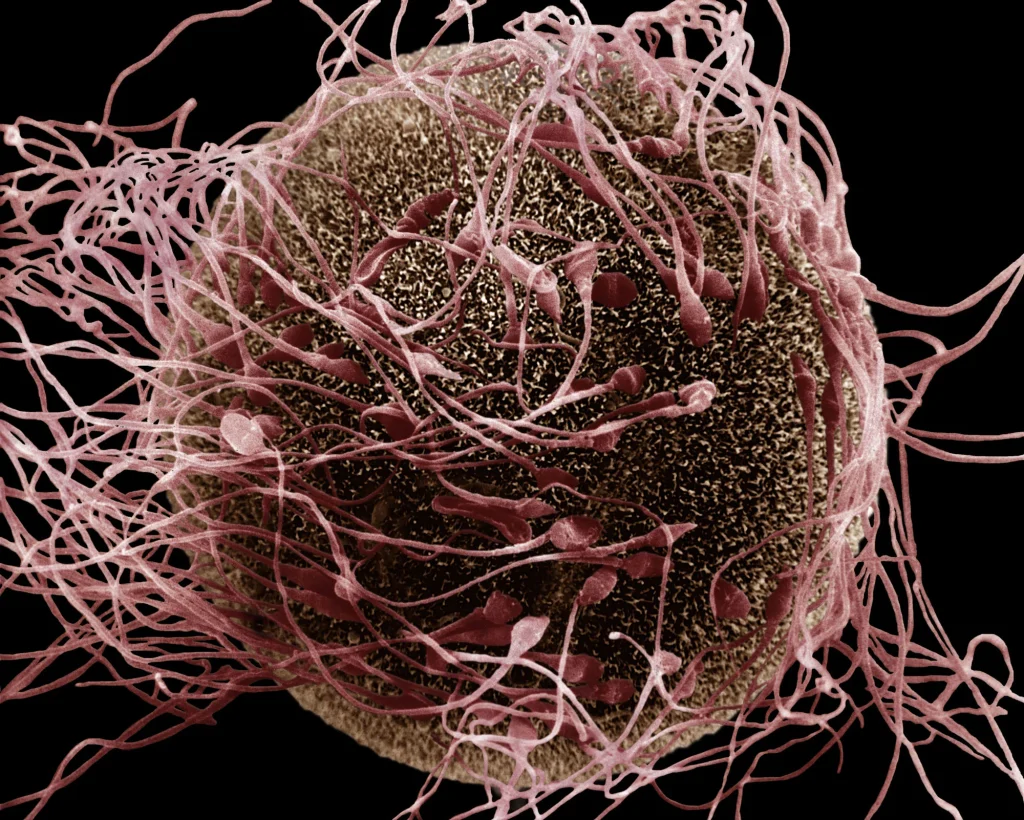
Insemination, also known as artificial insemination, is a procedure that involves placing sperm directly into the cervix, uterus, or fallopian tubes of a woman in order to fertilize the egg. This can be done using either the male partner’s sperm or a donor’s sperm. On the other hand, IVF is a more complex procedure that involves extracting eggs from the woman’s ovaries and fertilizing them with sperm in a laboratory setting. The fertilized embryos are then transferred into the woman’s uterus, where they can implant and develop into a pregnancy.
One of the major ethical concerns surrounding insemination is the use of donor sperm. In some cases, couples may choose to use donor sperm due to male factor infertility, genetic issues, or other reasons. However, the use of donor sperm raises questions about the child’s genetic makeup and the right of the child to know their biological father. This can also lead to potential psychological and emotional issues for the child in the future. In contrast, IVF bypasses these concerns as the child’s genetic makeup is determined by the biological parents.
Another ethical consideration is the use of multiple embryos in IVF. In order to increase the chances of success, multiple embryos are often created and implanted into the woman’s uterus. This can result in multiple pregnancies, which can pose health risks for both the mother and the fetuses. It also raises ethical concerns about selective reduction, where one or more embryos are terminated in order to reduce the number of fetuses. This decision can be difficult for couples and raises questions about the value of human life.
The Ethics of Insemination vs. IVF
In terms of success rates, IVF has been shown to have higher success rates compared to insemination. This is because IVF allows for the selection of the healthiest embryos for implantation, while insemination relies on the body’s natural processes to select the healthiest sperm. However, this also raises ethical concerns about the potential for eugenics, where individuals may choose to undergo IVF in order to have a “perfect” or genetically superior child.
Moreover, both insemination and IVF come with potential risks and side effects. Insemination carries a risk of infection or injury during the procedure, while IVF can lead to ovarian hyperstimulation syndrome, which can cause discomfort and bloating. There is also a risk of multiple pregnancies with IVF, as well as the potential for birth defects in children conceived through ART.
Aside from the ethical implications for the procedures themselves, there are also concerns about the accessibility and affordability of insemination and IVF. These procedures can be expensive and are not always covered by insurance, making them inaccessible for some couples. This raises questions about the fairness and equity of reproductive options for individuals who want to have children but cannot afford these procedures.
In conclusion, both insemination and IVF have their own ethical considerations that must be taken into account. While insemination may raise concerns about the use of donor sperm and the child’s right to know their biological father, IVF raises concerns about the use of multiple embryos, eugenics, and the potential for birth defects. It is important for couples to carefully consider these ethical implications and have open and honest discussions with their healthcare providers before deciding on a reproductive procedure.
Summary: Insemination and IVF are two commonly used assisted reproductive technology procedures to help couples conceive. While both have their own benefits and risks, there are also ethical considerations to take into account. These include the use of donor sperm, the potential for multiple pregnancies, eugenics, and the accessibility and affordability of these procedures.