Understanding the Process: Insemination vs. IVF
When it comes to fertility treatments, there are many options available for couples struggling to conceive. Two of the most commonly used methods are insemination and in vitro fertilization (IVF). While both procedures involve the fertilization of an egg with sperm, they differ in their process and success rates. In this blog post, we will explore the differences between insemination and IVF, how they work, and which option may be best for you.
What is Insemination?
Insemination, also known as artificial insemination, is a procedure in which sperm is placed directly into a woman’s uterus or cervix during ovulation. This can be done with the partner’s sperm or donor sperm. The goal of insemination is to increase the chances of fertilization by bringing the sperm closer to the egg.
The Process of Insemination
Insemination is a relatively simple procedure that can be done at a fertility clinic or at home with a doctor’s guidance. Before the procedure, the woman may undergo fertility testing to determine if she is ovulating regularly and if her fallopian tubes are open. The male partner may also undergo a semen analysis to ensure that there are enough healthy sperm for the procedure.
On the day of insemination, the sperm is prepared and washed in a laboratory to remove any debris or dead sperm. The prepared sperm is then inserted directly into the woman’s uterus or cervix using a thin catheter. This process can be done either during natural ovulation or with the use of fertility drugs to stimulate ovulation.
Success Rates of Insemination
The success rates of insemination can vary depending on factors such as age, overall health, and the underlying cause of infertility. On average, the success rate is around 20% per cycle. However, with the use of fertility drugs and multiple insemination cycles, the success rate can increase up to 60%. Insemination is often recommended for couples with unexplained infertility, mild male factor infertility, or single women wanting to conceive with donor sperm.
What is IVF?
Understanding the Process: Insemination vs. IVF
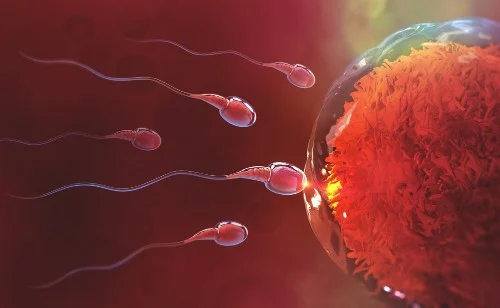
In vitro fertilization, or IVF, is a more complex fertility treatment that involves the fertilization of an egg and sperm outside of the body. This is done in a laboratory setting and the resulting embryo is then transferred into the woman’s uterus for implantation. IVF is often recommended for couples who have been unsuccessful with other fertility treatments or have more severe infertility issues.
The Process of IVF
The IVF process begins with the woman undergoing fertility testing and taking fertility drugs to stimulate the production of multiple eggs. Once the eggs are ready, they are retrieved from the ovaries using a needle guided by ultrasound. The eggs are then fertilized with sperm in a laboratory dish and monitored for growth. After a few days, one or more embryos are selected for transfer into the woman’s uterus.
The implantation of the embryo(s) is usually done 3-5 days after fertilization, and the woman may continue taking fertility drugs to support the pregnancy. Any extra embryos can be frozen for future use. A pregnancy test is done about two weeks after the embryo transfer to determine if the procedure was successful.
Success Rates of IVF
The success rates of IVF can vary greatly depending on factors such as age, underlying cause of infertility, and the quality of the sperm and eggs. On average, the success rate for IVF is around 40% for women under 35. However, this rate decreases with age and other factors. With the use of advanced techniques such as intracytoplasmic sperm injection (ICSI) and preimplantation genetic testing (PGT), the success rates can increase up to 70%.
Which Option is Best for You?
Insemination and IVF are both effective fertility treatments, but they are recommended for different situations. Insemination is often the first choice for couples with unexplained infertility or mild male factor infertility. It is also a more affordable and less invasive option compared to IVF. On the other hand, IVF is recommended for couples with more severe infertility issues or for women with age-related infertility. It also has a higher success rate and allows for the use of advanced techniques to increase the chances of a successful pregnancy.
In conclusion, both insemination and IVF are viable options for couples struggling with infertility. They both involve the fertilization of an egg with sperm, but differ in their processes and success rates. It is important to consult with a fertility specialist to determine which option is best for your specific situation.
Summary:
Insemination and IVF are two commonly used fertility treatments for couples struggling with infertility. Insemination involves the placement of sperm directly into the woman’s uterus or cervix during ovulation, while IVF involves the fertilization of an egg and sperm outside of the body. Insemination is recommended for milder cases of infertility, while IVF is often used for more severe cases. Both procedures have varying success rates and it is important to consult with a fertility specialist to determine which option is best for you.