Blog post:
Endometriosis is a common, yet often misunderstood condition that affects millions of women worldwide. It occurs when the tissue that lines the uterus, known as the endometrium, grows outside of the uterus and attaches to other organs such as the ovaries, fallopian tubes, and even the bladder and bowels. This abnormal growth can cause a range of symptoms, including severe pelvic pain, heavy and irregular periods, and infertility.
For women who are struggling with endometriosis and also trying to conceive, the road to pregnancy can be a difficult and emotionally draining one. Luckily, advancements in fertility procedures and treatments have provided hope and relief for those facing this challenge. In this blog post, we will explore the connection between endometriosis and fertility, the various fertility procedures available, and how they can help women with endometriosis find relief and achieve their dreams of starting a family.
Understanding the Link Between Endometriosis and Fertility
Endometriosis can have a significant impact on a woman’s fertility. The abnormal growth of endometrial tissue can cause scarring, inflammation, and damage to the reproductive organs, making it difficult for sperm to reach the egg and for a fertilized egg to implant in the uterus. In severe cases, endometriosis can also lead to the formation of ovarian cysts, which can further hinder fertility.
Furthermore, endometriosis can also affect the quality of a woman’s eggs, reducing the chances of successful fertilization and implantation. This condition can also cause hormonal imbalances, which can disrupt ovulation and make it challenging to conceive.
Fertility Procedures for Women with Endometriosis
Thankfully, there are various fertility procedures and treatments available to help women with endometriosis improve their chances of getting pregnant. These procedures can also provide much-needed relief from the symptoms of endometriosis, making the journey towards pregnancy a more comfortable one. Some of the most common fertility procedures used for women with endometriosis include:
1. Laparoscopy
Laparoscopy is a minimally invasive surgical procedure that involves making small incisions in the abdomen to remove endometrial tissue and ovarian cysts. This procedure can help to reduce scarring, inflammation, and other structural issues that may be hindering fertility. It is also a useful tool for diagnosing endometriosis and determining the severity of the condition. In some cases, laparoscopy can also improve the chances of natural conception.
2. In Vitro Fertilization (IVF)
In vitro fertilization, or IVF, is a fertility treatment that involves fertilizing an egg with sperm in a laboratory and then transferring the fertilized embryo back into the uterus. This procedure bypasses the fallopian tubes, making it an effective option for women with endometriosis, as the damaged tubes may hinder natural conception. IVF can also help improve the chances of successful implantation, even in women with severe endometriosis.
3. Intrauterine Insemination (IUI)
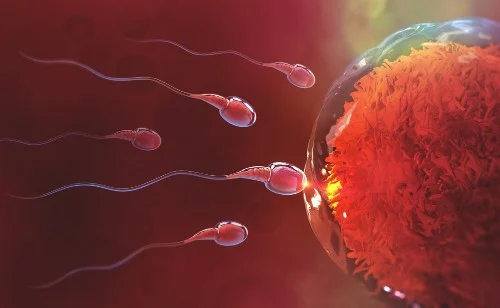
Fertility Procedures and Endometriosis: Finding Relief and Fertility Solutions
Intrauterine insemination, or IUI, is a procedure that involves placing sperm directly into the uterus using a thin catheter. This method can help improve the chances of conception, especially for women with mild endometriosis. It is often used in conjunction with fertility drugs to stimulate ovulation and increase the number of eggs released.
4. Fertility Drugs
Fertility drugs, such as clomiphene citrate and letrozole, can help stimulate ovulation in women with endometriosis. These medications work by regulating the hormones responsible for ovulation and can improve the chances of conceiving naturally or through other fertility procedures.
Finding Relief and Fertility Solutions
Apart from the various fertility procedures mentioned above, there are also other ways that women with endometriosis can find relief and improve their fertility. These include:
1. Pain Management
Managing the symptoms of endometriosis is crucial for improving fertility and overall quality of life. Over-the-counter pain relievers, such as ibuprofen and acetaminophen, can help alleviate cramping and pelvic pain. In more severe cases, your doctor may prescribe stronger pain medications or hormone therapy to help reduce the symptoms.
2. Lifestyle Changes
Making lifestyle changes, such as maintaining a healthy weight, exercising regularly, and eating a well-balanced diet, can help improve fertility in women with endometriosis. Reducing stress levels can also be beneficial, as stress can worsen endometriosis symptoms and make it more challenging to conceive.
3. Alternative Therapies
Alternative therapies such as acupuncture, yoga, and meditation have shown promising results in managing the symptoms of endometriosis and improving fertility. These therapies can help reduce stress, regulate hormones, and improve blood flow to the reproductive organs.
Summary:
Endometriosis is a common condition that can have a significant impact on a woman’s fertility. However, with the help of various fertility procedures and treatments, women with endometriosis can find relief and improve their chances of getting pregnant. These procedures include laparoscopy, IVF, IUI, and fertility drugs. Additionally, managing symptoms, making lifestyle changes, and trying alternative therapies can also help in finding relief and improving fertility.