Navigating the Journey of Female Infertility: A Personal Story
Infertility is a topic that is often shrouded in secrecy and shame, especially when it comes to female infertility. Many women struggle silently with the pain and frustration of being unable to conceive, and often feel isolated and alone in their journey. As someone who has personally experienced the challenges of female infertility, I want to share my story and offer advice and support for other women who may be going through a similar journey.
My journey with infertility began when my husband and I decided to start a family. We were excited and hopeful, but after months of trying without success, we began to worry that something was wrong. We went to see a fertility specialist and were both shocked and devastated to learn that I had a condition called Polycystic Ovary Syndrome (PCOS), which was the cause of our infertility.
At first, I felt a mix of emotions – anger, sadness, and confusion. I couldn’t understand why this was happening to me and why my body seemed to be failing me. But as I started to learn more about PCOS and infertility, I realized that I was not alone. In fact, according to the Centers for Disease Control and Prevention, about 12% of women in the United States have trouble getting pregnant or carrying a pregnancy to term.
One of the biggest challenges I faced was the emotional toll that infertility took on me. It’s hard to describe the feeling of disappointment and heartache that comes with each negative pregnancy test. The constant hope followed by crushing disappointment can be overwhelming. I also struggled with feelings of guilt and inadequacy, as if my body was somehow betraying me. It took a toll on my mental health and my relationships, as I often withdrew from friends and family who seemed to be getting pregnant with ease.
Another challenge was navigating the medical system and the various treatments available for infertility. There are so many options, from medications to intrauterine insemination (IUI) to in vitro fertilization (IVF). It was overwhelming and intimidating to have to make decisions about my body and my future without knowing for sure if any of these treatments would work. And to make matters worse, many of these treatments are expensive and not covered by insurance, making it even more difficult to access the help we needed.
But despite all of these challenges, I refused to give up hope. I was determined to become a mother, and I was willing to do whatever it takes to make that dream a reality. My husband and I decided to pursue IVF, and after two rounds of treatment, we were finally blessed with a positive pregnancy test. It was a moment I will never forget – the overwhelming joy and relief that washed over us was indescribable.
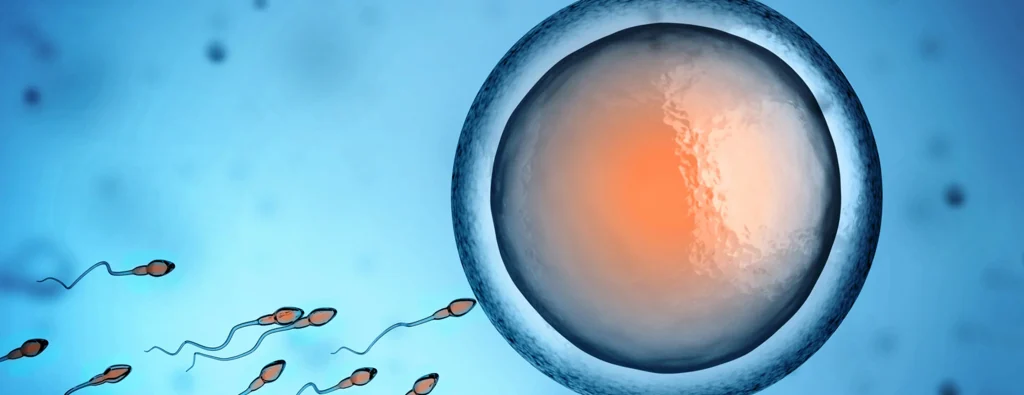
Navigating the Journey of Female Infertility: A Personal Story
But my journey with infertility did not end there. I experienced a miscarriage early in my pregnancy, which was devastating. However, we didn’t give up, and eventually, we were able to welcome our beautiful daughter into the world through the miracle of IVF.
Through this entire journey, I learned a lot about myself and about infertility. And now, as a mother and a fertility advocate, I want to share some advice for other women who may be struggling with female infertility.
First and foremost, it’s important to know that it’s okay to feel all of the emotions that come with infertility. It’s normal to feel angry, sad, and frustrated. Allow yourself to feel these emotions and find healthy ways to cope with them, whether it’s talking to a therapist, journaling, or finding a support group of other women who understand what you’re going through.
Secondly, don’t be afraid to seek help and support. Infertility can be a lonely journey, and it’s important to have a strong support system. Lean on your partner, friends, and family for emotional support, and don’t hesitate to seek professional help if needed.
It’s also important to be your own advocate. Do your research, ask questions, and don’t be afraid to speak up for yourself and your needs. Infertility treatments can be overwhelming and confusing, but by educating yourself and advocating for yourself, you can make more informed decisions about your treatment.
Finally, never give up hope. I know firsthand how difficult it can be to stay positive during the ups and downs of infertility, but it’s important to keep believing that your dream of becoming a parent can come true. Whether it’s through medical treatments or alternative paths like adoption or surrogacy, there are many ways to build a family, and there is always hope.
In conclusion, female infertility is a challenging and emotional journey, but it’s a journey that many women have successfully navigated. By sharing my personal story and offering advice and support, I hope to break the silence and stigma surrounding this topic and provide comfort and guidance for other women who may be struggling with infertility. Remember, you are not alone, and there is always hope for a happy ending.