Blog Post: The Truth About Female Infertility: Causes and Solutions
Infertility is a topic that is often associated with women, and for good reason. According to the World Health Organization, approximately 10% of women worldwide struggle with infertility. This means that millions of women are facing the harsh reality of not being able to conceive a child, despite their desire to do so. However, the topic of female infertility is often shrouded in misconception and stigma, making it difficult for women to understand the causes and find solutions. In this blog post, we will delve into the truth about female infertility, its causes, and possible solutions for women who are struggling to conceive.
What is Female Infertility?
Infertility is defined as the inability to conceive a child after one year of trying to conceive. When it comes to female infertility, there are two main types: primary and secondary. Primary infertility occurs when a woman has never been able to conceive, while secondary infertility refers to the inability to conceive after already having one or more children. Both types of infertility can be equally devastating to a woman and her partner, and can have a significant impact on their mental and emotional well-being.
Causes of Female Infertility
There are many factors that can contribute to female infertility, and they can be both physiological and psychological in nature. Some of the most common causes of female infertility include:
1. Ovulation Disorders
Ovulation disorders are one of the leading causes of female infertility. These disorders can prevent the ovaries from releasing eggs, making it difficult for a woman to conceive. Some common ovulation disorders include polycystic ovary syndrome (PCOS), hypothalamic dysfunction, and premature ovarian failure.
2. Age
A woman’s age can also play a significant role in her fertility. As women age, the quality and quantity of their eggs decrease, making it more challenging to conceive. According to the American Society for Reproductive Medicine, a woman’s fertility starts to decline in her early 30s and drops significantly after the age of 37.
3. Fallopian Tube Damage or Blockage
Damage or blockage in the fallopian tubes can prevent the sperm from reaching the egg and also prevent the fertilized egg from reaching the uterus. This can be caused by conditions such as pelvic inflammatory disease, endometriosis, or previous surgeries.
4. Uterine or Cervical Abnormalities
Abnormalities in the uterus or cervix can also contribute to female infertility. These abnormalities can be structural, such as an abnormally shaped uterus, or functional, such as the presence of cervical mucus that is hostile to sperm.
5. Endometriosis
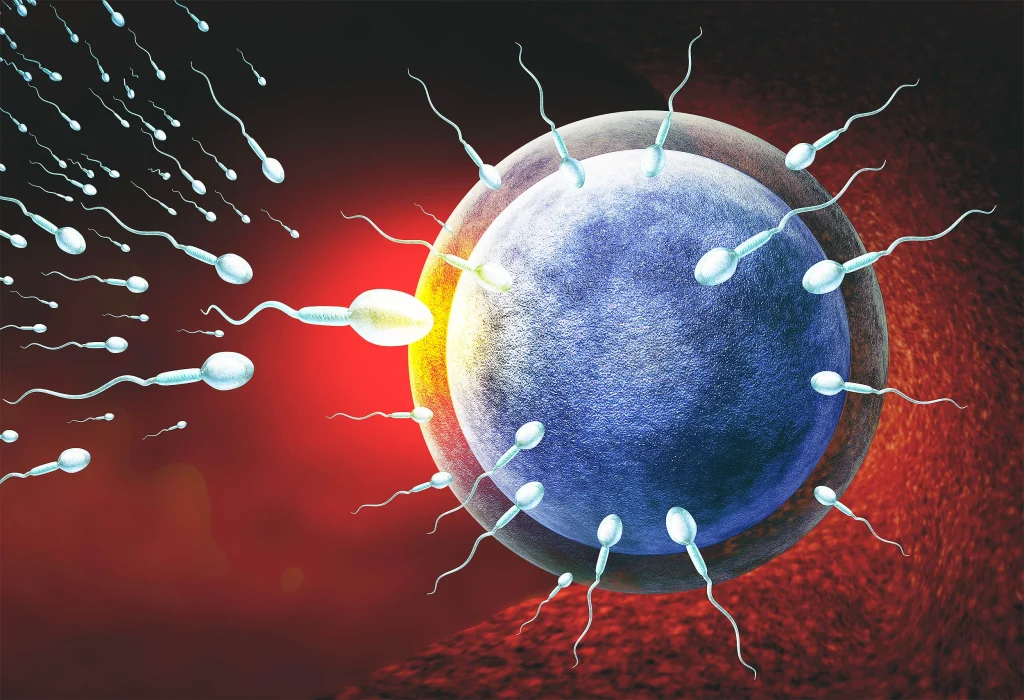
The Truth About Female Infertility: Causes and Solutions
Endometriosis is a condition in which the tissue that lines the uterus grows outside of it, causing inflammation and scarring. This can lead to fertility problems by affecting the function of the ovaries, eggs, and fallopian tubes.
Solutions for Female Infertility
While infertility can feel like a hopeless situation, there are several options available for women who are struggling to conceive. These include:
1. Fertility Treatments
Fertility treatments such as in vitro fertilization (IVF), intrauterine insemination (IUI), and ovulation induction can help women with ovulation disorders achieve pregnancy. These treatments involve using fertility drugs to stimulate ovulation, and in some cases, fertilizing the eggs with sperm in a lab before implanting them into the uterus.
2. Surgery
In cases where there are structural abnormalities in the reproductive organs, surgery may be recommended to correct the issue. This could involve removing scar tissue, correcting an abnormally shaped uterus, or repairing damaged fallopian tubes.
3. Lifestyle Changes
In some cases, simple lifestyle changes can improve a woman’s chances of conceiving. These changes may include maintaining a healthy weight, quitting smoking, reducing alcohol intake, and managing stress levels.
4. Donor Eggs or Sperm
For women who cannot produce their own eggs, using donor eggs or sperm may be an option. This can be a viable solution for women with ovarian failure or those who struggle with recurrent miscarriages.
5. Adoption
For some women, adoption may be the best option for starting a family. While it may not be the path they initially envisioned, adoption can be a fulfilling and rewarding way to become a parent.
In conclusion, female infertility is a widespread issue that affects millions of women worldwide. While it can be a challenging and emotionally taxing journey, it’s essential for women to understand that they are not alone and that there are solutions available. By seeking support from healthcare professionals and loved ones, women can navigate the complexities of infertility and find the best path towards fulfilling their dreams of parenthood.
Summary: Infertility is a common issue that affects 10% of women worldwide. There are two types of female infertility: primary and secondary. Some common causes of female infertility include ovulation disorders, age, fallopian tube damage, uterine or cervical abnormalities, and endometriosis. Solutions for female infertility include fertility treatments, surgery, lifestyle changes, using donor eggs or sperm, and adoption.