Blog Post Title: The Link Between Male Infertility and Vasectomy Reversal
Male infertility is a common issue that affects many couples trying to conceive. While there can be various causes for male infertility, one factor that often gets overlooked is a previous vasectomy. In fact, studies have shown that a vasectomy can increase the risk of male infertility. However, there is hope for couples facing this issue through a procedure called vasectomy reversal. In this blog post, we will explore the connection between male infertility and vasectomy reversal, and how this procedure can help couples achieve their dream of parenthood.
Understanding Male Infertility
Before we dive into the connection between male infertility and vasectomy reversal, it is important to understand what male infertility is and what causes it. Male infertility refers to the inability of a man to impregnate a woman after a year of trying to conceive. It can be caused by various factors, including low sperm count, poor sperm motility, or structural issues in the reproductive organs.
One of the common causes of male infertility is a previous vasectomy. A vasectomy is a surgical procedure that involves cutting or blocking the vas deferens, the tubes that carry sperm from the testicles to the urethra. This prevents sperm from entering the semen, resulting in a man being unable to impregnate a woman. While vasectomies are considered a permanent form of birth control, they can be reversed through a procedure called vasectomy reversal.
The Link Between Vasectomy and Male Infertility
Several studies have shown a link between vasectomy and male infertility. One study published in the American Journal of Epidemiology found that men who had a vasectomy were 1.6 times more likely to have difficulty conceiving compared to men who did not have a vasectomy. This is because a vasectomy can cause a blockage in the vas deferens, leading to a decrease in the number of sperm or a complete absence of sperm in the semen.
Another study published in the journal Urology found that men who had a vasectomy had lower levels of testosterone, a hormone that is crucial for sperm production. This can also contribute to male infertility as the body needs adequate levels of testosterone to produce healthy sperm.
Vasectomy Reversal: A Solution for Male Infertility
For couples facing male infertility due to a previous vasectomy, vasectomy reversal offers a glimmer of hope. This procedure involves reconnecting the vas deferens to allow sperm to once again be present in the semen. There are two types of vasectomy reversal procedures: vasovasostomy and vasoepididymostomy.
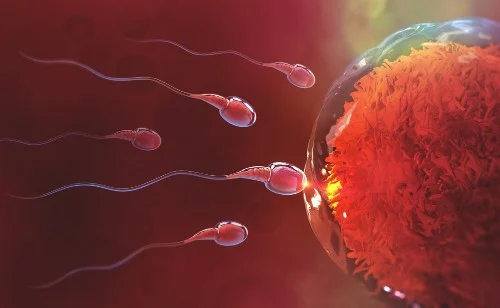
The Connection Between Male Infertility and Vasectomy Reversal
Vasovasostomy is the most common type of vasectomy reversal and involves reconnecting the cut ends of the vas deferens. This procedure is suitable for men who have had a recent vasectomy or have a good amount of healthy sperm in their testicles.
On the other hand, vasoepididymostomy is a more complex procedure that involves connecting the vas deferens to the epididymis, the tube where sperm mature. This procedure is recommended for men who have had a vasectomy for a longer period of time or have a blockage in their vas deferens.
Success Rates of Vasectomy Reversal
The success rates of vasectomy reversal vary depending on various factors such as the type of procedure, the time since the vasectomy, and the overall health of the man. Generally, vasectomy reversals have a success rate of 40-90%, with higher success rates seen in men who had a vasectomy less than 10 years ago.
It is important to note that vasectomy reversal does not guarantee pregnancy, and other factors such as female fertility also play a role in the success of conception. It is recommended for couples to consult with a fertility specialist to determine the best course of action for their specific situation.
In addition, it is crucial for men to undergo a semen analysis after a vasectomy reversal to ensure that the procedure was successful and sperm is present in the semen. This can also help determine the next steps in the fertility journey.
Conclusion
Male infertility is a common issue that can be caused by various factors, including a previous vasectomy. However, through vasectomy reversal, couples can increase their chances of conceiving and starting a family. With advancements in technology and techniques, this procedure has become more successful, giving hope to many couples struggling with male infertility.
If you or your partner have had a vasectomy and are facing difficulties conceiving, consider consulting with a fertility specialist to explore the option of vasectomy reversal. It could be the key to fulfilling your dream of parenthood.
Summary:
Male infertility is a common issue that can be caused by various factors, including a previous vasectomy. Studies have shown a link between vasectomy and male infertility, and it is estimated that men who have had a vasectomy are 1.6 times more likely to face difficulties conceiving. However, there is hope for couples facing this issue through a procedure called vasectomy reversal. This procedure involves reconnecting the vas deferens and has a success rate of 40-90%. If you or your partner have had a vasectomy and are struggling to conceive, consider consulting with a fertility specialist to explore the option of vasectomy reversal.