Blog Post: The Connection Between Ovarian Stimulation and IVF Success Rates
In vitro fertilization (IVF) is a well-known and widely used fertility treatment that involves combining an egg and sperm in a laboratory dish and then transferring the resulting embryo into the woman’s uterus. While IVF has helped many couples successfully conceive, it is not always a guaranteed process. One crucial factor that can greatly impact the success of IVF is the process of ovarian stimulation. In this blog post, we will explore the connection between ovarian stimulation and IVF success rates.
What is Ovarian Stimulation?
Ovarian stimulation is a vital part of the IVF process, as it involves using medications to stimulate the ovaries to produce multiple mature eggs. This is necessary because in a natural menstrual cycle, a woman typically only produces one egg per month. However, in IVF, the goal is to retrieve multiple eggs to increase the chances of success.
The Ovarian Stimulation Process
The ovarian stimulation process begins with the use of fertility drugs, known as gonadotropins, to stimulate the ovaries to produce multiple follicles (fluid-filled sacs that contain the eggs). These drugs are usually given in the form of injections and are carefully monitored by the fertility specialist through regular ultrasounds and blood tests.
Once the follicles have reached a certain size and the hormone levels are optimal, a trigger shot of human chorionic gonadotropin (hCG) is given to induce the final maturation of the eggs. Approximately 36 hours after the trigger shot, the eggs are retrieved through a minor surgical procedure.
The Importance of Ovarian Stimulation in IVF Success Rates
The success of IVF greatly depends on the number and quality of eggs retrieved. Ovarian stimulation plays a crucial role in this as it allows for the production of multiple mature eggs, increasing the chances of fertilization and embryo development. The more eggs retrieved, the higher the chances of obtaining a good quality embryo for transfer.
Studies have shown that the number of eggs retrieved during IVF is directly correlated with the success rates. A higher number of eggs retrieved can result in a higher number of embryos for transfer and potential freezing for future use. This is especially important for women with diminished ovarian reserve or advanced maternal age, as they may have a lower number of eggs available for retrieval.
Additionally, ovarian stimulation also allows for the selection of the best quality eggs. Fertility specialists can use ultrasound and hormone monitoring to assess the growth and development of the follicles, which can indicate the health and maturity of the eggs. This can help in selecting the best eggs for fertilization, leading to better embryo quality and ultimately, higher success rates.
Risks and Side Effects of Ovarian Stimulation
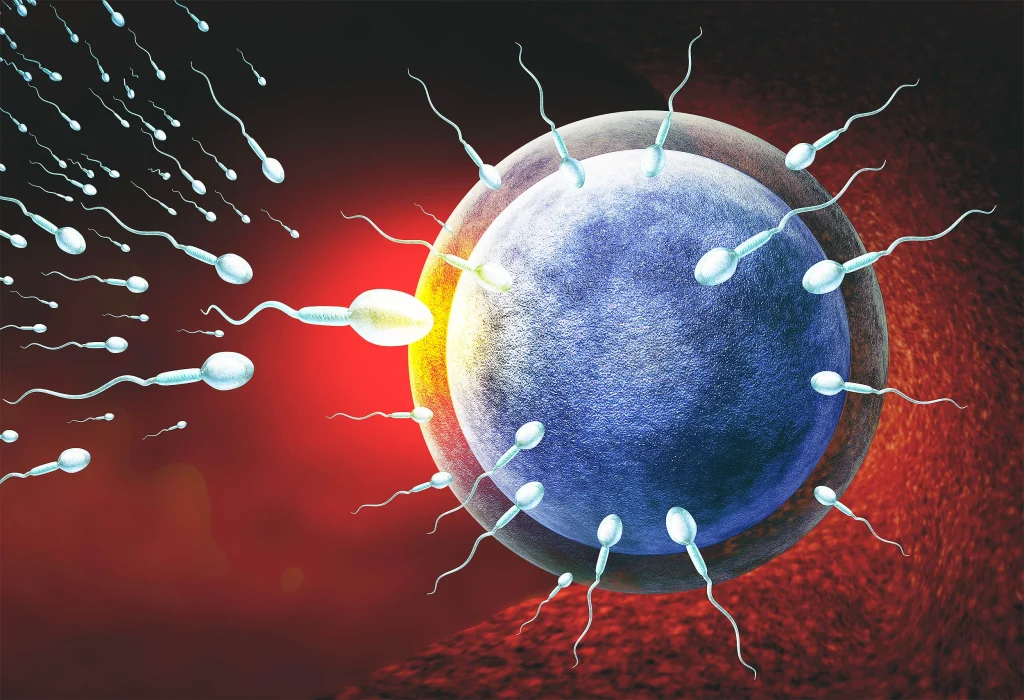
The Connection Between Ovarian Stimulation and IVF Success Rates
While ovarian stimulation is an essential part of IVF, it does come with some risks and side effects. The most common side effects include bloating, breast tenderness, mood swings, and headaches. In rare cases, ovarian hyperstimulation syndrome (OHSS) can occur, which is a potentially dangerous condition that causes the ovaries to become swollen and painful.
It is crucial for fertility specialists to carefully monitor the ovarian stimulation process to minimize the risk of side effects and OHSS. The dosage and timing of the medications are adjusted based on the individual response of each patient to ensure the best results.
Factors Affecting Ovarian Stimulation and IVF Success Rates
While ovarian stimulation is a crucial factor in IVF success rates, there are other factors that can also affect the outcome. These include:
1. Age: As a woman ages, her ovarian reserve (the number of eggs she has) decreases, making it more difficult to produce multiple eggs for retrieval. This can impact the success of IVF.
2. Response to medications: Each woman’s body responds differently to fertility medications, and this can affect the number and quality of eggs retrieved.
3. Fertility diagnosis: The underlying cause of infertility can also impact the success of IVF. Women with certain fertility issues, such as polycystic ovary syndrome (PCOS), may have a higher response to ovarian stimulation, resulting in a higher number of eggs retrieved.
4. Lifestyle factors: Smoking, excessive alcohol consumption, and obesity can all negatively impact fertility and the success of IVF.
Final Thoughts
Ovarian stimulation is a crucial step in the IVF process and can greatly impact the success rates. It allows for the production of multiple mature eggs, which increases the chances of obtaining good quality embryos for transfer. However, it is essential to carefully monitor the process to minimize the risks and side effects. Other factors such as age, response to medications, and overall health can also affect the success of IVF. Consulting with a fertility specialist and following their recommendations can greatly improve the chances of a successful IVF cycle.
Summary:
In vitro fertilization (IVF) is a fertility treatment that involves combining an egg and sperm in a laboratory dish and then transferring the resulting embryo into the woman’s uterus. A crucial part of this process is ovarian stimulation, which involves using medications to stimulate the ovaries to produce multiple mature eggs. The number and quality of eggs retrieved during IVF greatly impact the success rates, making ovarian stimulation a vital factor. Factors such as age, response to medications, and overall health can also affect the outcome of IVF. Careful monitoring and following the recommendations of a fertility specialist can greatly improve the chances of a successful IVF cycle.