Blog Post Title: Understanding Ovarian Stimulation and its Impact on Polycystic Ovary Syndrome
Polycystic Ovary Syndrome (PCOS) is a common hormonal disorder that affects women of reproductive age. It is characterized by irregular periods, excess androgen levels, and the formation of cysts on the ovaries. One of the main treatments for PCOS is ovarian stimulation, a process that involves the use of medications to stimulate the ovaries to produce multiple eggs for ovulation. In this blog post, we will explore the concept of ovarian stimulation and its impact on PCOS.
What is Ovarian Stimulation?
Ovarian stimulation is a process that is commonly used in fertility treatments such as in-vitro fertilization (IVF) and intrauterine insemination (IUI). It involves the use of medications to stimulate the ovaries to produce multiple eggs for ovulation. This is done in order to increase the chances of pregnancy.
The medications used for ovarian stimulation are known as fertility drugs and they work by mimicking the natural hormones in the body that are responsible for ovulation. These drugs can be administered through injections, oral pills, or nasal sprays, and the dosage and duration of treatment vary depending on the individual’s condition and response to the medications.
How does Ovarian Stimulation Impact PCOS?
PCOS is a complex condition that is still not fully understood. However, research has shown that women with PCOS often have an imbalance of hormones that affect their menstrual cycle and ovulation. Ovarian stimulation can help regulate the menstrual cycle and promote ovulation, which can be beneficial for women with PCOS.
One of the main benefits of ovarian stimulation for women with PCOS is the regulation of menstrual cycles. Many women with PCOS experience irregular or absent periods, which can make it difficult to predict ovulation and plan for pregnancy. Ovarian stimulation can help regulate the menstrual cycle, making it easier to predict ovulation and increase the chances of pregnancy.
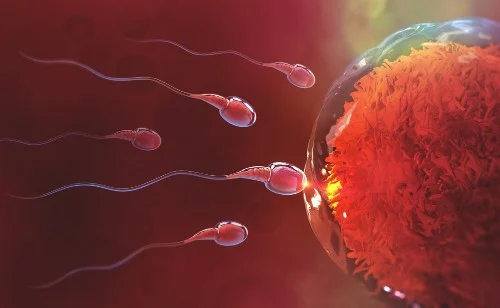
Ovarian Stimulation and Its Impact on Polycystic Ovary Syndrome
Ovarian stimulation also helps to promote ovulation in women with PCOS. As mentioned earlier, PCOS is characterized by excess androgen levels, which can interfere with ovulation. The medications used in ovarian stimulation can help suppress the production of androgens and stimulate the ovaries to produce eggs, increasing the chances of pregnancy.
In addition, ovarian stimulation can help improve the quality of eggs in women with PCOS. Women with PCOS often have a higher number of immature eggs, which can affect the success of fertility treatments. Ovarian stimulation promotes the development of multiple eggs, increasing the chances of retrieving mature and healthy eggs for fertilization.
Challenges of Ovarian Stimulation for Women with PCOS
While ovarian stimulation can be beneficial for women with PCOS, it also comes with its own set of challenges. One of the main concerns is the risk of ovarian hyperstimulation syndrome (OHSS). OHSS is a potentially serious condition that can occur when the ovaries are overstimulated and produce too many eggs. This can lead to symptoms such as bloating, abdominal pain, and in severe cases, fluid accumulation in the chest and abdomen.
Women with PCOS are at a higher risk of developing OHSS due to their tendency to produce a higher number of eggs. Therefore, it is important for doctors to closely monitor the response of the ovaries to the medications and adjust the dosage accordingly to minimize the risk of OHSS.
Another challenge is the potential for multiple pregnancies. As ovarian stimulation encourages the development of multiple eggs, there is a higher chance of conceiving twins or triplets. While this may be exciting for some, it also increases the risk of complications during pregnancy and delivery.
Summary:
Polycystic Ovary Syndrome (PCOS) is a hormonal disorder that affects women of reproductive age. One of the main treatments for PCOS is ovarian stimulation, which involves the use of medications to stimulate the ovaries to produce multiple eggs for ovulation. Ovarian stimulation can help regulate menstrual cycles, promote ovulation, and improve the quality of eggs in women with PCOS. However, it also comes with challenges such as the risk of ovarian hyperstimulation syndrome and multiple pregnancies.
In conclusion, ovarian stimulation can be a useful tool for women with PCOS who are trying to conceive. However, it is important to consult with a doctor and closely monitor the response to the medications to ensure the best possible outcome.