Fertility Preservation for Women with a Family History of Infertility
Fertility is a crucial aspect of a woman’s life and it can be devastating to learn that you may not be able to conceive a child naturally. For women who have a family history of infertility, this fear can be even more daunting. But with advancements in technology and medicine, there are now options for women to preserve their fertility and increase their chances of having a biological child in the future. In this blog post, we will discuss fertility preservation for women with a family history of infertility, including what it is, why it’s important, and the different methods available.
What is Fertility Preservation?
Fertility preservation refers to the various methods and techniques that can be used to protect a woman’s fertility. These methods aim to preserve the eggs or reproductive cells in a woman’s body, allowing her to use them in the future to conceive a child. Fertility preservation is especially crucial for women who have a family history of infertility, as they may be at a higher risk of experiencing fertility issues themselves.
Why is Fertility Preservation Important for Women with a Family History of Infertility?
Fertility preservation is vital for women with a family history of infertility because it offers them hope and a chance to have a biological child in the future. While not all women with a family history of infertility will experience fertility issues themselves, it’s always better to be prepared and have options available. Fertility preservation can also provide peace of mind and reduce the stress and anxiety that comes with worrying about one’s fertility.
Methods of Fertility Preservation
There are several methods of fertility preservation available for women with a family history of infertility. These methods include egg freezing, embryo freezing, and ovarian tissue freezing. We will discuss each of these methods in more detail below.
1. Egg Freezing
Egg freezing, also known as oocyte cryopreservation, is a process in which a woman’s eggs are retrieved and frozen for future use. This method is often recommended for women who are not ready to have children but want to preserve their fertility for later in life. It can also be suitable for women who are undergoing medical treatments that may affect their fertility, such as chemotherapy or radiation.
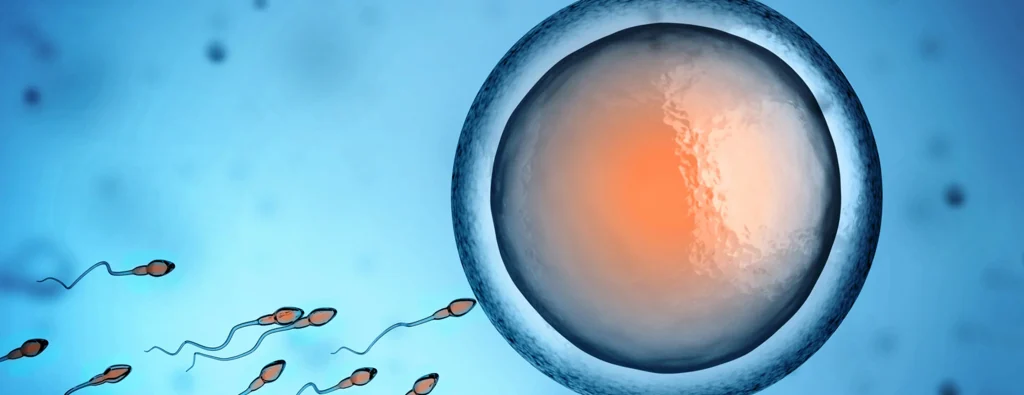
Fertility Preservation for Women with a Family History of Infertility
During the egg freezing process, a woman’s ovaries are stimulated with hormones to produce multiple eggs. These eggs are then retrieved and frozen using a process called vitrification, which involves rapidly cooling the eggs to prevent ice crystals from forming. The frozen eggs can then be stored for an indefinite period and thawed when the woman is ready to use them.
2. Embryo Freezing
Embryo freezing, also known as embryo cryopreservation, is another method of fertility preservation. This method involves fertilizing a woman’s eggs with sperm, either from a partner or a sperm donor, to create embryos. These embryos are then frozen and stored for future use.
Embryo freezing is often recommended for couples who are undergoing fertility treatments such as in vitro fertilization (IVF). In these cases, multiple embryos are created, and the extras can be frozen and used in the future if the initial IVF cycle is unsuccessful or if the couple wants to have more children later on. Embryo freezing is also an option for single women who want to preserve their fertility for future use.
3. Ovarian Tissue Freezing
Ovarian tissue freezing, also known as ovarian cortex cryopreservation, is a newer method of fertility preservation. This method involves removing a small piece of tissue from a woman’s ovary and freezing it for future use. When the woman is ready to use the tissue, it can be thawed and transplanted back into the body, where it can potentially restore the woman’s fertility.
Ovarian tissue freezing is often recommended for women who are unable to undergo other fertility preservation methods, such as egg or embryo freezing. It may be suitable for women who are undergoing medical treatments that may damage their ovaries, such as chemotherapy or radiation. It can also be an option for women who have conditions that may affect their fertility, such as endometriosis or premature ovarian failure.
The Importance of Early Planning
For women with a family history of infertility, it’s essential to plan ahead and consider fertility preservation options. It’s best to consult with a fertility specialist and discuss the best method for your specific situation. It’s also crucial to consider fertility preservation at a younger age before any potential fertility issues arise.
Summary
Fertility preservation is a crucial option for women with a family history of infertility. It offers hope and a chance to have a biological child in the future. The three main methods of fertility preservation include egg freezing, embryo freezing, and ovarian tissue freezing. It’s essential to plan ahead and consider fertility preservation options at a younger age to increase the chances of success.