Blog Post Title: Fertility Preservation: A Lifeline for Women with Endometriosis
Summary:
Endometriosis is a painful and often debilitating condition that affects approximately 10% of women in their reproductive years. It occurs when the tissue lining the uterus, known as the endometrium, grows outside of the uterus, causing inflammation and scarring. This condition can lead to various reproductive health issues, including infertility. For women with endometriosis who want to have children in the future, fertility preservation may be their only hope.
Fertility preservation, also known as cryopreservation, is the process of freezing and storing eggs, embryos, or ovarian tissue for future use. It has become a lifeline for women with endometriosis as it allows them to preserve their fertility before it is affected by the condition or its treatments. In this blog post, we will explore the impact of endometriosis on fertility and the various fertility preservation options available for women with this condition.
Understanding the Impact of Endometriosis on Fertility:
Endometriosis can significantly impact a woman’s fertility in several ways. The inflammation and scarring caused by endometriosis can damage the ovaries, fallopian tubes, and uterus, making it difficult for eggs to be released, sperm to reach the egg, and the fertilized egg to implant in the uterus. Additionally, endometriosis can also affect the quality of a woman’s eggs, making conception even more challenging.
Furthermore, the treatments for endometriosis, including surgery and hormonal medications, can also impact fertility. Surgery to remove endometrial tissue may result in the removal of healthy tissue as well, reducing the number of eggs a woman has. Hormonal medications, such as birth control pills and gonadotropin-releasing hormone (GnRH) agonists, can also suppress ovulation and decrease the chances of conception.
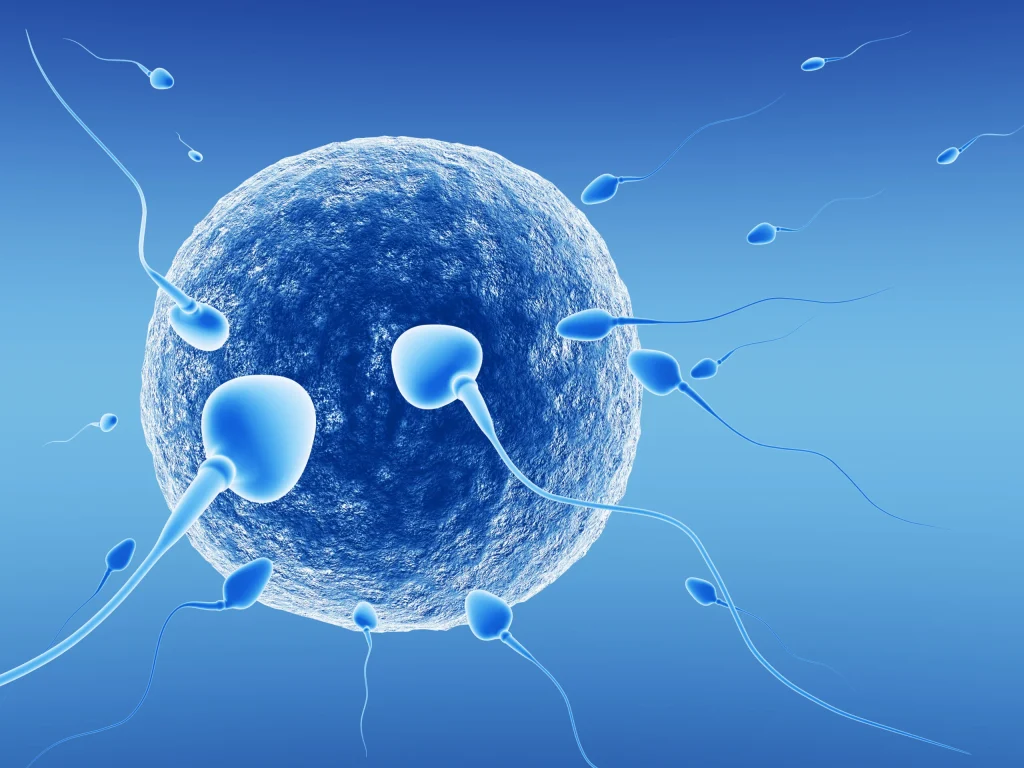
Fertility Preservation: A Lifeline for Women with Endometriosis
Fertility Preservation Options for Women with Endometriosis:
1. Egg Freezing:
Egg freezing, also known as oocyte cryopreservation, involves retrieving a woman’s eggs and freezing them for future use. This option is suitable for women who have not undergone any treatments for endometriosis or are not yet ready to start a family. The process involves stimulating the ovaries with hormonal medications to produce multiple eggs, which are then retrieved and frozen. These eggs can be thawed and fertilized with sperm in the future through in vitro fertilization (IVF).
2. Embryo Freezing:
For women who are in a committed relationship, embryo freezing may be a suitable option. This process involves fertilizing the retrieved eggs with sperm and freezing the resulting embryos. The embryos can be thawed and transferred to the woman’s uterus in the future through IVF. Embryo freezing has a higher success rate compared to egg freezing, making it a more popular option for fertility preservation.
3. Ovarian Tissue Freezing:
Ovarian tissue freezing, also known as ovarian cortex cryopreservation, involves removing a small portion of the ovarian tissue and freezing it for future use. This option is suitable for women who are at high risk of losing their ovarian function due to endometriosis or its treatments. The frozen tissue can be thawed and transplanted back into the woman’s body, where it can produce eggs and restore fertility.
The Role of Fertility Preservation in the Lives of Women with Endometriosis:
Fertility preservation has become a crucial aspect of managing endometriosis for women who want to have children in the future. It offers them a sense of control over their fertility and provides them with hope for a future family. For women who are undergoing treatments for endometriosis, fertility preservation can also offer peace of mind knowing that they have options for building their family after treatment.
Moreover, fertility preservation can also help alleviate the mental and emotional toll that endometriosis can have on women. The diagnosis of endometriosis is often accompanied by feelings of fear, uncertainty, and grief, especially for those who want to have children. Fertility preservation can provide a glimmer of hope and a sense of empowerment for women with endometriosis.
In conclusion, fertility preservation is a vital lifeline for women with endometriosis. It offers them the opportunity to preserve their fertility and have a chance at starting a family in the future. With the advancements in technology and research, fertility preservation options are continually improving, giving women with endometriosis more options and hope for their future.