Blog Post Title: The Benefits of Fertility Preservation for LGBTQ+ Couples
As society becomes more accepting and inclusive of the LGBTQ+ community, many couples are now considering starting their own families. However, for same-sex couples and transgender individuals, starting a family may not be as straightforward as it is for heterosexual couples. This is where fertility preservation comes in – a process that allows individuals to store their reproductive cells or tissues for future use. In this blog post, we will explore the benefits of fertility preservation for LGBTQ+ couples and how it can help them achieve their dream of starting a family.
1. Overcoming Biological Barriers
One of the biggest challenges faced by LGBTQ+ couples when it comes to starting a family is the biological barrier. Same-sex couples, in particular, do not have the ability to conceive a child naturally. Fertility preservation offers a solution to this problem by providing options for individuals to preserve their reproductive cells or tissues. These can then be used in assisted reproductive techniques such as in vitro fertilization (IVF) or intrauterine insemination (IUI). This allows same-sex couples to have a biological connection to their child, overcoming the biological barriers they face.
2. Flexibility and Control
Fertility preservation also offers flexibility and control for LGBTQ+ couples who are planning to start a family. For transgender individuals, hormone therapy and gender reassignment surgery can affect their fertility. By preserving their reproductive cells before undergoing these procedures, they can still have the option to have biological children in the future. For same-sex couples, they can also choose when they want to start a family, without the pressure of age-related fertility decline. This gives them the freedom to focus on their careers or other aspects of their lives before starting a family.
3. Preservation of Genetic Material
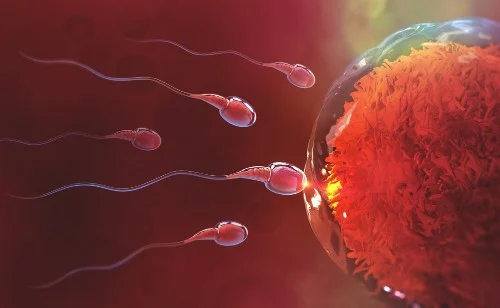
The Benefits of Fertility Preservation for LGBTQ+ Couples
Fertility preservation also allows LGBTQ+ couples to preserve their genetic material. This is particularly important for transgender individuals who may not have a partner at the time of transitioning but still want to have biological children in the future. By preserving their reproductive cells, they can ensure that their genetic material is available for use when they are ready to start a family. This also applies to same-sex couples, as they can choose which partner’s genetic material to use or even opt for a donor’s genetic material.
4. Increased Success Rates
Studies have shown that fertility preservation can significantly increase the chances of success in assisted reproductive techniques. This is because the reproductive cells or tissues are preserved when they are at their peak quality, increasing the chances of a successful pregnancy. This is especially beneficial for same-sex couples, who may have limited options when it comes to using donor sperm or eggs.
5. Financial Savings
Fertility preservation can also lead to financial savings in the long run for LGBTQ+ couples. By preserving their reproductive cells, they can avoid the cost of repeated IVF or IUI cycles, which can be expensive. This is particularly beneficial for transgender individuals, as hormone therapy and gender reassignment surgery can be costly. By preserving their fertility before undergoing these procedures, they can save on the cost of using a donor or fertility treatments in the future.
6. Emotional Benefits
Starting a family is a dream for many individuals, and for LGBTQ+ couples, this dream can come with added emotional stress and pressure. Fertility preservation can help alleviate some of this stress and provide peace of mind, knowing that they have options for starting a family in the future. This can also be beneficial for transgender individuals, as it can provide a sense of control and empowerment during the transitioning process.
In summary, fertility preservation offers numerous benefits for LGBTQ+ couples who are planning to start a family. It provides a solution for overcoming biological barriers, offers flexibility and control, allows for the preservation of genetic material, increases success rates, leads to financial savings, and provides emotional benefits. As the world becomes more inclusive and accepting, fertility preservation is becoming a more widely available and accessible option for LGBTQ+ couples, giving them the opportunity to fulfill their dream of starting a family.