Blog Post: Understanding Insemination Success Rates for Women with Endometriosis
Endometriosis is a common condition that affects millions of women worldwide. It occurs when the tissue that lines the uterus grows outside of it, leading to severe pain and infertility. Many women with endometriosis struggle to conceive naturally and often turn to assisted reproductive technologies such as intrauterine insemination (IUI) to increase their chances of pregnancy. However, for women with endometriosis, the success rates of insemination can vary significantly. In this blog post, we will explore the factors that affect insemination success rates for women with endometriosis and what steps can be taken to maximize the chances of a successful pregnancy.
Factors Affecting Insemination Success Rates for Women with Endometriosis:
1. Severity of Endometriosis: The severity of endometriosis can greatly impact the success rates of insemination. Women with mild endometriosis may still have a good chance of conceiving through insemination, while those with severe endometriosis may have a lower success rate. This is because severe endometriosis can cause damage to the reproductive organs, making it more difficult for the sperm to reach the egg.
2. Age: Age is another crucial factor that affects insemination success rates for women with endometriosis. As women age, their egg quality declines, making it more challenging to conceive. According to a study published in the Journal of Assisted Reproduction and Genetics, women over the age of 35 with endometriosis had a significantly lower pregnancy rate after insemination compared to younger women.
3. Duration of Infertility: Women with endometriosis who have been trying to conceive for a more extended period may have a lower success rate with insemination. This is because endometriosis can cause scarring and adhesions in the reproductive organs, making it more challenging for the sperm to reach the egg.
4. Underlying Fertility Issues: Endometriosis can often coexist with other fertility issues such as polycystic ovary syndrome (PCOS), uterine fibroids, or blocked fallopian tubes. These underlying issues can further impact the success rates of insemination for women with endometriosis.
5. Method of Insemination: The method of insemination used can also affect the success rates for women with endometriosis. Intrauterine insemination (IUI) is the most commonly used method, where the sperm is directly injected into the uterus. However, studies have shown that intracervical insemination (ICI) may be more effective for women with endometriosis as it allows the sperm to bypass the fallopian tubes and reach the egg directly.
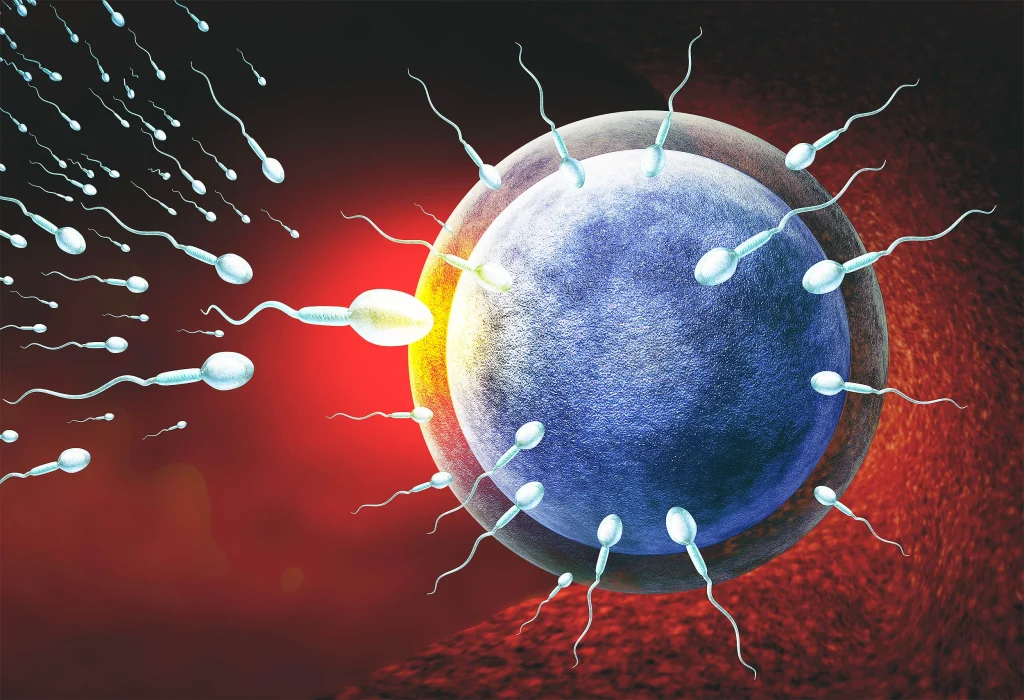
Insemination Success Rates for Women with Endometriosis
How to Improve Insemination Success Rates for Women with Endometriosis:
1. Seek treatment for endometriosis: The first step to improving the success rates of insemination for women with endometriosis is to seek treatment for the condition. This can help reduce the severity of endometriosis and improve the chances of pregnancy.
2. Consider combining insemination with other fertility treatments: In some cases, combining insemination with other fertility treatments such as ovarian stimulation or in vitro fertilization (IVF) may increase the chances of pregnancy for women with endometriosis.
3. Optimize timing and monitoring: Timing is crucial for insemination success. It is essential to track ovulation accurately and time insemination accordingly. Regular monitoring with ultrasound and blood tests can help determine the best time for insemination.
4. Address underlying fertility issues: As mentioned earlier, endometriosis can often coexist with other fertility issues. Addressing these issues before undergoing insemination can improve the overall success rates.
5. Consider using donor sperm: For women with severe endometriosis, using donor sperm may be a more effective option than using their partner’s sperm. This is because donor sperm has a higher chance of reaching the egg and fertilizing it.
In conclusion, the success rates of insemination for women with endometriosis can vary depending on various factors such as the severity of endometriosis, age, and underlying fertility issues. However, by seeking treatment for endometriosis, combining insemination with other fertility treatments, optimizing timing and monitoring, and addressing underlying issues, women with endometriosis can increase their chances of a successful pregnancy through insemination.
Summary:
Insemination can be a helpful assisted reproductive technology for women with endometriosis who are struggling to conceive naturally. However, the success rates of insemination can vary depending on factors such as the severity of endometriosis, age, and underlying fertility issues. Women can improve their chances of pregnancy through insemination by seeking treatment for endometriosis, combining insemination with other fertility treatments, optimizing timing and monitoring, and addressing underlying issues.