Blog Post: The Science Behind Insemination Success Rates
Insemination, also known as artificial insemination, is a fertility treatment that involves placing sperm directly into a woman’s uterus or cervix in order to increase the chances of pregnancy. This procedure has been around for decades and has helped many couples and individuals conceive. However, like any medical procedure, the success rates of insemination can vary. In this blog post, we will explore the science behind insemination success rates and what factors can affect them.
Understanding Insemination
Before diving into the success rates, it’s important to understand how insemination works. There are two types of insemination: intrauterine insemination (IUI) and intracervical insemination (ICI). IUI involves placing washed and concentrated sperm directly into the uterus, while ICI involves placing the sperm into the cervix. Both procedures are usually done around the time of ovulation to increase the chances of fertilization.
Success Rates of Insemination
According to the American Pregnancy Association, the success rates of insemination can vary depending on several factors such as age, underlying fertility issues, and the type of insemination used. On average, the success rate of IUI ranges from 10-20% per cycle, while ICI has a success rate of 5-10% per cycle. It’s important to note that these rates can vary greatly and may not apply to every individual or couple.
Factors that Affect Success Rates
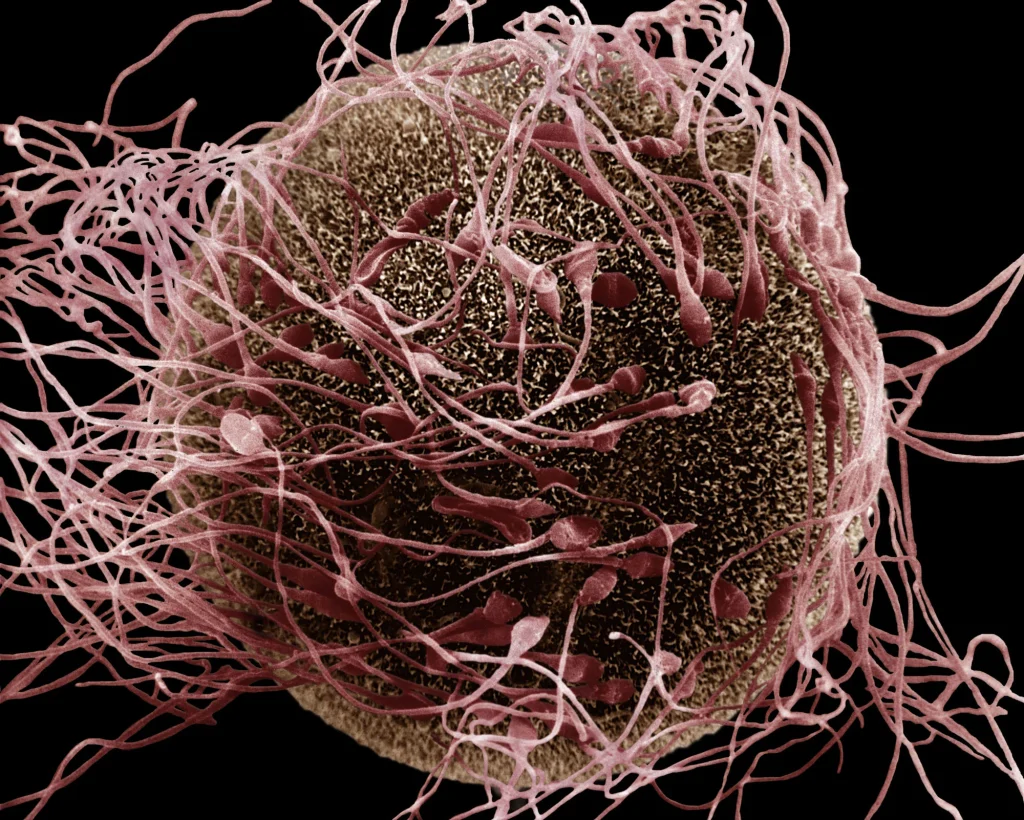
The Science Behind Insemination Success Rates
Age: Age plays a significant role in the success rates of insemination. As women age, the quantity and quality of their eggs decrease, making it more difficult to conceive. This can also affect the quality of the uterine lining, making it less suitable for implantation. Therefore, older women may have a lower success rate with insemination compared to younger women.
Fertility Issues: Insemination is usually recommended for couples or individuals who have mild fertility issues, such as low sperm count or unexplained infertility. If there are more severe underlying fertility issues, such as blocked fallopian tubes or endometriosis, the success rates of insemination may be lower.
Timing and Frequency: As mentioned earlier, insemination is usually done around the time of ovulation. If the timing is off, the chances of fertilization and pregnancy may decrease. Additionally, the frequency of insemination can also affect success rates. Some studies have shown that multiple insemination cycles within a month can increase the chances of pregnancy.
Sperm Quality: The quality of sperm used in insemination can also play a role in the success rates. Sperm that is washed and concentrated before insemination has a higher chance of fertilizing an egg compared to raw sperm. This is because the washing process removes dead or abnormal sperm, leaving behind only the healthiest ones.
Lifestyle Factors: Certain lifestyle factors, such as smoking, excessive alcohol consumption, and a poor diet, can also affect the success rates of insemination. These habits can decrease the quality of sperm and eggs, making it more difficult to conceive.
Conclusion
Insemination can be an effective fertility treatment for couples and individuals struggling to conceive. However, the success rates can vary and may not be suitable for everyone. It’s important to consult with a fertility specialist to determine if insemination is the right option for you and to understand the potential success rates based on your individual circumstances.
In summary, the success rates of insemination can vary depending on factors such as age, underlying fertility issues, timing and frequency, sperm quality, and lifestyle factors. While insemination can be a helpful fertility treatment, it’s important to manage expectations and understand that it may not be successful for everyone.