Blog Post:
Infertility is a common struggle for many couples, affecting approximately 1 in 8 couples worldwide. While there are various treatments and options available, one option that has gained popularity in recent years is donor sperm insemination. This process involves using donor sperm to fertilize a woman’s egg, allowing her to carry and give birth to a child. In this blog post, we will explore the process of donor sperm insemination and how it can be a viable option for couples struggling with infertility.
What is Donor Sperm Insemination?
Donor sperm insemination, also known as donor insemination or artificial insemination with donor sperm (AID), is a form of assisted reproductive technology (ART) that involves using donor sperm to achieve pregnancy. The process can be done through intrauterine insemination (IUI) or in vitro fertilization (IVF). In IUI, the donor sperm is placed directly into the woman’s uterus, while in IVF, the sperm is used to fertilize the woman’s egg in a laboratory before being transferred to her uterus.
Why Choose Donor Sperm Insemination?
Couples struggling with infertility often turn to donor sperm insemination as it offers several benefits. First, it is a less invasive and less expensive option compared to other forms of ART, such as in vitro fertilization (IVF). Additionally, it can be a viable option for couples where the male partner has low sperm count or poor sperm quality. Donor sperm can also be used when the male partner carries a genetic disorder that can be passed on to a child.
The Process of Donor Sperm Insemination
The process of donor sperm insemination begins with the selection of a donor. Donor sperm can be obtained from sperm banks or through personal arrangements with a known donor. Sperm banks carefully screen and test donors for infectious diseases, genetic disorders, and overall health to ensure the sperm is safe for use. Once a donor is chosen, the sperm is shipped to the fertility clinic where it will be used for the insemination process.
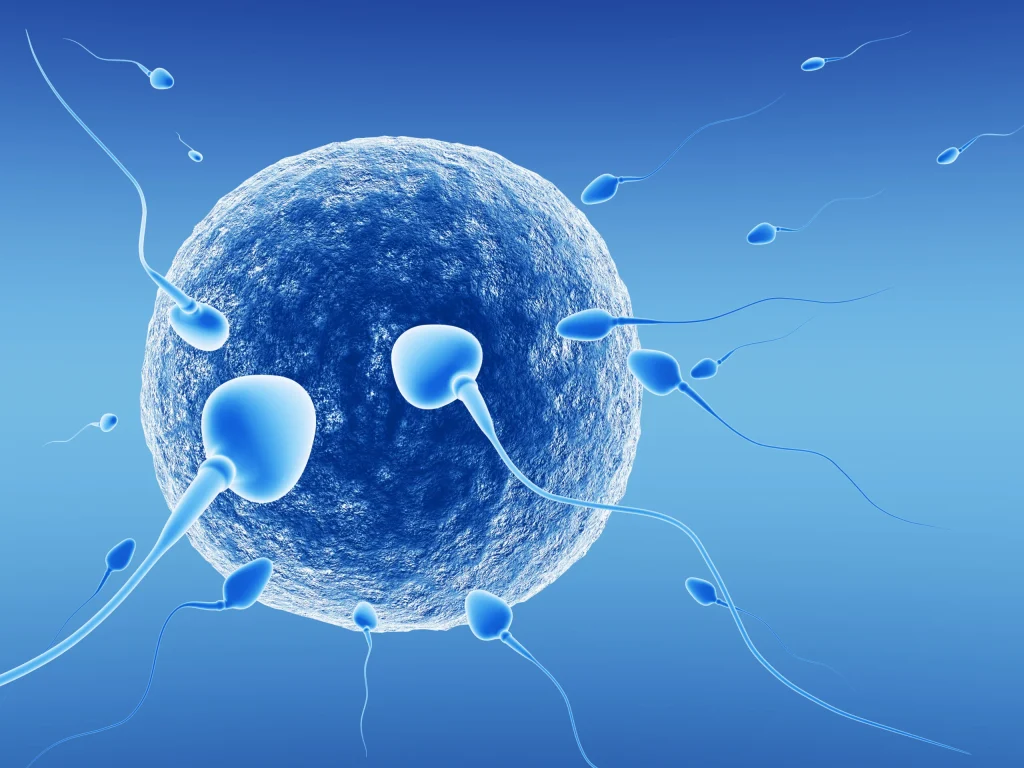
Donor Sperm Insemination: A Viable Option for Couples Struggling with Infertility
Before the insemination procedure, the woman may need to take fertility medications to stimulate ovulation and increase the chances of pregnancy. The insemination itself is a quick and painless process, where the donor sperm is inserted into the woman’s uterus using a thin catheter. After the procedure, the woman may be advised to rest for a short period before resuming normal activities.
Success Rates of Donor Sperm Insemination
The success rates of donor sperm insemination vary depending on several factors, such as the age of the woman, her overall health, and the quality of the donor sperm. On average, the success rate of IUI is approximately 10-20% per cycle, while IVF has a higher success rate of 40-50% per cycle. However, the success rates can also be affected by the cause of infertility, with some cases having a higher chance of success than others.
Legal and Ethical Considerations
Before embarking on the process of donor sperm insemination, it is essential to consider the legal and ethical implications. In some countries, the use of donor sperm is regulated, and certain laws may apply, such as the requirement for donors to remain anonymous. It is also crucial for all parties involved to have a clear understanding and agreement about their roles and responsibilities. Couples should also consider the emotional impact of using donor sperm and seek counseling if needed.
Conclusion
Donor sperm insemination can be a viable option for couples struggling with infertility. It offers a less invasive and less expensive alternative to other forms of ART, and it can be a suitable option for couples with male factor infertility or genetic disorders. However, it is essential to carefully consider all aspects, including legal and ethical considerations, before proceeding with the process. With the right support and guidance, donor sperm insemination can be a successful and fulfilling journey towards parenthood for many couples.
Summary:
Donor sperm insemination is a form of assisted reproductive technology that involves using donor sperm to fertilize a woman’s egg. It can be done through intrauterine insemination (IUI) or in vitro fertilization (IVF). This process is a viable option for couples struggling with infertility as it is less invasive and less expensive compared to other forms of ART. The process involves selecting a donor, fertility medications, and a quick and painless insemination procedure. Success rates vary depending on several factors, and it is crucial to consider the legal and ethical implications before proceeding. With careful consideration and support, donor sperm insemination can be a successful journey towards parenthood for many couples.