Blog Post Title: Donor Sperm Insemination: A Solution for Male Infertility
Summary:
Infertility affects millions of couples around the world, with male infertility being the cause in about 30% of cases. In recent years, advancements in assisted reproductive technologies have provided solutions for couples struggling to conceive. One of these solutions is donor sperm insemination, which has proven to be a successful option for many couples facing male infertility.
Donor sperm insemination involves the use of donated sperm from a healthy and screened donor to fertilize a woman’s egg. This process can be done through intrauterine insemination (IUI) or in vitro fertilization (IVF), depending on the specific needs of the couple. Donor sperm insemination offers hope to couples who have exhausted other fertility treatments or for those who have male partners with low sperm count or quality.
There are various reasons why a couple may choose donor sperm insemination as their fertility treatment. One of the main reasons is male factor infertility, where a man’s sperm count, quality, or motility is too low to successfully fertilize an egg. In some cases, men may also have genetic conditions or diseases that can be passed on to their offspring, making donor sperm insemination a safer option.
Another reason for choosing donor sperm insemination is same-sex female couples who wish to have a child. In these cases, donor sperm is used to fertilize one partner’s egg, and the resulting embryo is then implanted into the other partner’s uterus. This allows both partners to be biologically connected to the child and have a shared experience in the pregnancy and childbirth process.
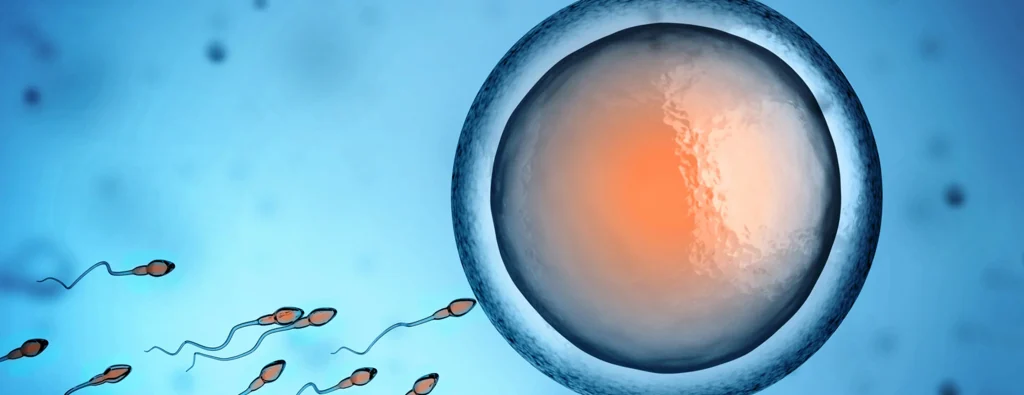
Donor Sperm Insemination: A Solution for Male Infertility
The process of donor sperm insemination begins with the selection of a donor. Donors are usually screened for their overall health, genetic history, and sperm quality. The sperm is then frozen and quarantined for a period of time to ensure the donor is free from any infectious diseases before being used for insemination.
The actual insemination process is relatively simple and can be done in a fertility clinic or at home with the use of a donor sperm kit. In IUI, the sperm is inserted directly into the woman’s uterus using a catheter, while in IVF, the sperm is used to fertilize the woman’s eggs in a laboratory setting. Both methods have high success rates, with IVF having a slightly higher success rate compared to IUI.
One of the main concerns couples may have about donor sperm insemination is the issue of genetic connection to the child. However, with advancements in technology, it is now possible to choose a donor who closely matches the physical characteristics of the male partner, providing a sense of connection and continuity for the child.
Another concern may be the cost of donor sperm insemination, as it can be a significant financial investment. However, many fertility clinics offer financing options and insurance coverage for fertility treatments, making it more accessible to couples.
Donor sperm insemination also raises ethical and emotional concerns for both the donor and the recipient couple. It is important for all parties involved to have open and honest communication and to seek counseling if needed to address any potential issues.
In conclusion, donor sperm insemination is a viable and successful solution for male infertility. It offers hope to couples who are struggling to conceive and provides a way for same-sex female couples to have a biological connection to their child. With proper screening and ethical considerations, donor sperm insemination can be a fulfilling and rewarding experience for all involved.