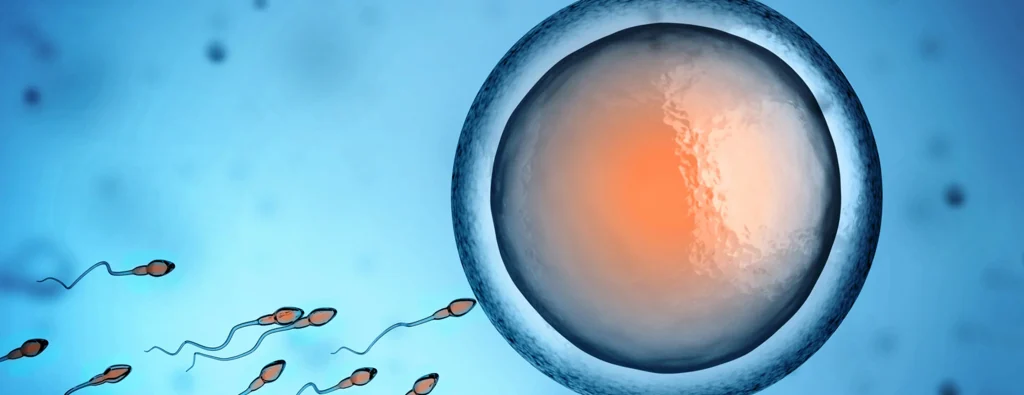
Donor sperm insemination is a form of assisted reproductive technology that has helped countless couples and individuals achieve their dream of starting a family. It involves using donated sperm from a known or anonymous donor to fertilize an egg, either through intrauterine insemination (IUI) or in vitro fertilization (IVF). In this comprehensive guide, we will walk you through the entire process of donor sperm insemination, from start to finish.
1. Understanding Donor Sperm Insemination
Before embarking on the journey of donor sperm insemination, it is important to have a thorough understanding of the process. Donor sperm insemination is a viable option for those who are unable to conceive naturally due to various reasons such as male infertility, same-sex couples, or single individuals. The process involves collecting sperm from a donor and using it to fertilize the intended parent’s egg.
2. Choosing a Donor
The first step in the donor sperm insemination process is choosing a donor. There are two types of donors – known and anonymous. Known donors are usually a friend or family member who has agreed to donate sperm, while anonymous donors are carefully screened individuals from a sperm bank. When choosing a donor, it is important to consider factors such as physical characteristics, medical history, education, and personality traits.
3. Sperm Donation and Screening
Once a donor is chosen, the next step is to collect the sperm. In the case of a known donor, this can be done at home through masturbation into a sterile cup. However, if using an anonymous donor from a sperm bank, the sperm will be collected and screened at the facility. The screening process includes tests for genetic disorders, sexually transmitted infections, and other health factors. Only donors who pass all the necessary screenings are considered eligible for sperm donation.
4. Fertility Testing for the Intended Parent
While the donor is being screened, the intended parent will also undergo fertility testing. This may include blood tests, ultrasounds, and other exams to assess their reproductive health and determine the best course of action for insemination.
5. Intrauterine Insemination (IUI)
A Guide to Donor Sperm Insemination: From Start to Finish
IUI is the most common method of donor sperm insemination. It involves placing the sperm directly into the uterus using a thin catheter. This procedure is typically done around the time of ovulation to increase the chances of fertilization. IUI is a relatively simple and painless procedure that can be done in a doctor’s office.
6. In Vitro Fertilization (IVF)
In vitro fertilization is a more complex form of donor sperm insemination. It involves retrieving eggs from the intended parent and fertilizing them with donor sperm in a lab. The resulting embryo is then transferred into the uterus. IVF is usually recommended for those who have fertility issues or have not had success with IUI.
7. Pregnancy and Beyond
After insemination, the intended parent will undergo pregnancy testing to determine if the procedure was successful. If successful, prenatal care will begin, and the pregnancy will be monitored closely. The donor will have no legal rights or responsibilities to the child, and the intended parent(s) will be considered the legal parents.
8. Emotional Considerations
Donor sperm insemination can be an emotionally charged process for both the intended parent(s) and the donor. It is essential to consider the emotional aspect of this journey and seek support if needed. Counseling and support groups can be helpful in navigating the emotional challenges that may arise.
In conclusion, donor sperm insemination is a viable option for those struggling with fertility issues or looking to start a family on their own. It is a complex process that requires careful consideration and planning. By understanding the process and seeking professional help, you can increase your chances of success and fulfill your dream of starting a family.
Summary:
Donor sperm insemination is a form of assisted reproductive technology that involves using donated sperm from a known or anonymous donor to fertilize an egg. The process includes choosing a donor, sperm donation and screening, fertility testing for the intended parent, and insemination through either intrauterine insemination (IUI) or in vitro fertilization (IVF). After insemination, the intended parent will undergo pregnancy testing and prenatal care. It is important to consider emotional factors and seek support throughout the process. With careful planning and professional help, donor sperm insemination can help individuals and couples achieve their dream of starting a family.