Introduction:
In the world of fertility treatments, donor sperm insemination has become a popular option for couples and individuals struggling to conceive. This method involves using sperm from an anonymous or known donor to fertilize the woman’s egg, with the goal of achieving a successful pregnancy. While the idea of using donor sperm may seem daunting or unfamiliar, there are numerous benefits to this form of insemination that make it a viable and appealing option for many. In this blog post, we will explore the benefits of donor sperm insemination and what you need to know before considering this form of fertility treatment.
What is Donor Sperm Insemination?
Donor sperm insemination, also known as donor insemination or artificial insemination by donor (AID), is a fertility treatment that involves using donated sperm to fertilize a woman’s egg. This can be done through intrauterine insemination (IUI) or in vitro fertilization (IVF), depending on the specific needs and circumstances of the individual or couple. Donor sperm is typically used when there are issues with the male partner’s sperm, such as low sperm count, motility, or genetic abnormalities. It is also used in cases where there is no male partner, such as single women or same-sex female couples who want to conceive.
Benefits of Donor Sperm Insemination:
1. Increased Chance of Pregnancy:
One of the primary benefits of donor sperm insemination is its high success rates. The use of donor sperm can significantly increase the chances of achieving a successful pregnancy, especially for couples who have been struggling to conceive naturally. This is because the donated sperm is typically of high quality and has been thoroughly screened and tested for fertility. Additionally, the sperm is usually from a young and healthy donor, further increasing the likelihood of a successful pregnancy.
2. Control over Genetics:
Using donor sperm also gives individuals and couples a level of control over the genetics of their child. With the option to choose a donor based on specific characteristics such as physical appearance, education, and medical history, individuals can have a say in the genetic makeup of their child. This can be particularly appealing for same-sex couples who want to have a biological connection to their child or for individuals who may have inherited genetic disorders or diseases they do not want to pass on to their offspring.
3. Anonymity and Privacy:
Donor sperm insemination allows for anonymity and privacy, which can be important for some individuals and couples. Unlike adoption, where there is often a lengthy and invasive process to get to know the birth parent, the use of donor sperm provides a level of anonymity and privacy. This can make the process less emotionally taxing and allows individuals and couples to focus on building their family without the added stress of an open adoption.
4. Cost-Effective:
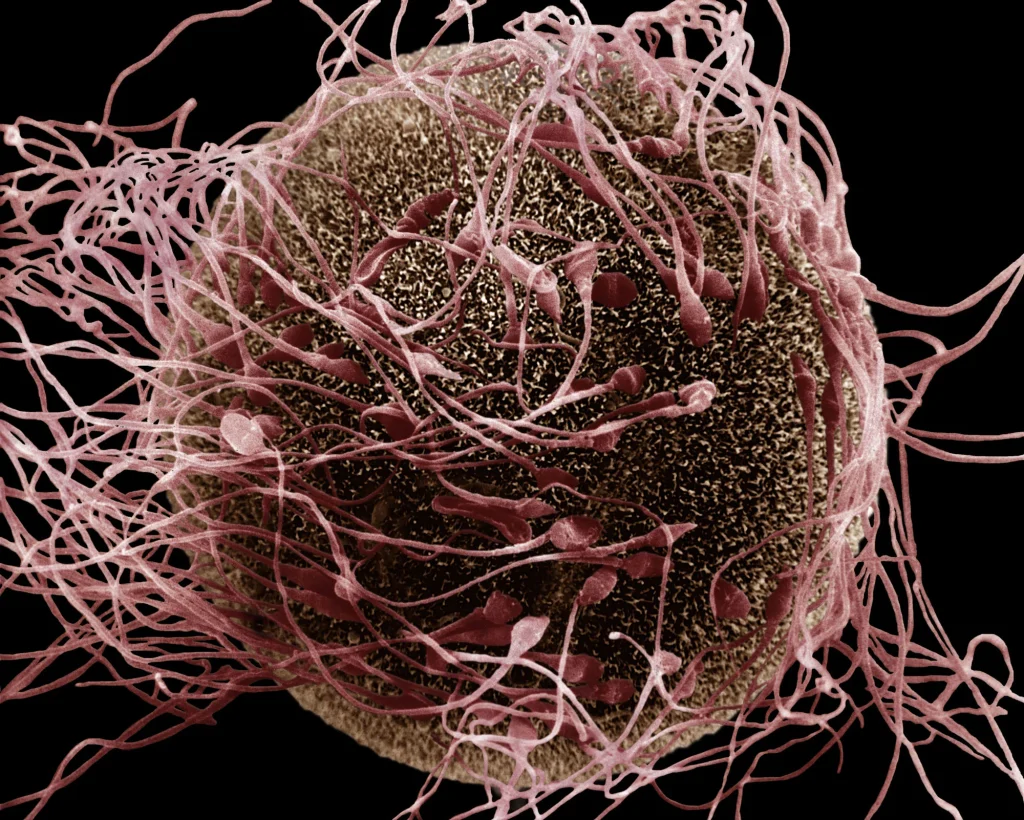
The Benefits of Donor Sperm Insemination: What You Need to Know
In comparison to other fertility treatments, donor sperm insemination is relatively cost-effective. It is a less invasive and complicated procedure than other options like IVF, which can be significantly more expensive. Additionally, the use of donor sperm can eliminate the need for expensive fertility medications, further reducing the overall cost of treatment.
5. Reduced Risk of Genetic Disorders:
As mentioned earlier, donor sperm is thoroughly screened and tested for fertility and genetic disorders. This means that there is a reduced risk of passing on genetic disorders and diseases to the child. This can be a significant relief for individuals and couples who may have a family history of genetic disorders or who are carriers of certain genetic conditions.
What You Need to Know:
While there are many benefits to donor sperm insemination, there are also some important things to consider before pursuing this form of treatment. It is crucial to have open and honest communication with your partner and healthcare provider to ensure that you are fully informed and prepared for the process. Here are some essential things to know about donor sperm insemination:
1. Choosing a Donor:
When using donor sperm, you have the option to choose between an anonymous or known donor. Anonymous donors are typically chosen through a sperm bank and have no contact with the intended parents or child. Known donors, on the other hand, can be a friend or family member who agrees to donate their sperm. It is crucial to carefully consider the implications of each option and choose what is best for you and your family.
2. Legal Considerations:
It is essential to consult with a lawyer before proceeding with donor sperm insemination, especially if you are using a known donor. Legal agreements can be put in place to protect all parties involved and ensure that everyone’s rights and responsibilities are clearly defined. This can also help prevent any legal issues that may arise in the future.
3. Emotional Considerations:
Using donor sperm can bring up a range of emotions for individuals and couples, including excitement, anxiety, and even grief. It is essential to acknowledge and address these emotions and seek support from a therapist or support group if needed. It is also crucial to have open and honest communication with your partner throughout the process to ensure that you are both on the same page.
Summary:
Donor sperm insemination is a form of fertility treatment that involves using donated sperm to fertilize a woman’s egg. It offers numerous benefits, including increased chances of pregnancy, control over genetics, anonymity and privacy, cost-effectiveness, and reduced risk of genetic disorders. However, it is crucial to consider the legal and emotional implications before pursuing this form of treatment. Open communication with your partner and healthcare provider is key to making an informed decision and ensuring a successful and positive experience with donor sperm insemination.