The Emotional Journey of Fertility: How Counseling Can Help
Fertility is a deeply personal and emotional journey that can have a significant impact on an individual or couple’s mental health. The desire to have a child and start a family is a natural and universal human experience, but for some, the path to parenthood can be challenging and filled with ups and downs. Fertility struggles can lead to feelings of grief, shame, guilt, and anxiety, and it’s essential to recognize and address these emotions to support overall well-being. This is where counseling can play a crucial role in providing emotional support and coping strategies for individuals and couples on their fertility journey.
The Emotional Toll of Fertility Struggles
For many, the dream of starting a family comes with ease, but for others, the path to parenthood can be filled with obstacles and challenges. Infertility, defined as the inability to conceive after 12 months of regular, unprotected sex, affects approximately 1 in 8 couples in the United States. This statistic does not include the countless individuals who struggle with other fertility issues, such as recurrent miscarriages or medical conditions that affect their ability to conceive. These struggles can take a severe emotional toll on individuals and couples, leading to feelings of frustration, anger, and sadness.
The emotional impact of fertility struggles can be significant and can manifest in various ways. For individuals, it can lead to low self-esteem, self-doubt, and feelings of inadequacy. For couples, it can cause conflict, strain on the relationship, and feelings of isolation and loneliness. The emotional turmoil can also lead to mental health issues such as depression and anxiety. It’s essential to acknowledge and address these emotions to support overall well-being and maintain a healthy mindset throughout the fertility journey.
How Counseling Can Help
Counseling can be a valuable tool for individuals and couples struggling with fertility issues. It provides a safe and non-judgmental space to express emotions, process thoughts, and gain support and guidance. A trained therapist can help individuals and couples navigate the complex emotions that come with fertility struggles, providing a sense of relief and validation. They can also offer practical coping strategies to manage stress, anxiety, and depression that may arise during the fertility journey.
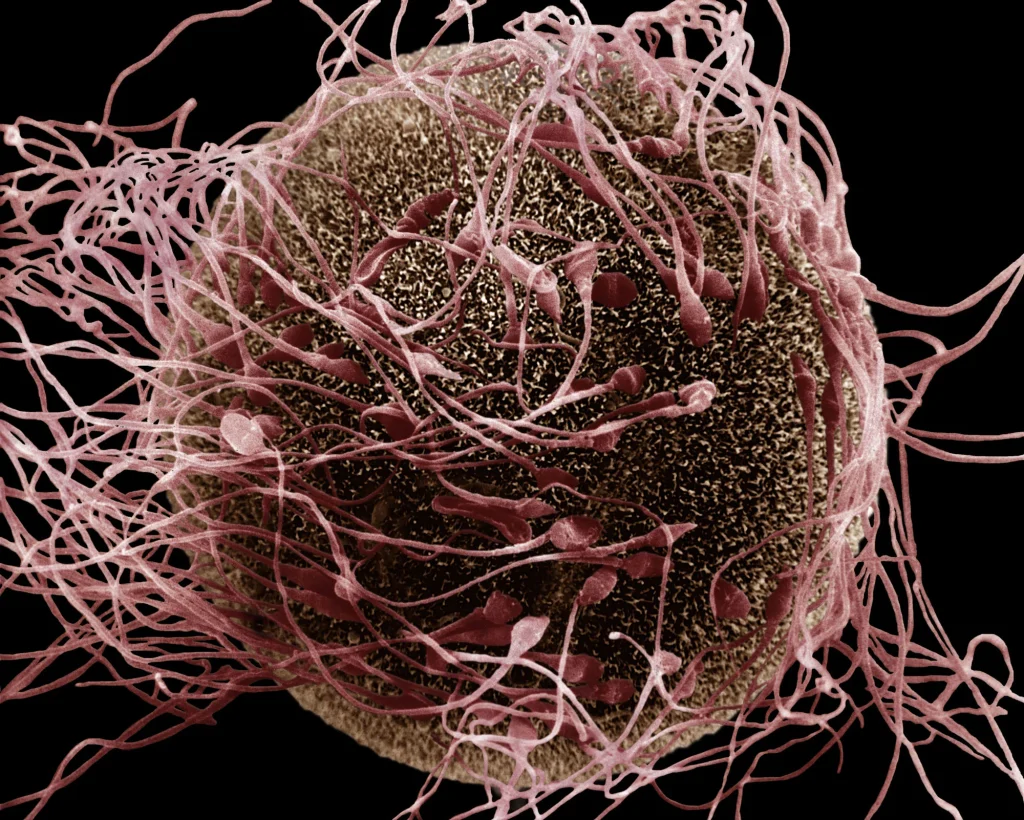
The Emotional Journey of Fertility: How Counseling Can Help
One of the most significant benefits of counseling is the opportunity to address and work through underlying issues that may be contributing to fertility struggles. Many individuals and couples may carry unresolved trauma, past experiences, or relationship issues that can affect their ability to conceive. Counseling can help identify and address these issues, leading to improved overall well-being and potentially increasing the chances of a successful pregnancy.
Additionally, counseling can provide much-needed support during fertility treatments, such as in-vitro fertilization (IVF) or intrauterine insemination (IUI). These treatments are physically and emotionally demanding, and the support of a therapist can help individuals and couples navigate the rollercoaster of emotions that come with fertility treatments.
The Role of Support Groups
In addition to individual or couples counseling, support groups can be a valuable resource for those struggling with fertility issues. Support groups offer a sense of community and understanding, as individuals share their experiences, emotions, and coping strategies. It can be comforting to know that others are going through similar struggles and to have a safe space to express emotions without judgment. Support groups can also provide practical information and resources for navigating fertility treatments and connecting with other individuals and couples on similar journeys.
The Importance of Self-Care
During the fertility journey, it’s crucial to prioritize self-care. This means taking care of one’s physical, emotional, and mental well-being. Self-care looks different for everyone, but some practical strategies include getting enough rest, eating a balanced diet, engaging in physical activity, and practicing relaxation techniques such as meditation or mindfulness. Self-care also means setting boundaries, saying no to things that may cause stress, and seeking support when needed. Fertility struggles can be all-consuming, and it’s crucial to take breaks and engage in activities that bring joy and fulfillment.
In conclusion, the emotional journey of fertility can be challenging, but counseling and support can make a significant difference. It’s essential to recognize and address the complex emotions that come with fertility struggles to support overall well-being. Counseling provides a safe and supportive space to express emotions, process thoughts, and develop practical coping strategies. Support groups offer a sense of community and understanding, and self-care is crucial to maintaining a healthy mindset throughout the fertility journey. With the right support and mindset, individuals and couples can navigate the emotional journey of fertility with resilience and hope.
SEO Metadata: