[Blog Post Title: The Connection Between Mental Health and Reproductive Health in Your 30s]
Reaching your 30s can bring about a lot of changes in your life – both physically and mentally. This is a crucial decade where you may be settling into your career, starting a family, or even experiencing the onset of menopause. Amidst all these changes, it’s important to also pay attention to your mental and reproductive health. In fact, research has shown that there is a strong link between the two, and neglecting one can have negative impacts on the other. In this blog post, we will explore the connection between mental health and reproductive health in your 30s and how to maintain a healthy balance between the two.
[The Impact of Mental Health on Reproductive Health]
Firstly, let’s define what we mean by mental health. Mental health refers to a person’s emotional, psychological, and social well-being. It affects how we think, feel, and behave, and plays a crucial role in our overall health and happiness. When it comes to reproductive health, mental health can have both direct and indirect impacts.
On one hand, poor mental health can directly affect reproductive health by causing sexual dysfunction, menstrual irregularities, and even infertility. Studies have shown that conditions like depression, anxiety, and stress can disrupt hormone levels and ovulation, leading to difficulties in conceiving. Additionally, mental health issues can also affect a person’s libido and sexual desire, making it harder to engage in sexual activity and conceive.
On the other hand, mental health can indirectly impact reproductive health by affecting a person’s lifestyle choices. For example, individuals struggling with mental health issues may turn to unhealthy coping mechanisms such as smoking, excessive drinking, and drug use, all of which can impact fertility and overall reproductive health. They may also have a harder time maintaining a healthy diet and exercise routine, which are crucial for reproductive health.
[The Impact of Reproductive Health on Mental Health]
While mental health can affect reproductive health, the reverse is also true – reproductive health can also impact mental health. In your 30s, many women may experience challenges related to reproductive health, such as infertility, pregnancy loss, and menopause. These issues can take a toll on a person’s mental well-being and lead to conditions like depression, anxiety, and postpartum depression.
In fact, research has shown that women undergoing fertility treatments are at a higher risk of developing anxiety and depression. The stress and emotional toll of trying to conceive can also lead to relationship strain and feelings of isolation and inadequacy. Similarly, women going through menopause may experience changes in mood and mental well-being due to fluctuations in hormone levels.
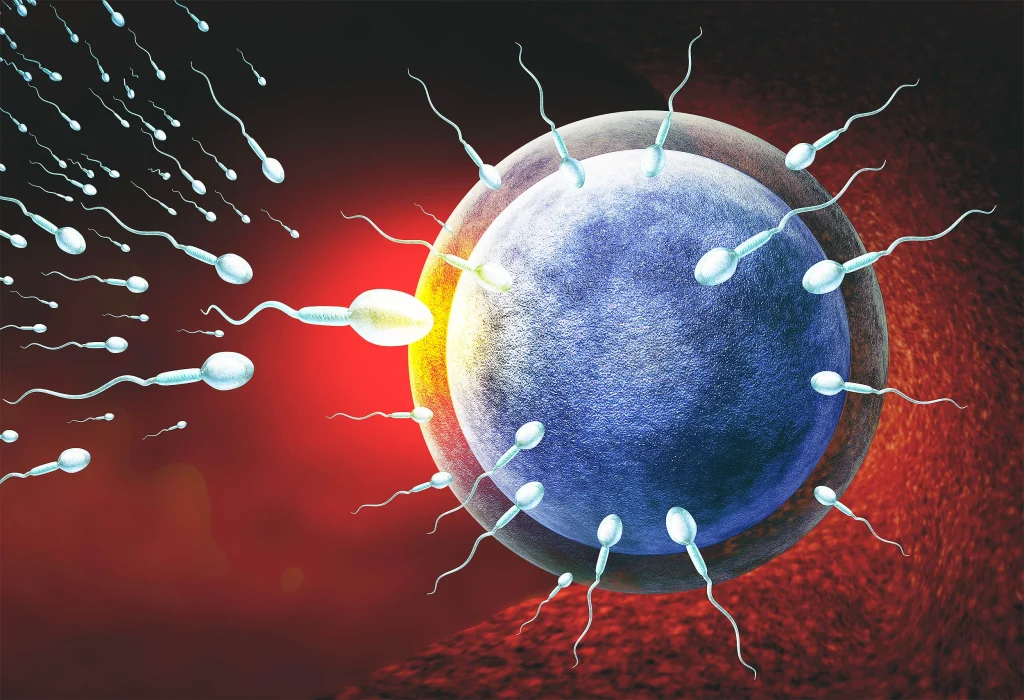
The Link Between Mental Health and Reproductive Health in Your 30s
[How to Maintain a Healthy Balance Between Mental and Reproductive Health]
Now that we have established the connection between mental health and reproductive health, let’s explore some ways to maintain a healthy balance between the two in your 30s.
1. Prioritize Self-Care: Self-care is crucial for maintaining good mental and reproductive health. This includes taking care of your physical health by eating a balanced diet, getting enough sleep, and exercising regularly. It also involves taking care of your mental well-being by setting boundaries, practicing relaxation techniques, and seeking support when needed.
2. Seek Professional Help: If you are struggling with mental health issues, it’s important to seek professional help. Therapy, medication, and support groups can all be beneficial in managing and improving mental health. Additionally, seeking help for reproductive health concerns, such as fertility treatments or menopause management, can also have a positive impact on mental well-being.
3. Communicate with Your Partner: Good communication is crucial in any relationship, especially when it comes to mental and reproductive health. It’s important to have open and honest conversations with your partner about any challenges you may be facing and to support each other through them. This can help relieve stress and strengthen your relationship.
4. Educate Yourself: It’s important to educate yourself about both mental and reproductive health to understand how they are connected and how to take care of them. Talk to your healthcare provider, read reputable sources, and attend workshops or classes to learn more about these topics.
5. Practice Stress Management Techniques: Stress can have a major impact on both mental and reproductive health, so it’s important to find healthy ways to manage it. This can include practicing mindfulness, journaling, engaging in a hobby, or seeking professional help.
[In Summary]
Your mental and reproductive health are closely intertwined, and taking care of one is crucial for the other. Poor mental health can directly impact reproductive health and vice versa. It’s important to prioritize self-care, seek professional help when needed, communicate with your partner, educate yourself, and practice stress management techniques to maintain a healthy balance between the two in your 30s.