Blog Post:
From Birth Control to Menopause: A Comprehensive Guide to Reproductive Health in Your 30s
Reproductive health is an important aspect of a person’s overall well-being, and it is crucial to pay attention to it during every stage of life. In your 30s, you are likely at a point where you have established yourself in your career and personal life, and may be considering starting a family or making important decisions about your reproductive health. In this comprehensive guide, we will discuss everything you need to know about reproductive health in your 30s, from birth control to menopause.
Birth Control Options
In your 30s, you may be considering different birth control options, whether you are looking to prevent pregnancy or regulate your menstrual cycle. There are various types of birth control available, and it is essential to choose the one that best suits your needs. Hormonal birth control methods, such as the pill, patch, or ring, are popular choices as they are highly effective in preventing pregnancy and can also help regulate your menstrual cycle. However, it is important to note that hormonal birth control may not be suitable for everyone and can have side effects. It is always best to discuss your options with your healthcare provider to find the right method for you.
Fertility and Family Planning
As you enter your 30s, your fertility may start to decline. This does not mean that you cannot get pregnant, but it may take longer for you to conceive. If you are planning to start a family, it is important to be aware of your fertility and understand the best time to try to conceive. Tracking your menstrual cycle and using ovulation prediction kits can help you determine the most fertile days of your cycle. It is also essential to maintain a healthy lifestyle, including regular exercise, a balanced diet, and managing stress to improve your chances of getting pregnant.
Pregnancy and Prenatal Care
If you are planning to start a family in your 30s, it is important to understand the potential risks and challenges that may come with pregnancy at this age. As you get older, there is a higher risk of complications such as gestational diabetes, high blood pressure, and genetic abnormalities in the baby. Therefore, it is crucial to receive regular prenatal care and follow the recommendations of your healthcare provider. This may include taking prenatal vitamins, attending regular check-ups, and monitoring your health and the health of your baby.
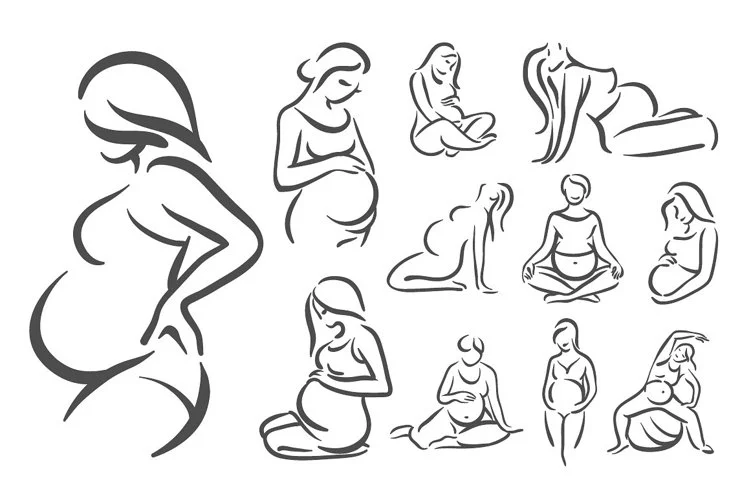
From Birth Control to Menopause: A Comprehensive Guide to Reproductive Health in Your 30s
Sexually Transmitted Infections (STIs)
Even though you may be in a committed relationship, it is still important to protect yourself from sexually transmitted infections (STIs). In your 30s, you may have had multiple sexual partners, which can increase your risk of STIs. It is essential to practice safe sex by using condoms and getting tested regularly, especially if you have a new partner. If you do test positive for an STI, it is important to seek treatment and inform your partner to prevent further spread of the infection.
Menopause and Perimenopause
In your late 30s and early 40s, you may start to experience symptoms of perimenopause, which is the transitional stage before menopause. Perimenopause can cause changes in your menstrual cycle, mood swings, and other symptoms such as hot flashes and night sweats. It is important to understand that every person’s experience with menopause is unique, and it is essential to discuss any concerns or symptoms with your healthcare provider. They can help you manage any discomfort and provide guidance on hormone replacement therapy if needed.
Self-Care and Mental Health
In your 30s, it is essential to prioritize self-care and your mental health. With the pressures of work, family, and other responsibilities, it is easy to neglect your own well-being. However, taking care of yourself is crucial for your overall health, including reproductive health. Managing stress, getting enough sleep, and engaging in activities that bring you joy can help improve your mental and emotional well-being. It is also important to seek help if you are experiencing mental health issues such as anxiety or depression.
In conclusion, your 30s are a critical time for reproductive health, as you may be making important decisions about your fertility, pregnancy, and menopause. It is essential to stay informed, prioritize your well-being, and seek guidance from your healthcare provider to ensure you are taking care of your reproductive health in the best way possible.
Summary:
Reproductive health is important at every stage of life, including in your 30s when you may be considering starting a family or making decisions about your fertility and menopause. This comprehensive guide covers everything you need to know about reproductive health in your 30s, including birth control options, fertility and family planning, pregnancy and prenatal care, STI prevention, menopause, and self-care and mental health. It is crucial to prioritize your well-being and seek guidance from your healthcare provider to ensure you are taking care of your reproductive health in the best way possible.