Redefining Family: The Impact of LGBTQ+ Fertility on Society
The concept of family has evolved significantly over the years, shifting from the traditional nuclear family of a married heterosexual couple with children to a more diverse and inclusive understanding of what makes up a family. One of the most significant factors contributing to this change is the growing acceptance and visibility of the LGBTQ+ community. With this acceptance comes a new conversation surrounding LGBTQ+ fertility and the impact it has on society. In this blog post, we will explore the ways in which the LGBTQ+ community is redefining the concept of family and the various implications it has on society as a whole.
The History of LGBTQ+ Fertility
For a long time, the idea of LGBTQ+ individuals having children was considered taboo and even illegal in some places. Same-sex marriage was not legalized in the United States until 2015, and prior to that, same-sex couples faced numerous legal barriers to adopting or having biological children. However, as societal attitudes towards the LGBTQ+ community have become more accepting, so have the laws and opportunities for LGBTQ+ individuals and couples to become parents.
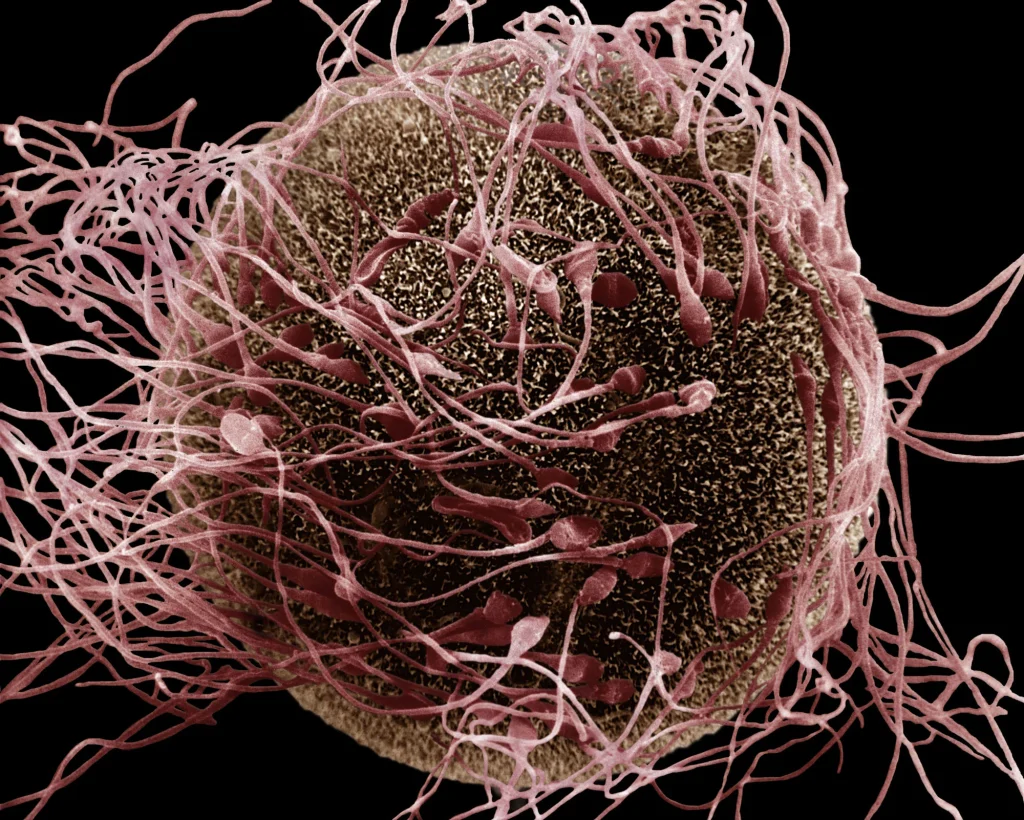
One significant milestone in the history of LGBTQ+ fertility is the advent of assisted reproductive technology (ART). This includes methods such as in vitro fertilization (IVF), intrauterine insemination (IUI), and surrogacy. These technologies have opened up new possibilities for LGBTQ+ individuals and couples to have biological children, whether through donor sperm, donor eggs, or gestational surrogacy. While these methods can be expensive and not accessible to everyone, they have provided a way for LGBTQ+ individuals to have a genetic connection to their children, something that was previously not an option.
Redefining Family
The traditional notion of family as a married heterosexual couple with children is no longer the only accepted model. The LGBTQ+ community has challenged and redefined this concept, showcasing that love, commitment, and a supportive environment are the foundation of a family, regardless of sexual orientation or gender identity. LGBTQ+ families come in all shapes and sizes, including single parents, co-parenting arrangements, and blended families.
Furthermore, LGBTQ+ individuals and couples have also opened up the conversation around chosen families. These are supportive networks of friends, partners, and community members who may not have a biological or legal connection but are just as important and meaningful as traditional family members. This idea of chosen families has been especially significant for LGBTQ+ individuals who may have been rejected by their biological families due to their sexual orientation or gender identity.
Redefining Family: The Impact of LGBTQ+ Fertility on Society
The Impact on Society
The increasing visibility and acceptance of LGBTQ+ individuals and families have had a significant impact on society. One of the most prominent effects is the breaking down of traditional gender roles and expectations within families. In same-sex relationships, there is no predetermined division of labor or responsibilities based on gender, allowing for a more equitable distribution of household and child-rearing duties. This challenges the traditional idea of the patriarchal family structure and promotes a more equal and inclusive approach to parenting.
Moreover, the presence of LGBTQ+ parents and families in society has a positive impact on children. Studies have shown that children raised by same-sex parents do not differ significantly from children raised by opposite-sex parents in terms of their emotional, social, and academic development. In fact, children raised in LGBTQ+ families tend to have more open and accepting attitudes towards diversity and differences, contributing to a more inclusive and tolerant society as a whole.
Challenges and Progress
Despite the progress made in the acceptance and visibility of LGBTQ+ families, there are still challenges that they face. One of the most significant challenges is legal recognition and protection. While same-sex marriage is now legal in many countries, there are still places where it is not recognized, making it difficult for same-sex couples to have the same rights and protections as opposite-sex couples. Additionally, LGBTQ+ families face discrimination and prejudice in areas such as housing, healthcare, and education, which can create barriers to them fully participating in society.
However, there have been significant strides towards equality and recognition for LGBTQ+ families. In 2016, the United Nations Human Rights Council passed a resolution recognizing the importance of protecting the rights of LGBTQ+ families. Many countries have also enacted laws and policies to protect the rights of LGBTQ+ parents, and there has been an increase in representation and visibility of LGBTQ+ families in mainstream media.
In Conclusion
The LGBTQ+ community has had a significant impact on society’s understanding and definition of family. With the acceptance and visibility of LGBTQ+ families, the traditional notion of a family has been challenged and redefined, promoting a more inclusive and diverse understanding. The presence of LGBTQ+ families has also had a positive impact on society, breaking down traditional gender roles and promoting acceptance and tolerance. Despite the challenges that still exist, progress has been made towards equality and recognition for LGBTQ+ families, paving the way for a more inclusive future.
Summary: The increasing acceptance and visibility of the LGBTQ+ community have challenged and redefined society’s understanding of family. With the advent of assisted reproductive technology, the LGBTQ+ community has been able to have biological children and create diverse family structures. This has had a positive impact on society, promoting equality and breaking down traditional gender roles. However, there are still challenges that LGBTQ+ families face, but progress has been made towards recognition and equality.