Blog Post:
The journey to becoming a parent can be a challenging one, especially for couples struggling with fertility issues. In recent years, more and more people have turned to alternative forms of medicine to help with fertility, and one such practice that has gained popularity is acupuncture.
Acupuncture is an ancient Chinese form of traditional medicine that involves the insertion of thin needles into specific points on the body to stimulate energy flow and promote healing. While it has been used for centuries to treat various health conditions, including pain and stress, it has also been found to have a positive impact on fertility.
To understand the role of acupuncture in fertility, we spoke to experts in the field who shared their insights and experiences.
1. How does acupuncture help with fertility?
According to Dr. Sooji Lee, a California-based licensed acupuncturist and herbalist, acupuncture can help with fertility in several ways. “It can regulate the menstrual cycle, improve ovarian function, and reduce stress and anxiety levels, all of which can contribute to infertility,” she explains.
Acupuncture is believed to stimulate the release of hormones that play a crucial role in the reproductive process. It can also increase blood flow to the uterus and ovaries, improving their function and increasing the chances of conception.
2. Is there any scientific evidence to support the use of acupuncture for fertility?
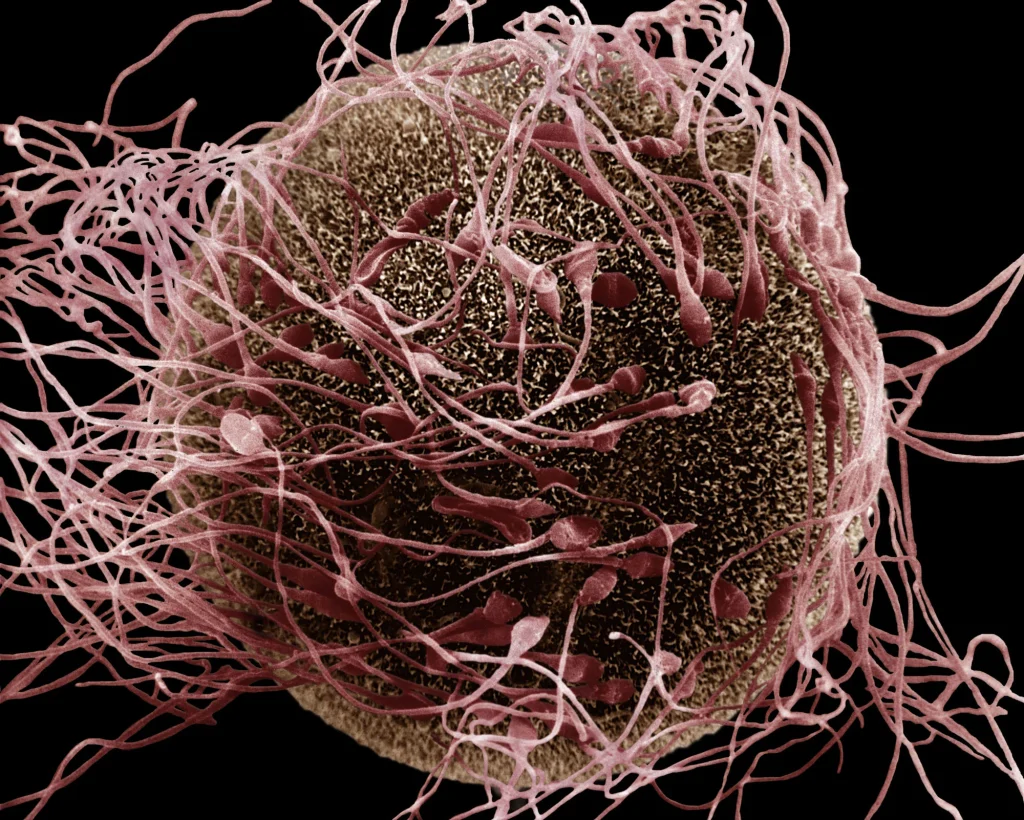
While there is limited research on the direct impact of acupuncture on fertility, many studies have shown its positive effects on reproductive health. A study published in the Journal of Clinical Acupuncture found that acupuncture can improve the quality of sperm and increase sperm count in infertile men.
Another study published in the journal Fertility and Sterility showed that acupuncture can increase pregnancy rates in women undergoing in-vitro fertilization (IVF). The study found that women who received acupuncture before and after embryo transfer had a significantly higher pregnancy rate compared to those who did not.
3. Can acupuncture be used in combination with other fertility treatments?
Absolutely. In fact, many fertility clinics now offer acupuncture as a complementary treatment to conventional methods such as IVF. “Acupuncture can enhance the effects of fertility treatments, such as IVF, by preparing the body for pregnancy and supporting the implantation of the embryo,” says Dr. Lee.
The Role of Acupuncture in Fertility: Expert Insights
Acupuncture can also help alleviate the side effects of fertility medications, such as bloating, mood swings, and insomnia, making the process more bearable for patients.
4. How often should one undergo acupuncture for fertility?
The frequency of acupuncture sessions for fertility can vary depending on the individual’s specific needs and goals. “For best results, I recommend weekly sessions for at least three months before trying to conceive,” says Dr. Lee. However, she adds that acupuncture can also be beneficial during pregnancy to support a healthy pregnancy and prepare for labor.
5. Are there any risks associated with acupuncture for fertility?
As with any medical procedure, there are some risks associated with acupuncture, including bruising, soreness, and infection. However, these risks are minimal when performed by a licensed and experienced acupuncturist.
Dr. Lee also advises that pregnant women should only receive acupuncture from practitioners who specialize in fertility and are knowledgeable about the points that should be avoided during pregnancy.
6. Are there any lifestyle changes that can enhance the effects of acupuncture for fertility?
Dr. Lee emphasizes the importance of maintaining a healthy lifestyle to enhance the effects of acupuncture for fertility. This includes eating a balanced diet, exercising regularly, and managing stress levels. “Acupuncture can be a powerful tool for fertility, but it is not a magic bullet. It works best when combined with a healthy lifestyle and other fertility treatments,” she says.
In summary, acupuncture can have a positive impact on fertility by regulating the menstrual cycle, improving reproductive function, and reducing stress and anxiety levels. While there is limited scientific evidence, many studies have shown its effectiveness in improving sperm quality and increasing pregnancy rates in women undergoing fertility treatments. Acupuncture can also be used in combination with other fertility treatments and is generally considered safe when performed by a licensed and experienced practitioner.
If you are struggling with fertility issues, consider incorporating acupuncture into your treatment plan. With its potential benefits and minimal risks, it may just be the missing piece in your journey to parenthood.
Summary:
Acupuncture, an ancient Chinese form of traditional medicine, has gained popularity in recent years for its potential role in improving fertility. According to experts, acupuncture can regulate the menstrual cycle, improve reproductive function, and reduce stress and anxiety levels, all of which can contribute to infertility. While there is limited scientific evidence, studies have shown its positive effects on sperm quality and pregnancy rates in women undergoing fertility treatments. It can also be used in combination with other treatments and is generally considered safe when performed by a licensed and experienced practitioner. Maintaining a healthy lifestyle can also enhance the effects of acupuncture for fertility. If you are struggling with fertility issues, consider incorporating acupuncture into your treatment plan for its potential benefits.