Blog Post:
In recent years, egg freezing has gained popularity as a way for women to preserve their fertility and have children later in life. This procedure involves retrieving a woman’s eggs, freezing them, and storing them until she is ready to use them. While egg freezing can offer many benefits, it is a decision that should not be taken lightly. Before considering this option, it is important to understand the process, the potential risks and side effects, and what to expect when seeing a fertility specialist. In this blog post, we will discuss everything you need to know before making an appointment with a fertility specialist for egg freezing.
What is Egg Freezing and How Does it Work?
Egg freezing, also known as oocyte cryopreservation, is a medical procedure that involves retrieving a woman’s eggs from her ovaries, freezing them, and storing them for future use. This process is similar to in-vitro fertilization (IVF), where eggs are retrieved, fertilized with sperm, and then implanted into the woman’s uterus. However, with egg freezing, the eggs are not fertilized and are instead frozen indefinitely.
The process of egg freezing begins with a woman undergoing ovarian stimulation, where she will take hormones to stimulate her ovaries to produce multiple eggs. This usually takes around 10-14 days and is monitored by a fertility specialist through ultrasounds and blood tests. Once the eggs are mature, they are retrieved through a minor surgical procedure called transvaginal ultrasound aspiration. The eggs are then frozen using a process called vitrification, which involves rapidly cooling the eggs to prevent ice crystals from forming and damaging the eggs.
Why Do Women Consider Egg Freezing?
Egg freezing is often considered by women who want to delay childbearing for various reasons. These may include focusing on their careers, not having found a suitable partner, or wanting to wait until they are financially stable. By freezing their eggs, women can have peace of mind knowing that they have the option to have children later in life when they are ready.
Additionally, women who are facing medical procedures such as chemotherapy or radiation therapy that may affect their fertility may also consider egg freezing. This allows them to preserve their eggs and have a chance of having biological children in the future.
Risks and Side Effects of Egg Freezing
While egg freezing may seem like a simple and safe procedure, it does come with potential risks and side effects. The most common side effects include bloating, cramping, and discomfort in the days following the egg retrieval procedure. These symptoms are usually mild and can be managed with over-the-counter pain medication.
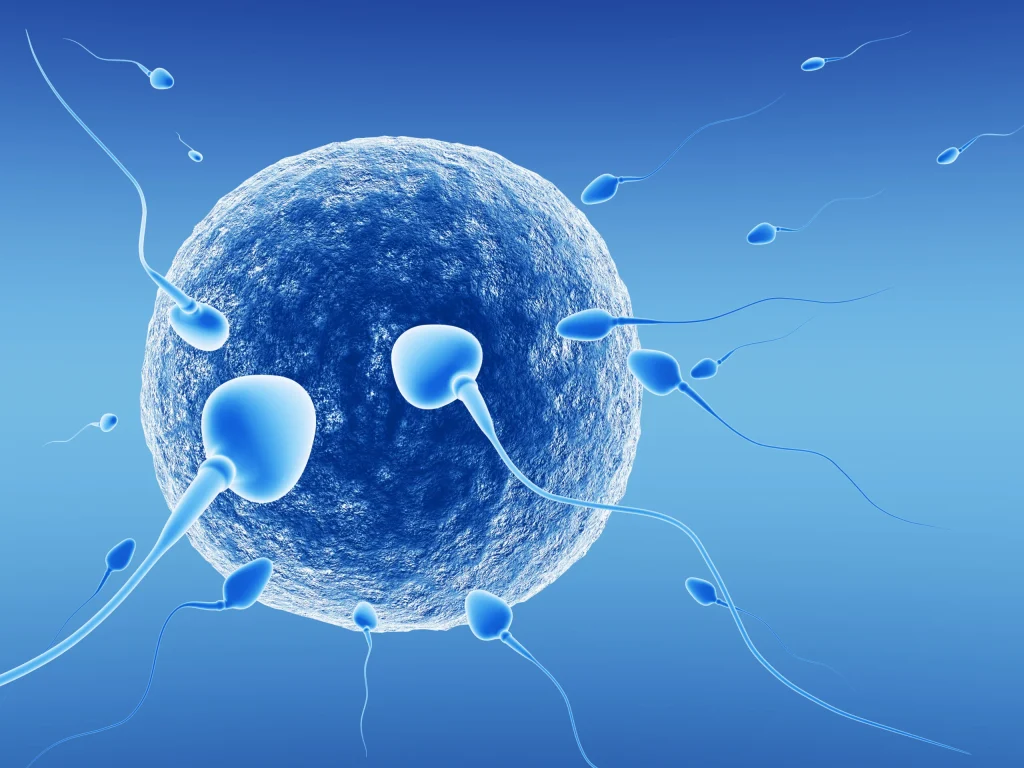
and Considering Egg Freezing: What You Need to Know Before Seeing a Fertility Specialist
There is also a small risk of ovarian hyperstimulation syndrome, a condition in which the ovaries become swollen and painful due to the use of hormones to stimulate egg production. This can occur in less than 1% of cases and is typically managed with rest and medication.
It is important to note that the long-term effects of egg freezing are still unknown, as the procedure is relatively new. While studies have shown that there is no increased risk of birth defects or developmental delays in children born from frozen eggs, more research is needed to fully understand the long-term effects.
What to Expect When Seeing a Fertility Specialist
If you are considering egg freezing, the first step is to make an appointment with a fertility specialist. They will conduct a thorough evaluation of your health and fertility to determine if you are a good candidate for the procedure. This may include a physical exam, blood tests, and an ultrasound to assess your ovarian reserve (the number of eggs you have remaining).
During your consultation, your fertility specialist will also discuss the process in detail, including the risks, potential outcomes, and costs. It is essential to have a clear understanding of what to expect before making a decision. Your specialist will also explain the success rates of egg freezing, which can vary depending on your age and the number of eggs retrieved.
It is crucial to keep in mind that egg freezing does not guarantee a successful pregnancy in the future. It simply gives you the option to try to conceive with your own eggs later on. Your fertility specialist will go over your individual chances of success based on your age, health, and other factors.
Conclusion
Egg freezing can offer women the opportunity to have children later in life, but it is not a decision to be taken lightly. It is essential to understand the process, risks, and potential outcomes before considering this option. Seeing a fertility specialist is a crucial step in this process, as they can provide you with all the information you need to make an informed decision.
If you are interested in egg freezing, make sure to do your research and consult with a reputable fertility specialist. They will guide you through the entire process and answer any questions or concerns you may have. And remember, while egg freezing can offer hope for the future, it is essential to also consider other options such as adoption or using a sperm or egg donor if necessary.
In summary, egg freezing is a procedure that involves retrieving a woman’s eggs, freezing them, and storing them for future use. It is often considered by women who want to delay childbearing for various reasons. While it can offer many benefits, it is essential to understand the process, potential risks and side effects, and what to expect when seeing a fertility specialist. By doing your research and seeking guidance from a reputable specialist, you can make an informed decision about whether egg freezing is the right choice for you.