Blog Post: Common Concerns About Donor Eggs Addressed
The decision to use donor eggs for fertility treatment can be a daunting one. It is natural for intended parents to have concerns and questions about the process. In this blog post, we will address some common concerns about donor eggs and provide information to help ease any worries or uncertainties.
Concern #1: Will the baby look like me?
One of the most common concerns among intended parents considering donor eggs is whether the child will look like them. While the baby may not share genetic characteristics with the intended mother, there are still ways to ensure a connection. Intended parents can choose a donor who resembles them physically or has similar traits or interests. Additionally, many donor egg agencies offer photo matching services to help find a donor who closely resembles the intended parents. It is also important to remember that a strong emotional bond is what truly makes a parent-child relationship, not physical appearance.
Concern #2: Will I bond with the baby?
Another concern for intended parents is whether they will be able to bond with a child who is not genetically related to them. While this may be a legitimate concern, studies have shown that the bond between a parent and child is not dependent on genetics. The experience of carrying a pregnancy and giving birth to a child, as well as the daily care and love provided, can create a strong bond between a parent and child, regardless of genetic ties. It is also important to remember that many families are formed through adoption, surrogacy, or blended families, and those parents have no genetic ties to their children, yet still have strong, loving relationships with them.
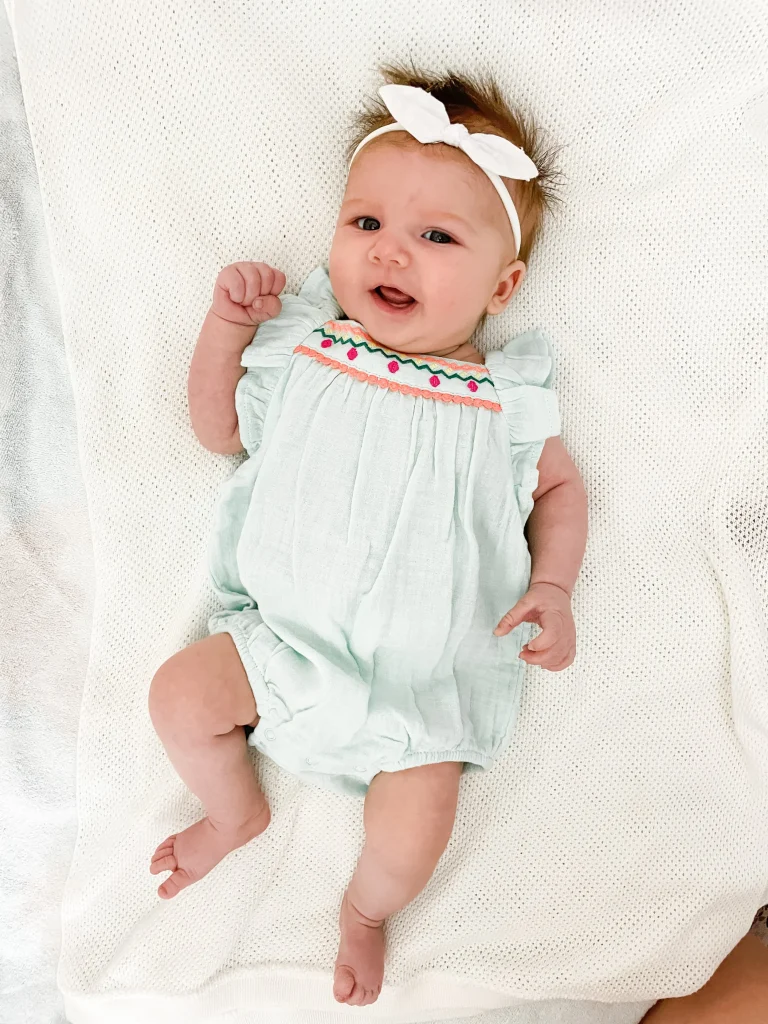
Common Concerns About Donor Eggs Addressed
Concern #3: Can I be involved in the egg donor selection process?
Some intended parents fear that they will have no say in the selection of the egg donor. However, this is not the case. Intended parents have the option to choose an anonymous donor through an agency or to work with a known donor, such as a family member or friend. With an anonymous donor, intended parents can view donor profiles and select a donor who they feel is the best fit for their family. They can also request additional information or photos of the donor before making a final decision. With a known donor, intended parents have the opportunity to be more involved in the selection process and have a personal connection with the donor.
Concern #4: Will the donor have any legal rights to the child?
This is a common concern among intended parents, but it is important to understand the legalities involved in using donor eggs. In most cases, the egg donor signs away all legal rights to the child before the egg retrieval process. This means that the intended parents will have full legal rights to the child and the donor will have no legal claims or obligations. It is important to work with a reputable donor agency that follows all legal protocols and provides clear contracts to protect all parties involved.
Concern #5: Will the child have any health or genetic issues?
It is natural for intended parents to be concerned about the health and genetic background of the egg donor. However, all egg donors go through a thorough screening process before being accepted into a donor program. This includes medical and genetic testing to ensure the donor is healthy and has no known genetic conditions. Additionally, intended parents have the option to request additional testing or information about the donor’s health and medical history. It is also important to note that all pregnancies, whether conceived naturally or through donor eggs, carry a certain level of risk, but these risks can be managed and monitored by a healthcare provider.
Concern #6: Can I still have a genetic connection to the child?
For some intended parents, the idea of not having a genetic connection to their child may be difficult to accept. However, there are options available to help create a genetic connection. Some parents choose to use their partner’s sperm for fertilization, while others opt for a technique called egg donation with sperm from the intended father (EDF). This process involves fertilizing the donated egg with the intended father’s sperm, creating a genetic connection to the child. It is important to discuss these options with a fertility specialist to determine the best course of action for your family.
In summary, using donor eggs for fertility treatment may come with some concerns and uncertainties, but there are ways to address and overcome them. With careful consideration, communication, and support from a reputable donor agency and fertility specialist, intended parents can have a positive and fulfilling experience building their family through donor eggs. Remember, what truly makes a family is love, not genetics.