Cryopreservation and Cryonics: What’s the Difference?
Cryopreservation and cryonics are two terms that are often used interchangeably, but they actually refer to two distinct processes. Both involve the preservation of human specimens at extremely low temperatures, but they have different purposes and methods. In this blog post, we will explore the differences between cryopreservation and cryonics, including their definitions, processes, and applications.
Cryopreservation is the process of preserving living cells and tissues at very low temperatures, usually below -130°C, in order to maintain their viability for future use. This technique is commonly used in scientific research and medical fields, such as in vitro fertilization, organ transplantation, and stem cell research. The goal of cryopreservation is to prevent the cells and tissues from deteriorating or dying due to natural biochemical processes.
The process of cryopreservation involves a series of steps that must be carefully controlled to ensure the viability of the specimens. The first step is to prepare the cells or tissues by removing any excess water and adding a cryoprotectant solution. This solution helps to prevent the formation of ice crystals, which can damage the cells during the freezing process. The specimens are then cooled down gradually to a temperature of around -80°C, before being transferred to a storage unit, such as a liquid nitrogen tank, where they can be stored for long periods of time.
One of the key benefits of cryopreservation is its ability to preserve living cells and tissues for an indefinite period of time. This makes it a valuable tool for research and medical purposes, as it allows for the storage of rare or valuable specimens that can be used for future experiments or treatments. Cryopreservation also allows for the transportation of specimens over long distances, as they can be stored and transported in a frozen state.
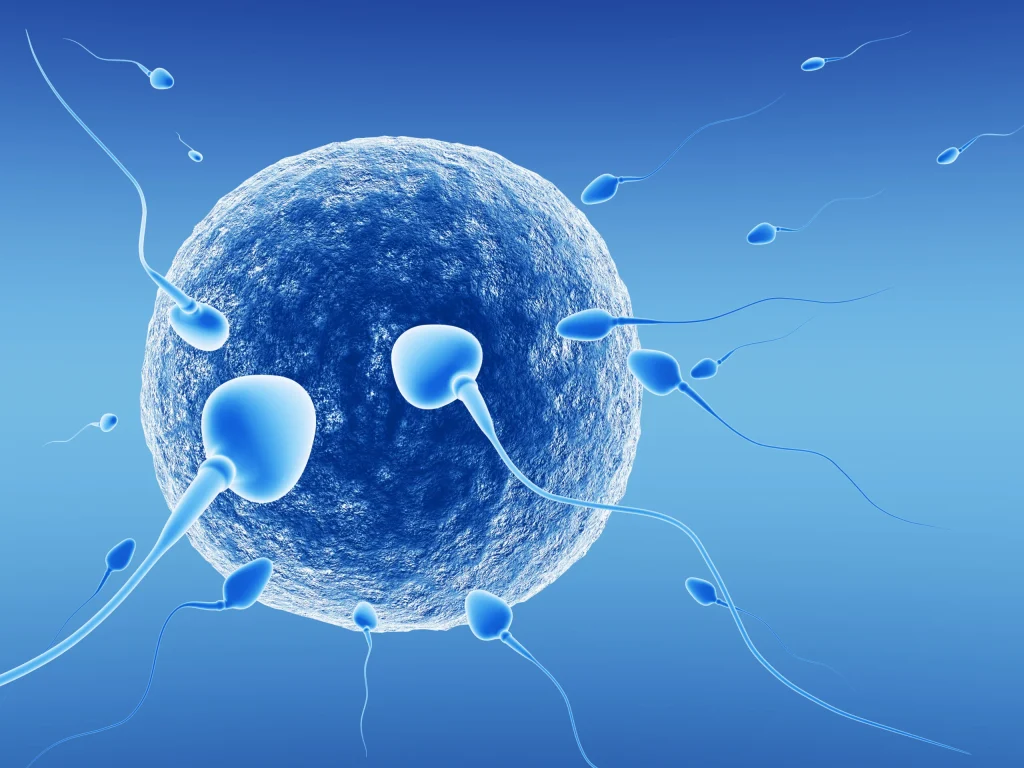
Cryopreservation and Cryonics: What's the Difference?
On the other hand, cryonics refers to the process of preserving humans and animals at very low temperatures, usually below -130°C, with the hope of reviving them in the future. This process is based on the belief that in the future, medical technology will advance to the point where it will be possible to revive frozen individuals and cure them of any diseases or conditions that caused their death. Cryonics is a controversial topic, with many ethical and scientific debates surrounding its feasibility and morality.
The process of cryonics is similar to cryopreservation, but it involves cooling down the entire body, rather than just specific cells or tissues. The first step in cryonics is to cool the body to a temperature of around -130°C, using a process called vitrification. This involves replacing the body’s fluids with a cryoprotectant solution and then cooling it down using liquid nitrogen. The body is then stored in a specialized facility, where it is kept at a constant temperature to prevent any deterioration.
One of the main differences between cryopreservation and cryonics is the purpose behind the process. While cryopreservation is used for research and medical purposes, cryonics is focused on preserving human life. Cryonics also poses some unique challenges, as the process of reviving a frozen body is still purely theoretical and has not yet been successfully achieved. This has led to skepticism and criticism from the scientific community.
Despite these challenges, cryonics continues to gain interest and support from individuals who see it as a way to potentially extend their lives or even achieve immortality. However, there are also legal and ethical concerns surrounding cryonics, as it raises questions about what defines death and the implications of bringing someone back to life after being frozen for an extended period of time.
In summary, cryopreservation and cryonics are two distinct processes that involve preserving specimens at extremely low temperatures. Cryopreservation is used for research and medical purposes, while cryonics is focused on potentially reviving frozen individuals in the future. While cryopreservation has proven to be a valuable tool in science and medicine, cryonics is still a controversial and unproven practice.