Preparing for Fertility Testing: What to Expect
When a couple is struggling to conceive, it can be a frustrating and emotional journey. However, seeking fertility testing can provide valuable information and help determine the best course of action for achieving a successful pregnancy. If you and your partner have decided to undergo fertility testing, here are some things you can expect during the process.
1. Initial Consultation
The first step in fertility testing is usually an initial consultation with a fertility specialist. This appointment will involve discussing your medical history, any previous attempts at conception, and any potential risk factors that may affect your fertility. Your doctor will also perform a physical exam and may order some initial tests.
2. Blood Tests
Blood tests are a common part of fertility testing, as they can provide valuable information about hormone levels and potential issues with egg production or ovulation. Your doctor may test for levels of follicle-stimulating hormone (FSH), luteinizing hormone (LH), estrogen, progesterone, and thyroid-stimulating hormone (TSH). These tests can help identify potential problems with the functioning of your reproductive system.
3. Semen Analysis
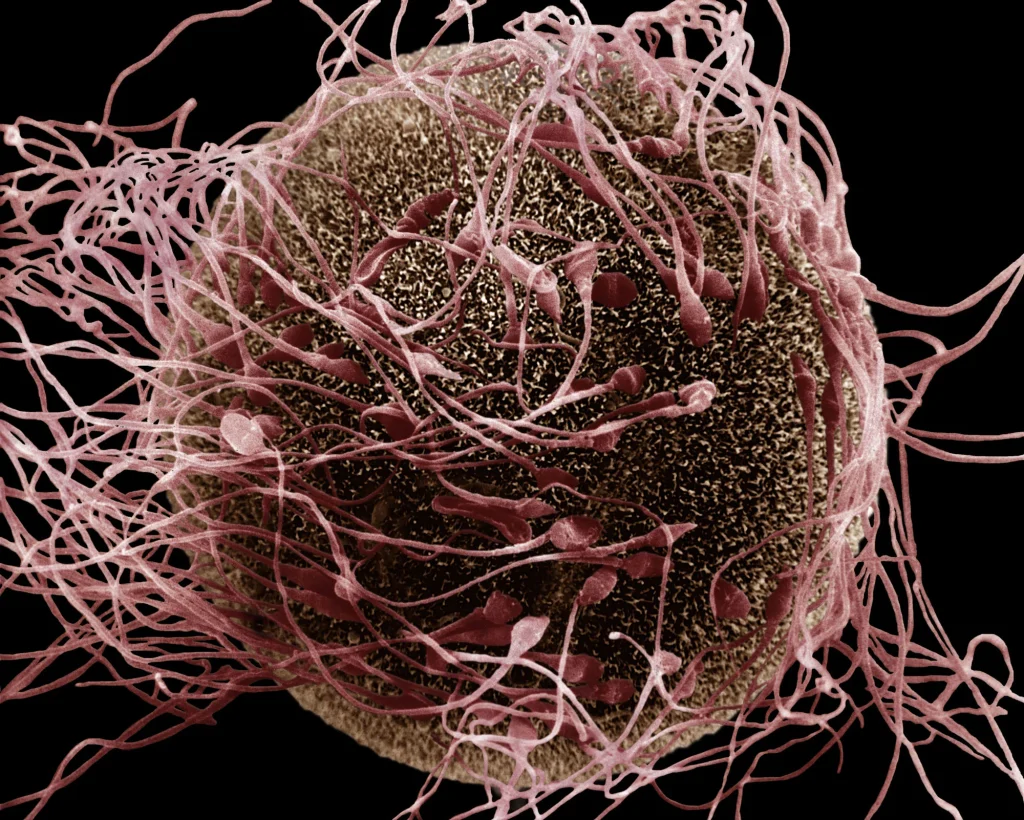
Fertility testing is not just for women; men play an important role in the conception process as well. A semen analysis is a standard test performed to evaluate the quality and quantity of a man’s sperm. This test can help identify any issues with sperm count, motility, or shape that may be hindering conception.
4. Imaging Tests
Imaging tests, such as ultrasounds, can provide a visual of your reproductive organs and help identify any structural issues that may be affecting fertility. For women, an ultrasound can reveal issues with the uterus or ovaries, such as fibroids or cysts. Men may undergo a scrotal ultrasound to look for any abnormalities with the testicles or other structures.
Preparing for Fertility Testing: What to Expect
5. Ovulation Monitoring
If you are struggling to conceive, your doctor may want to monitor your ovulation cycle to determine if you are ovulating regularly. This can be done through blood tests, urine tests, or ultrasound monitoring. Tracking your ovulation can help identify the best time to try to conceive and can also reveal any potential issues with ovulation.
6. Genetic Testing
In some cases, fertility testing may include genetic testing to identify any genetic conditions or disorders that may be affecting your fertility. This can be especially helpful for couples who have a family history of genetic disorders or for those who have experienced multiple miscarriages.
7. Hysterosalpingogram (HSG)
A hysterosalpingogram, or HSG, is an imaging test that involves injecting dye into the uterus and fallopian tubes to evaluate their structure and function. This test can help identify any blockages or abnormalities that may be preventing pregnancy.
8. Psychological Evaluation
Fertility testing can be emotionally taxing, so it is not uncommon for doctors to recommend a psychological evaluation for couples undergoing this process. This can help identify any underlying emotional issues that may be affecting fertility and provide resources for coping with the stress of trying to conceive.
9. Follow-Up Appointment
Once all the necessary tests have been completed, your doctor will schedule a follow-up appointment to discuss the results and determine the best course of action. Depending on the findings, your doctor may recommend fertility treatments or refer you to a specialist for further evaluation.
In conclusion, fertility testing can be a daunting process, but it is an essential step in understanding and addressing any potential fertility issues. By knowing what to expect and being prepared, you and your partner can navigate this journey with more confidence and understanding.