Blog Post:
The use of donor sperm has been a common practice in assisted reproductive technology (ART) for decades, allowing individuals and couples to fulfill their dreams of parenthood. However, with advancements in technology, the future of donor sperm and ART is constantly evolving. In this blog post, we will explore the future of donor sperm and the potential impact of new advancements in ART.
The History of Donor Sperm
The use of donor sperm can be traced back to the early 1900s, when scientists first began experimenting with artificial insemination. However, it wasn’t until the 1950s that the first successful pregnancy using donor sperm was reported. This was a major breakthrough for individuals and couples struggling with infertility, as it provided them with a new avenue for starting a family.
Over the years, the use of donor sperm has become more widely accepted and accessible. Sperm banks, which collect and distribute donor sperm, have become a vital part of the ART industry. In the past, donor sperm was primarily used for heterosexual couples struggling with male infertility. However, with the rise of same-sex marriages and single-parent households, the use of donor sperm has expanded to include individuals and couples from all walks of life.
The Current State of Donor Sperm and ART
Today, the demand for donor sperm continues to grow, with an estimated 20,000 donor insemination cycles performed annually in the United States alone. However, the process of obtaining and using donor sperm can still be complex and costly. Sperm banks typically have strict donor screening processes and limited supplies, which can result in long wait times and high costs for individuals and couples.
In addition, the success rates of ART using donor sperm can vary greatly depending on factors such as age and fertility issues. While the success rate for fresh donor sperm insemination is around 20%, the use of frozen donor sperm can result in success rates of up to 50%. This is due to advancements in cryopreservation techniques, which allow for the freezing and storing of sperm for longer periods of time.
The Future of Donor Sperm and ART
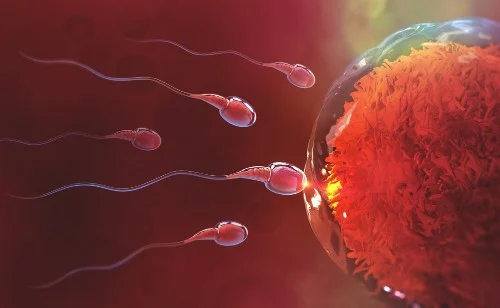
The Future of Donor Sperm and Advances in Assisted Reproductive Technology
As technology continues to progress, the future of donor sperm and ART is filled with possibilities. One major development is the use of advanced genetic testing for donor sperm. With this technology, sperm banks can screen for genetic diseases and disorders, providing individuals and couples with a wider range of healthy donor options. This also reduces the risk of passing on genetic conditions to the child.
Another exciting advancement is the use of artificial intelligence (AI) in sperm selection. AI technology can analyze sperm samples and select the healthiest and most viable sperm for fertilization, increasing the chances of a successful pregnancy. This not only streamlines the process for individuals and couples, but also reduces the need for multiple insemination cycles.
Furthermore, advancements in stem cell research and regenerative medicine may also have a significant impact on donor sperm and ART. Scientists are exploring the possibility of creating sperm from stem cells, which could potentially eliminate the need for donor sperm altogether. This could also open up new possibilities for same-sex couples and individuals with fertility issues.
Challenges and Controversies
While the future of donor sperm and ART is exciting, there are also challenges and controversies that need to be addressed. One of the main concerns is the lack of regulation and oversight in the industry. With the rise of online sperm donation, there is a risk of potential health and safety issues for both donors and recipients. It is important for governments and regulatory bodies to establish guidelines and standards for the collection and distribution of donor sperm.
In addition, the ethical implications of advancements in ART, such as creating sperm from stem cells, need to be carefully considered. There are concerns about the potential for designer babies and the impact on the gene pool. It is crucial for ethical and moral considerations to be taken into account in the development and use of these technologies.
Summary
The use of donor sperm and ART has come a long way since its inception, and the future looks promising with new advancements in technology. From genetic testing and AI sperm selection to stem cell research, the potential for improvements in success rates and the elimination of donor sperm altogether is on the horizon. However, it is crucial for ethical and regulatory considerations to be taken into account as these technologies continue to evolve.
In conclusion, the future of donor sperm and ART is constantly evolving and holds great potential for individuals and couples struggling with infertility. With advancements in technology, we may see a shift in the way donor sperm is obtained and used, ultimately making the process more accessible, affordable, and successful.