Sperm Washing and PCOS: A Viable Treatment Option for Women
Polycystic Ovary Syndrome (PCOS) affects approximately 1 in 10 women of childbearing age, making it one of the most common hormonal disorders in women. This condition is characterized by hormonal imbalances, irregular menstrual cycles, and the development of cysts on the ovaries. PCOS can also lead to difficulties in conceiving, which can be frustrating for women who are trying to start a family. While there are various treatments available for PCOS, one lesser-known option is sperm washing. In this blog post, we will explore the concept of sperm washing and how it can be a viable treatment option for women with PCOS.
What is Sperm Washing?
Sperm washing is a medical procedure that involves separating healthy sperm from the semen sample. This process is done by using a special solution to wash the sperm and remove any impurities or dead sperm. The purified sperm is then used for artificial insemination or in vitro fertilization (IVF) to increase the chances of pregnancy. Sperm washing is typically used for couples who are facing fertility issues due to male factor infertility, but it can also be beneficial for women with PCOS.
How Does PCOS Affect Fertility?
PCOS can have a significant impact on a woman’s fertility. The hormonal imbalances caused by PCOS can lead to irregular ovulation or the absence of ovulation altogether. This means that the ovaries are not releasing an egg each month, making it difficult for women to conceive. Additionally, the presence of cysts on the ovaries can also interfere with the fertilization process. These factors combined can make it challenging for women with PCOS to get pregnant naturally.
How Can Sperm Washing Help?
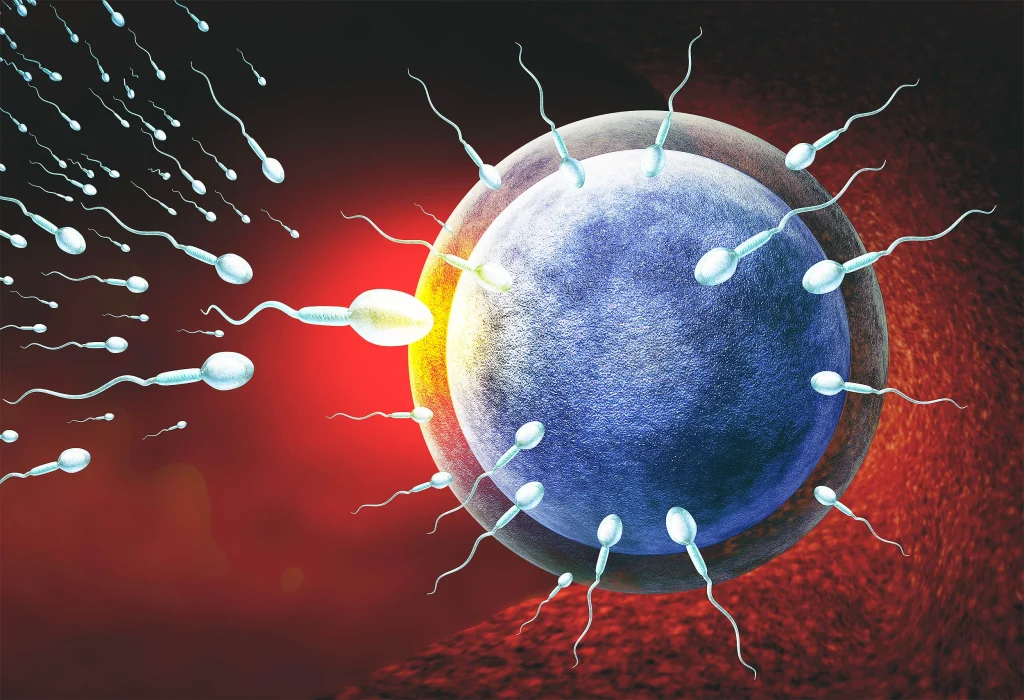
Sperm Washing and PCOS: A Viable Treatment Option for Women
Sperm washing can be a useful tool for women with PCOS who are trying to conceive. By separating the healthy sperm from the semen sample, sperm washing ensures that only the healthiest sperm are used for insemination or IVF. This increases the chances of fertilization and pregnancy, despite the hormonal imbalances and irregular ovulation associated with PCOS.
Sperm washing is also beneficial for women with PCOS who are undergoing IVF treatment. In traditional IVF, multiple eggs are retrieved and fertilized with the partner’s sperm in a lab. However, in women with PCOS, the high levels of androgens (male hormones) can affect the quality of the eggs retrieved. By using sperm washing, the best quality sperm can be selected to fertilize the eggs, increasing the chances of a successful pregnancy.
Sperm Washing vs. Other Treatments for PCOS
While there are various treatments available for PCOS, such as medication, lifestyle changes, and surgery, sperm washing offers a unique approach to addressing fertility issues caused by PCOS. Unlike other treatments, sperm washing directly targets the male factor in conception, making it a viable option for couples struggling with male factor infertility along with PCOS.
Additionally, sperm washing is a non-invasive and relatively simple procedure, making it a less stressful option for couples compared to other treatments. It also eliminates the need for multiple injections and hormonal medications, which can be beneficial for women with PCOS who are already experiencing hormonal imbalances.
Is Sperm Washing Right for You?
If you have been diagnosed with PCOS and are struggling to conceive, sperm washing may be a viable treatment option for you. However, it is essential to consult with a fertility specialist who can assess your individual situation and recommend the best course of treatment. They can also provide more information on the success rates of sperm washing compared to other treatments for PCOS.
In conclusion, sperm washing is a viable treatment option for women with PCOS who are struggling with infertility. By targeting the male factor in conception, it increases the chances of pregnancy for couples trying to start a family. While it may not be suitable for everyone, it is worth considering as a potential solution for those with PCOS and male factor infertility.