Blog Post: Sperm Washing and Chromosomal Abnormalities: Reducing the Risk of Genetic Disorders
Genetic disorders are conditions that are caused by abnormalities in an individual’s genes or chromosomes. These disorders can have a significant impact on a person’s health and quality of life, and they can also be passed down from parents to children. With advancements in medical technology, there are now methods available to reduce the risk of genetic disorders, such as sperm washing.
Sperm washing is a process used in assisted reproductive technology (ART) to separate healthy sperm from sperm that may carry genetic abnormalities. This technique involves separating sperm from the semen sample and washing it with a special solution to remove any harmful substances. The washed sperm is then used for in vitro fertilization (IVF) or intrauterine insemination (IUI) to increase the chances of a healthy pregnancy.
One of the main reasons for using sperm washing is to prevent the transmission of chromosomal abnormalities, which are a leading cause of genetic disorders. Chromosomes are the structures within cells that carry genetic information, and abnormalities in these structures can lead to various health conditions. Some common chromosomal abnormalities include Down syndrome, Turner syndrome, and Klinefelter syndrome.
During sperm washing, the sperm is examined under a microscope to check for any visible abnormalities in the number or structure of chromosomes. If any abnormalities are found, the sperm is discarded, and only the healthy sperm is used for fertilization. This reduces the risk of chromosomal abnormalities being passed down to the fetus.
Sperm washing is also effective in reducing the risk of certain genetic disorders caused by single gene mutations. These disorders, such as cystic fibrosis, sickle cell anemia, and Tay-Sachs disease, are caused by a change or mutation in a single gene. By washing the sperm and selecting only healthy sperm for fertilization, the risk of these disorders can be significantly reduced.
Moreover, sperm washing can also be combined with other techniques, such as preimplantation genetic testing (PGT), to further decrease the chances of genetic disorders. PGT involves testing the embryos created through IVF for specific genetic conditions before implantation. This allows for the selection of healthy embryos for transfer, reducing the risk of genetic disorders in the offspring.
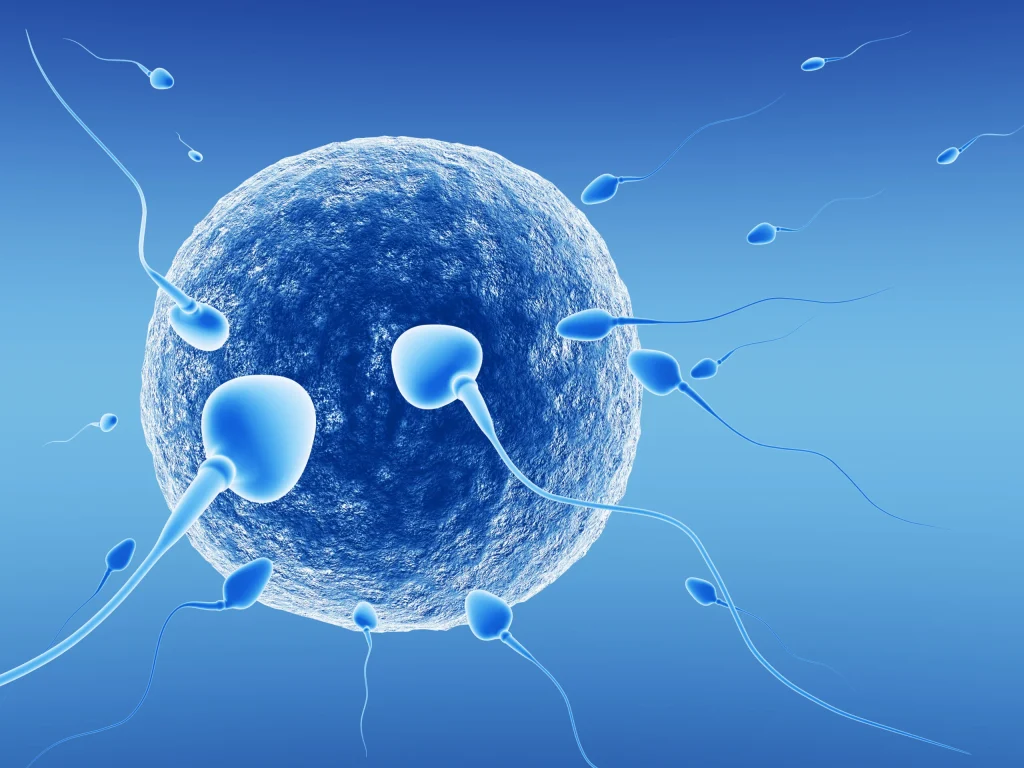
Sperm Washing and Chromosomal Abnormalities: Reducing the Risk of Genetic Disorders
Sperm washing is not only beneficial for couples who have a known risk of passing down genetic disorders, but it can also be used in cases where there is no apparent risk. For instance, as men age, the quality of their sperm can decline, increasing the chances of chromosomal abnormalities. Sperm washing can help overcome this issue and increase the chances of a healthy pregnancy.
It is essential to note that sperm washing is not a guarantee for a healthy pregnancy, as there are many factors involved. However, it is a valuable tool in reducing the risk of genetic disorders and increasing the chances of a healthy pregnancy for couples struggling with fertility issues.
In addition to its benefits in preventing genetic disorders, sperm washing also has other advantages. For instance, it can help couples with male factor infertility, where the male partner has a low sperm count or poor sperm quality. By separating and selecting the healthiest sperm, sperm washing can increase the chances of successful fertilization, leading to a viable pregnancy.
Furthermore, sperm washing can also be used for couples where the male partner has a viral infection, such as HIV or Hepatitis B. The washing process can remove any viral particles from the sperm, reducing the risk of transmission to the female partner and the offspring.
In conclusion, sperm washing is a valuable technique in reducing the risk of genetic disorders and increasing the chances of a healthy pregnancy for couples struggling with fertility issues. It is a safe and effective method that can be used in conjunction with other ART techniques to improve the chances of a successful pregnancy. While it may not be suitable for every couple, it is an option worth considering for those at risk of passing down genetic disorders or facing male factor infertility.
Summary:
Sperm washing is a process used in assisted reproductive technology (ART) to separate healthy sperm from sperm that may carry genetic abnormalities. This technique involves separating sperm from the semen sample and washing it with a special solution to remove any harmful substances. Sperm washing is effective in reducing the risk of chromosomal abnormalities and single gene mutations, which are leading causes of genetic disorders. It can also be combined with other techniques, such as preimplantation genetic testing, for further risk reduction. Sperm washing is also beneficial for couples facing male factor infertility or viral infections. While it may not be suitable for every couple, it is a valuable tool in reducing the risk of genetic disorders and increasing the chances of a healthy pregnancy.