Blog Post:
Sperm washing is a method used in assisted reproductive technology (ART) to separate sperm from semen and prepare it for use in intrauterine insemination (IUI) or in vitro fertilization (IVF). This process has been used for decades and has helped many couples struggling with infertility to conceive. However, there are still many myths and misconceptions surrounding sperm washing, its effectiveness, and its safety. In this blog post, we will debunk some of the most common myths about sperm washing and provide evidence-based information on its effectiveness.
Myth #1: Sperm washing is a new, experimental procedure.
Truth: Sperm washing has been around since the 1980s and has been extensively studied and refined over the years. It is a standard procedure used in many fertility clinics and has been proven to be safe and effective. In fact, the American Society for Reproductive Medicine (ASRM) and the European Society of Human Reproduction and Embryology (ESHRE) have both endorsed sperm washing as a safe and effective method for preventing the transmission of sexually transmitted infections (STIs) and for improving pregnancy rates in ART.
Myth #2: Sperm washing increases the risk of birth defects in babies conceived through ART.
Truth: There is no evidence to suggest that sperm washing increases the risk of birth defects in babies conceived through ART. In fact, a study published in the journal Fertility and Sterility found that the rate of birth defects in babies conceived through sperm washing was similar to that of babies conceived naturally. This is because the sperm used in ART procedures is thoroughly screened and only healthy sperm are selected for use.
Myth #3: Sperm washing is only necessary for couples with STIs.
Truth: While sperm washing is commonly used for couples where one partner has an STI, it is also used for other reasons. Sperm washing can help increase pregnancy rates in couples where the male partner has a low sperm count or poor sperm quality. It can also be used for couples where the female partner has cervical mucus that is hostile to sperm or for same-sex couples using donor sperm.
Myth #4: Sperm washing is not effective in preventing the transmission of STIs.
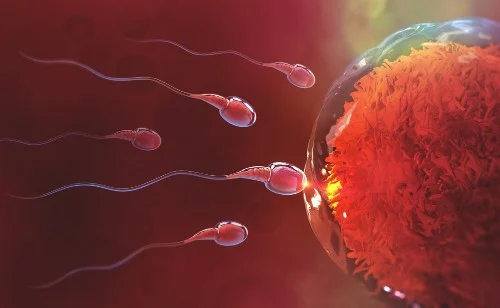
Debunking Myths About Sperm Washing and Its Effectiveness
Truth: Sperm washing is highly effective in preventing the transmission of STIs. According to the Centers for Disease Control and Prevention (CDC), the risk of HIV transmission from an HIV-positive male to his partner during an ART procedure is less than 1 in 10,000 when sperm washing is used. This is because the process removes the majority of HIV particles from the sperm. Additionally, other STIs such as hepatitis B and C, and herpes can also be effectively removed through sperm washing.
Myth #5: Sperm washing is a painful and invasive procedure.
Truth: Sperm washing is a minimally invasive procedure and is not painful. It involves washing the sperm samples multiple times to remove any potential contaminants and then separating the healthy sperm from the semen. This process is done using specialized equipment and does not involve any incisions or needles. The male partner can provide a sperm sample through masturbation, which is then used for the procedure.
Myth #6: Sperm washing is not affordable for most couples.
Truth: While sperm washing can be expensive, many fertility clinics offer financing options and some insurance plans cover the cost of ART procedures. Additionally, some clinics may offer discounts or financial assistance programs for those who qualify. It is important for couples to discuss the cost of sperm washing and other ART procedures with their healthcare provider and insurance company to determine the best options for their specific situation.
Myth #7: Sperm washing is only for couples who have exhausted all other fertility treatments.
Truth: Sperm washing can be used as a first-line treatment for couples struggling with infertility. It is often recommended for couples where the male partner has a low sperm count or poor sperm quality, as it can greatly increase the chances of conception. Additionally, sperm washing can also be used in combination with other fertility treatments such as IUI or IVF to further improve pregnancy rates.
In summary, sperm washing is a safe and effective method used in ART to separate healthy sperm from semen and improve the chances of conception. It has been extensively studied and endorsed by leading medical organizations. Sperm washing is not a new or experimental procedure and is commonly used in fertility clinics. It does not increase the risk of birth defects in babies conceived through ART and is highly effective in preventing the transmission of STIs. It is a minimally invasive procedure and can be used as a first-line treatment for couples struggling with infertility. The cost of sperm washing can also be manageable with the help of insurance coverage and financial assistance programs.
In conclusion, it is important for individuals to educate themselves and seek accurate information about sperm washing and other ART procedures. By debunking these common myths, we hope to provide a better understanding of the effectiveness and safety of sperm washing and help couples on their journey towards parenthood.