Embryo Transfer: A Revolutionary Breakthrough in Fertility Treatments
Infertility affects millions of couples around the world, causing emotional distress and financial strain as they try various methods to conceive. In recent years, advancements in technology have brought about a revolutionary breakthrough in fertility treatments – embryo transfer. This procedure has helped countless couples achieve their dream of starting a family and has given hope to those struggling with infertility. In this blog post, we will delve into the details of embryo transfer and how it has become a game-changer in the world of fertility treatments.
What is Embryo Transfer?
Embryo transfer is a technique used in assisted reproductive technology (ART) to help couples struggling with infertility conceive a child. It involves the transfer of fertilized embryos into the uterus of a woman who is trying to get pregnant. The embryos are usually created through in vitro fertilization (IVF) by combining a woman’s egg and a man’s sperm in a laboratory. Once the embryos have developed, they are transferred into the woman’s uterus, where they will hopefully implant and result in a successful pregnancy.
The History of Embryo Transfer
The concept of embryo transfer has been around for centuries, but it wasn’t until the 1970s that it became a viable option for fertility treatments. The first successful embryo transfer was performed in 1973, resulting in the birth of a healthy baby girl. Since then, the technology has evolved significantly, and today, it is a common procedure used in fertility clinics worldwide.
How Does Embryo Transfer Work?
The process of embryo transfer begins with the stimulation of a woman’s ovaries to produce multiple eggs. The eggs are then retrieved and fertilized in a laboratory, resulting in several embryos. The embryos are monitored for a few days, and the best-quality ones are selected for transfer. The number of embryos transferred varies depending on the woman’s age, medical history, and other factors.
The actual embryo transfer procedure is relatively simple and painless. It involves placing a thin catheter through the cervix and into the uterus and then carefully injecting the embryos. The entire process takes just a few minutes and is usually done under ultrasound guidance to ensure proper placement of the embryos.
Benefits of Embryo Transfer
Embryo transfer has become a popular choice for couples struggling with infertility due to its numerous benefits. Some of the advantages of this procedure include:
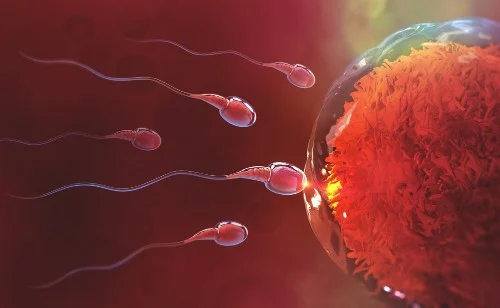
Embryo Transfer: A Revolutionary Breakthrough in Fertility Treatments
1. High Success Rates: The success rates of embryo transfer have increased significantly over the years, with some clinics reporting success rates of over 50%. This makes it a highly effective option for couples looking to conceive.
2. Fewer Risks: Compared to other fertility treatments, embryo transfer carries fewer risks. The procedure is minimally invasive and does not require any major surgery. It also has a low risk of complications, making it a safe option for many couples.
3. Multiple Pregnancy Prevention: The number of embryos transferred can be controlled, reducing the likelihood of multiple pregnancies. This is important as multiple pregnancies can increase the risk of complications for both the mother and the babies.
4. Flexibility: Embryo transfer allows for a more flexible approach to fertility treatments. The embryos can be frozen and stored for future use, giving couples more control over the timing of their pregnancy.
5. Reduced Emotional Distress: Couples struggling with infertility often experience emotional distress and anxiety. With embryo transfer, there is a higher chance of success, reducing the emotional toll of failed attempts and increasing the chances of a successful pregnancy.
Embryo Transfer and Genetic Testing
One of the most significant advancements in embryo transfer technology is the ability to perform genetic testing on the embryos before transfer. This process, known as preimplantation genetic testing (PGT), allows doctors to screen for genetic abnormalities and select the healthiest embryos for transfer. This not only increases the chances of a successful pregnancy but also reduces the risk of passing on genetic diseases to the offspring.
The Future of Embryo Transfer
The future of embryo transfer looks promising, with ongoing research and advancements in technology. One of the most significant developments is the use of artificial intelligence (AI) to analyze embryos and predict which ones have the best chance of leading to a successful pregnancy. This could significantly improve success rates and reduce the cost and emotional burden of multiple transfer attempts.
Summary
Embryo transfer has become a game-changer in the world of fertility treatments, offering hope to millions of couples struggling to conceive. This procedure involves transferring fertilized embryos into a woman’s uterus, increasing the chances of a successful pregnancy. With high success rates, fewer risks, and the ability to perform genetic testing, embryo transfer has become a popular choice for many couples. As technology continues to evolve, the future of embryo transfer looks bright, offering even more effective and innovative solutions for those struggling with infertility.