Blog Post Title: Egg Donation: A Lifesaving Option for Women with Premature Ovarian Failure
Premature Ovarian Failure (POF) is a condition in which a woman’s ovaries stop functioning before the age of 40. This can lead to infertility and other health complications. For women who dream of having a family, this diagnosis can be devastating. However, there is hope in the form of egg donation.
Egg donation is a process in which a woman’s eggs are retrieved and used for in vitro fertilization (IVF) to help another woman or couple conceive a child. This option has become a lifesaver for women with Premature Ovarian Failure, as it allows them to still have a chance at motherhood. In this blog post, we will explore the process of egg donation and how it is giving hope to women with POF.
Understanding Premature Ovarian Failure
Premature Ovarian Failure is a condition that affects about 1% of women under the age of 40. It is characterized by the loss of ovarian function, which leads to a decrease in estrogen production and the inability to produce viable eggs. This can be caused by a variety of factors, including genetic disorders, autoimmune diseases, cancer treatments, and environmental toxins.
For women with POF, the chances of conceiving naturally are extremely low. They may also experience symptoms such as irregular or absent periods, hot flashes, and vaginal dryness. In addition to infertility, POF can also increase the risk of other health issues such as osteoporosis and heart disease.
The Emotional Impact of POF
The diagnosis of POF can be emotionally and psychologically devastating for women who have always dreamed of having a family. It can lead to feelings of grief, loss, and even depression. Many women may also feel like they have lost a sense of their femininity and identity as a woman.
Egg Donation as a Solution
Egg donation has emerged as a viable solution for women with POF who want to have a child. The process involves retrieving eggs from a donor, fertilizing them with sperm in a laboratory, and then transferring the resulting embryos into the uterus of the intended mother. This process is done through IVF and has a high success rate, making it a popular option for women struggling with infertility.
Finding an Egg Donor
The first step in the egg donation process is finding a suitable donor. This can be done through an agency or through a known donor, such as a family member or friend. Agencies carefully screen potential donors for medical and psychological health, as well as other important factors such as education, physical characteristics, and family medical history.
The Egg Donation Process
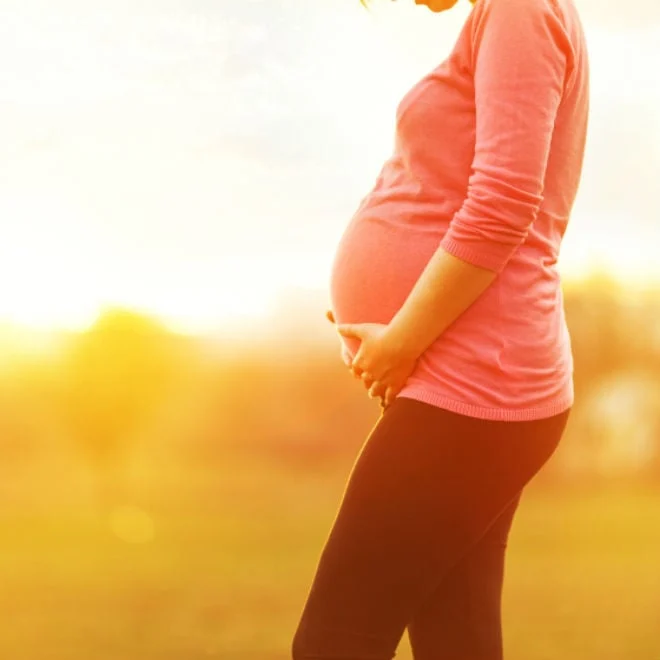
Egg Donation: A Lifesaving Option for Women with Premature Ovarian Failure
Once a donor has been selected, the egg donation process can begin. The donor will undergo a series of fertility medications to stimulate her ovaries and increase the number of eggs she produces. During this time, the intended mother will also take medications to prepare her uterus for embryo transfer.
Once the eggs have matured, they will be retrieved through a minor surgical procedure. The eggs will then be fertilized with sperm in a laboratory, and the resulting embryos will be monitored for development. After a few days, the healthiest embryos will be transferred into the uterus of the intended mother, and any remaining embryos can be frozen for future use.
The Success of Egg Donation for Women with POF
Egg donation has a high success rate, with an average of 50% of transfers resulting in a pregnancy. This option has given hope to many women with POF, allowing them to experience pregnancy and give birth to a child. It has also helped to alleviate the emotional and psychological distress associated with POF, giving women a sense of control over their fertility and future.
The Benefits of Egg Donation for Women with POF
Aside from the obvious benefit of being able to have a child, egg donation offers other advantages for women with POF. These include:
1. Biological Bonding: Egg donation allows women to experience pregnancy and give birth to a child, creating a biological bond that they may have thought was lost with the diagnosis of POF.
2. Reduced Risk of Genetic Disorders: With egg donation, the donor’s eggs are used, reducing the risk of passing on any genetic disorders that may be present in the intended mother’s family.
3. Healthier Pregnancy: Since the donor is young and healthy, the chances of a successful pregnancy and a healthy baby are increased.
4. Supportive Community: Many women who have gone through the egg donation process have formed supportive communities with other women who have also used egg donation. This can provide a sense of understanding and acceptance for those struggling with POF.
In conclusion, egg donation has become a lifesaving option for women with Premature Ovarian Failure. It offers hope, healing, and the chance to experience motherhood for those who may have thought it was no longer possible. With advancements in technology and the growing acceptance of alternative family-building methods, egg donation is providing a lifeline for women with POF.
Summary:
Premature Ovarian Failure (POF) is a condition that affects 1% of women under the age of 40, causing infertility and other health complications. Egg donation has become a lifesaving option for women with POF, allowing them to still have a chance at motherhood. The process involves retrieving eggs from a donor, fertilizing them with sperm, and transferring the resulting embryos into the uterus of the intended mother. Egg donation has a high success rate and offers many benefits, including biological bonding, reduced risk of genetic disorders, and a supportive community. It has become a source of hope and healing for women with POF who dream of having a family.