Assisted reproduction, also known as assisted reproductive technology (ART), is a medical procedure that helps individuals and couples who are struggling with fertility issues to conceive and have a baby. It involves various techniques and procedures such as in vitro fertilization (IVF), intrauterine insemination (IUI), and surrogacy. While assisted reproduction has brought joy and hope to many families, it also comes with its own set of challenges and emotional tolls. In this blog post, we will explore the importance of mental health support for individuals and couples going through assisted reproduction.
Infertility is a common issue that affects 1 in 8 couples worldwide. It is a heartbreaking and stressful experience for those who are trying to conceive. The emotional toll of infertility can lead to feelings of shame, guilt, and isolation. As a result, many individuals and couples turn to assisted reproduction as a solution to their fertility struggles. However, it is essential to understand that assisted reproduction is not a guarantee of success and can often be emotionally draining.
The process of assisted reproduction involves multiple medical procedures, hormone injections, and constant monitoring. These procedures can be physically and emotionally taxing for individuals going through them. The pressure to conceive, coupled with the fear of failure, can take a toll on one’s mental health. Studies have shown that individuals undergoing IVF treatments have higher levels of stress and anxiety compared to the general population. This stress and anxiety can also negatively impact the success rates of assisted reproduction.
One of the crucial aspects of assisted reproduction is the need for mental health support for individuals and couples going through the process. It is essential to recognize and address the emotional and psychological impact of infertility and assisted reproduction. Mental health support can provide individuals and couples with the necessary tools to cope with the stress and emotional turmoil of the process.
First and foremost, mental health support can help individuals and couples to understand and manage their emotions. Going through assisted reproduction can bring up a range of emotions, from hope and excitement to disappointment and grief. It is essential to have a safe space to express and process these emotions. Mental health professionals can provide a supportive and non-judgmental environment for individuals and couples to explore their feelings and work through them.
Additionally, mental health support can help individuals and couples to cope with the uncertainty and disappointment that often comes with assisted reproduction. As mentioned earlier, assisted reproduction is not a guarantee of success. It is a journey that comes with its own set of challenges and setbacks. Mental health professionals can help individuals and couples to develop coping strategies to deal with these challenges and maintain a positive outlook.
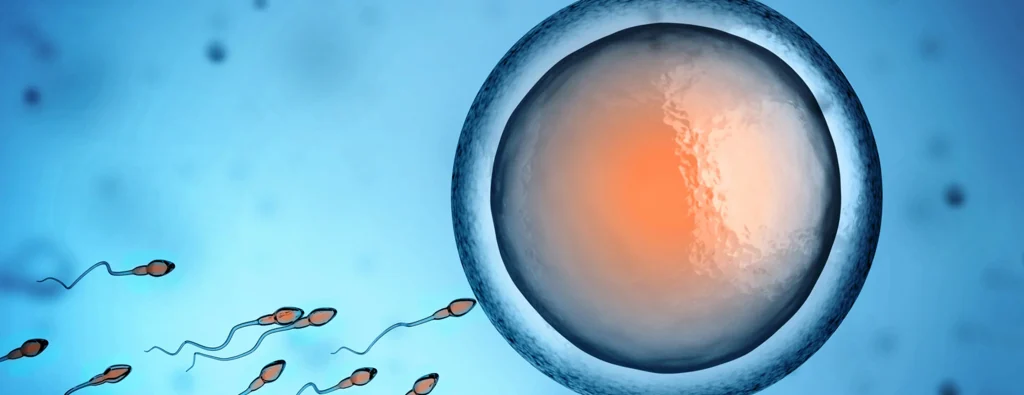
Assisted Reproduction and the Importance of Mental Health Support
Moreover, mental health support can also improve the success rates of assisted reproduction. Studies have shown that individuals who receive psychological support during IVF treatments have higher pregnancy rates compared to those who do not. This is because mental health support can help individuals to reduce stress and anxiety, which can have a positive impact on their physical health. It can also help individuals to make informed and healthy decisions throughout the process.
In addition to individual therapy, support groups can also be a valuable source of mental health support for individuals and couples going through assisted reproduction. Being able to connect with others who are going through a similar experience can provide a sense of community and understanding. Support groups can also offer a space for individuals to share their journey and learn from others’ experiences.
Furthermore, mental health support can also benefit the relationship between couples going through assisted reproduction. The emotional toll of infertility and assisted reproduction can strain a couple’s relationship, leading to conflicts and misunderstandings. Mental health professionals can help couples to communicate effectively, manage conflicts, and strengthen their relationship during this challenging time.
It is also essential to note that mental health support is not only crucial during the process of assisted reproduction but also before and after. Couples who are considering assisted reproduction can benefit from seeking mental health support beforehand. It can help them to prepare emotionally for the process and make informed decisions. Similarly, mental health support can also be beneficial for individuals and couples after the process, especially if it is unsuccessful. It can provide a safe space to grieve and heal from the disappointment and explore other options.
In conclusion, assisted reproduction can be a life-changing and emotional journey for individuals and couples struggling with infertility. While it offers hope and the possibility of starting a family, it also comes with its own set of challenges and emotional tolls. Mental health support is crucial for individuals and couples going through assisted reproduction. It can help them to manage their emotions, cope with the challenges, and improve the success rates of the process. Therefore, it is essential to prioritize mental health support alongside the medical procedures involved in assisted reproduction.
Summary:
Assisted reproduction, also known as assisted reproductive technology (ART), is a medical procedure that helps individuals and couples struggling with fertility issues to conceive and have a baby. While it brings hope and joy to many families, it also comes with its own set of challenges and emotional tolls. The emotional toll of infertility and assisted reproduction can lead to stress, anxiety, and strained relationships. Therefore, it is crucial to prioritize mental health support for individuals and couples going through assisted reproduction. Mental health support can help individuals to manage their emotions, cope with the challenges, and improve the success rates of the process. It can also strengthen relationships and provide a safe space to grieve and heal. Seeking mental health support before, during, and after the process of assisted reproduction is essential for the overall well-being of individuals and couples.