Navigating the Emotional Rollercoaster of Failed Assisted Reproduction
Assisted reproduction, also known as assisted reproductive technology (ART), has become a common solution for couples struggling with infertility. From in vitro fertilization (IVF) to intrauterine insemination (IUI), assisted reproduction techniques have helped many couples achieve their dream of starting a family. However, the road to parenthood through ART is not always smooth-sailing. For some, it can be a rollercoaster of emotions, especially when faced with failed attempts. In this blog post, we will explore the emotional journey that couples may experience when going through failed assisted reproduction and provide tips on how to navigate this challenging time.
The initial excitement and hope of starting an assisted reproduction treatment can quickly turn into disappointment and despair when the first attempt is unsuccessful. This can be a devastating blow for couples who have been struggling with infertility for some time. The feelings of loss, grief, and failure can be overwhelming, and it is essential to acknowledge and process these emotions.
One of the most common emotions experienced by couples after a failed attempt at assisted reproduction is grief. It is normal to grieve the loss of the child that could have been. Couples may also feel a sense of loss for the time, money, and energy invested in the treatment. This grief can manifest in different ways, such as anger, sadness, or numbness. It is crucial for couples to allow themselves to grieve and to seek support from loved ones or a therapist.
Another emotion that couples may experience is guilt. Many couples blame themselves for the failed attempt, thinking that they did something wrong or that they are not meant to be parents. This guilt can be overwhelming and can lead to self-doubt and low self-esteem. It is essential to remind yourself that infertility is a medical condition and that you have done everything in your power to try and conceive. Be kind to yourself and avoid self-blame.
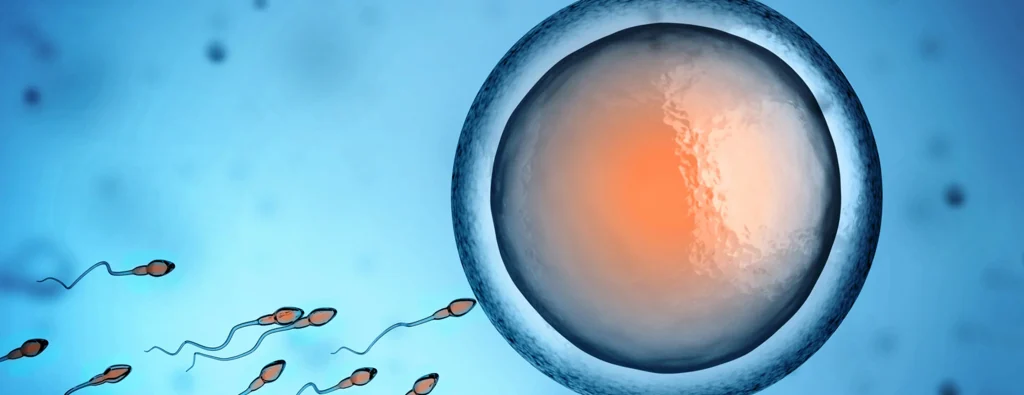
Navigating the Emotional Rollercoaster of Failed Assisted Reproduction
Along with grief and guilt, couples may also experience anxiety and fear about the future. After a failed attempt, couples may worry about their chances of success in the future and the financial strain of pursuing further treatments. It is crucial to communicate openly with your partner about your fears and to seek support from each other. Remember that you are in this together, and you can get through this difficult time as a team.
Dealing with failed assisted reproduction can also take a toll on a couple’s relationship. The stress and disappointment can lead to conflicts, misunderstandings, and a sense of disconnection. It is vital to communicate openly and honestly with your partner and to be patient and understanding with each other. Consider seeking couples counseling to help navigate these challenging emotions and strengthen your relationship.
Aside from the emotional impact on couples, failed assisted reproduction can also affect other aspects of life, such as work and social relationships. It is essential to be mindful of your mental health and to take breaks when needed. Don’t be afraid to reach out to your employer and explain your situation. Many companies have policies in place to support employees going through fertility treatments. Also, lean on your support system of friends and family who can provide a listening ear and offer their love and support.
While going through failed assisted reproduction can be incredibly challenging, it is essential to remember that it is not the end of the road. Many couples have gone through multiple failed attempts before achieving success. It is crucial to not lose hope and to keep an open mind about alternative options, such as adoption or surrogacy. Take the time to grieve and heal, but also keep your eyes on the future and the possibility of starting a family through other means.
In summary, navigating the emotional rollercoaster of failed assisted reproduction can be a difficult and trying experience for couples. It is crucial to allow yourself to grieve, seek support from loved ones, and communicate openly with your partner. Remember to be kind and patient with yourself, and don’t lose sight of the future and the possibility of starting a family through alternative means. With time and resilience, you can overcome this challenge and achieve your dream of parenthood.