Blog Post: The Role of Sperm Donation in Assisted Reproduction
Assisted reproduction is a medical procedure that helps couples or individuals to conceive a child when they are unable to do so naturally. There are various forms of assisted reproduction, and one of them is sperm donation. Sperm donation is the process of using donated sperm to fertilize a woman’s egg, either through artificial insemination or in vitro fertilization (IVF). This method has become an increasingly popular option for couples or individuals who are facing fertility issues. In this blog post, we will explore the role of sperm donation in assisted reproduction and how it has helped many people to achieve their dream of having a child.
The Need for Sperm Donation
There are various reasons why couples or individuals may need sperm donation to conceive a child. One of the most common reasons is male factor infertility, where the male partner has a low sperm count, poor sperm motility, or other reproductive issues that make it difficult to conceive. In some cases, men may also have genetic disorders or diseases that can be passed on to their offspring, making sperm donation a safer option for reproduction. Additionally, same-sex female couples or single women who want to have a child may also opt for sperm donation as a means of starting a family.
The Process of Sperm Donation
The process of sperm donation involves a donor providing his sperm to a fertility clinic or sperm bank. The sperm is then screened and tested for quality and potential genetic or infectious diseases. Once the sperm is deemed suitable for donation, it is frozen and stored until it is needed for fertility treatments. The sperm can be used for various assisted reproduction techniques, such as artificial insemination, where the sperm is directly injected into the woman’s uterus, or IVF, where the sperm is used to fertilize the woman’s eggs in a lab before being implanted into her uterus.
Benefits of Sperm Donation in Assisted Reproduction
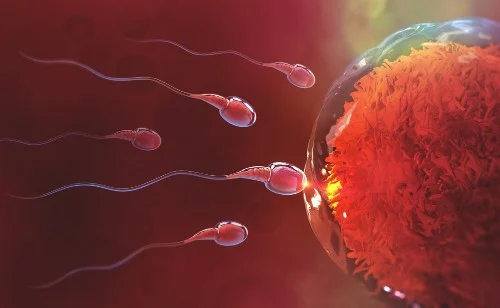
The Role of Sperm Donation in Assisted Reproduction
Sperm donation has brought hope to many couples and individuals who are struggling to conceive a child. It provides an opportunity for those who are unable to use their own sperm to have a biological child. Additionally, sperm donation allows for genetic diversity, as couples or individuals can choose a donor with physical characteristics or traits that they desire. This option is particularly helpful for same-sex couples who want their child to have genetic ties to both parents.
Sperm donation also offers a higher success rate compared to other assisted reproduction techniques, such as using a partner’s sperm. This is because the donated sperm has been screened for quality and is more likely to result in a successful pregnancy. Moreover, sperm donation allows for the use of donor sperm in cases where the male partner has a genetic disorder or disease that could be passed on to their offspring. This helps to prevent the risk of passing on genetic conditions to future generations.
Challenges and Considerations
While sperm donation has many benefits, it also comes with its own set of challenges and considerations. One of the main challenges is finding a suitable sperm donor. Most fertility clinics and sperm banks have strict guidelines for sperm donors, and the selection process can be lengthy. This can be frustrating for individuals or couples who are eager to start their family.
Another consideration is the legal and ethical implications of sperm donation. In some countries, the laws around sperm donation are not clear, and this can lead to legal challenges for families created through this method. There are also ethical concerns regarding the anonymity of donors and the potential impact on the child’s identity and sense of self.
Conclusion
Sperm donation plays a crucial role in assisted reproduction, providing a valuable option for couples and individuals who are unable to conceive naturally. It offers hope to those struggling with fertility issues and allows for genetic diversity in creating a family. While there are challenges and considerations surrounding sperm donation, it continues to be a widely used and successful method of assisted reproduction.
In summary, sperm donation is a process of using donated sperm to fertilize a woman’s egg in assisted reproduction. It is a popular option for those facing fertility issues, and it offers various benefits, such as genetic diversity and a higher success rate. However, it also comes with challenges and considerations, such as finding a suitable donor and legal and ethical implications. Overall, sperm donation has played a significant role in helping many people to achieve their dream of having a child.