Exploring the Success Rates of Fertility Treatments
Fertility is a sensitive and personal matter for many individuals and couples. The inability to conceive or carry a pregnancy to term can be emotionally and mentally taxing, leading many to seek out fertility treatments. However, with the wide variety of options available, it can be overwhelming to determine which treatment will have the highest success rate. In this blog post, we will delve into the success rates of different fertility treatments, including in vitro fertilization (IVF), intrauterine insemination (IUI), and fertility medications.
IVF is a commonly used fertility treatment that involves retrieving eggs from the ovaries and fertilizing them with sperm in a laboratory. The fertilized eggs are then transferred to the uterus, where they can implant and result in a pregnancy. According to the Centers for Disease Control and Prevention (CDC), the success rate of IVF varies based on factors such as age, cause of infertility, and previous pregnancy history. In general, the success rate for women under 35 is around 40%, while it decreases to 11% for women over 40. Additionally, the use of donor eggs can significantly increase the success rate, with a 55% success rate for women under 35 and a 28% success rate for women over 40.
Another fertility treatment option is IUI, which involves placing sperm directly into the uterus during ovulation. This method is generally used for couples who have unexplained infertility or for women with mild endometriosis or ovulation disorders. The success rate for IUI is around 10-20% per month, with the highest chances of success occurring in the first three to four cycles. However, the success rate can vary depending on factors such as age and the underlying cause of infertility.
Fertility medications, such as clomiphene citrate and letrozole, are also commonly used to stimulate ovulation in women with ovulation disorders. These medications work by regulating the hormones responsible for ovulation, increasing the chances of pregnancy. The success rate for fertility medications ranges from 15-20% per cycle, with higher success rates for women under 35.
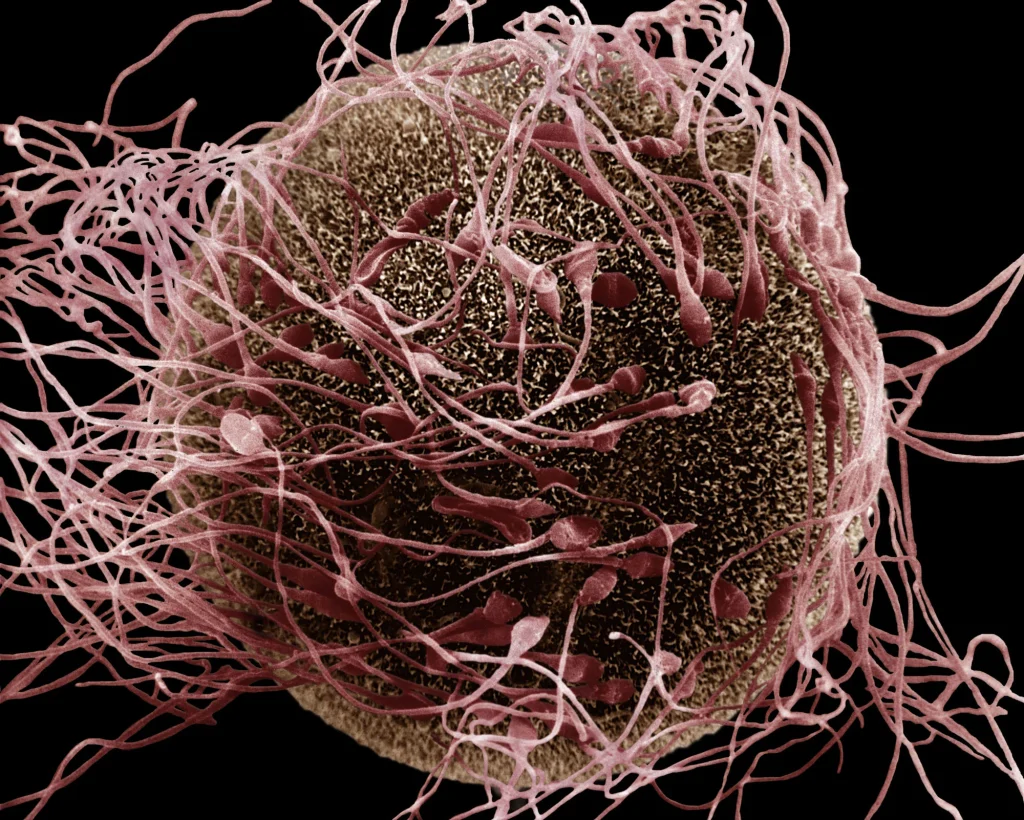
Exploring the Success Rates of Fertility Treatments
Aside from these traditional fertility treatments, alternative options such as acupuncture, naturopathy, and herbal remedies have also gained popularity. While there is limited scientific evidence to support the effectiveness of these methods, many individuals and couples have reported success. However, it is crucial to consult with a healthcare professional before trying any alternative treatments, as they may interfere with or contradict traditional fertility treatments.
In addition to the type of treatment, other factors such as lifestyle choices and overall health can also impact the success rates of fertility treatments. For example, smoking, excessive alcohol consumption, and being overweight can decrease the chances of success. On the other hand, maintaining a healthy weight, eating a balanced diet, and reducing stress levels can improve the chances of success.
It is also essential to note that the success rates of fertility treatments can vary significantly between individuals and couples. Fertility is a complex issue, and there is no one-size-fits-all approach to treatment. It is crucial to consult with a fertility specialist to determine the best course of treatment for your specific situation.
In conclusion, fertility treatments have varying success rates, and it is essential to consider all factors when deciding on a treatment plan. IVF, IUI, and fertility medications are all viable options, with success rates ranging from 10-55%. Alternative treatments may also provide success for some individuals, but it is crucial to consult with a healthcare professional before trying any methods. Ultimately, the most significant factor in the success of fertility treatments is the individual’s unique circumstances and overall health.
SEO Metadata: