Blog Post:
In recent years, artificial insemination has become a popular method for couples struggling with fertility issues. This assisted reproductive technology involves the placement of sperm directly into the cervix or uterus to increase the chances of conception. While it may seem like a simple and effective solution, the success of artificial insemination can be greatly impacted by stress and anxiety. In this blog post, we will delve into the effects of stress and anxiety on artificial insemination success and how to manage these factors to increase the chances of a successful outcome.
Stress and anxiety are common experiences that affect individuals in many aspects of life. When it comes to fertility, these emotions can have a significant impact on the success of artificial insemination. In fact, studies have shown that high levels of stress and anxiety can lead to disruptions in the reproductive system, making it more difficult to conceive. Additionally, stress and anxiety can also have a negative effect on the success of artificial insemination by causing changes in hormonal levels, which can affect ovulation and implantation.
One of the ways that stress and anxiety can affect artificial insemination success is through the release of cortisol, also known as the “stress hormone”. When a person is under stress, the body produces higher levels of cortisol, which can interfere with the production of reproductive hormones such as estrogen and progesterone. These hormones play a crucial role in the menstrual cycle and the development of a healthy uterine lining, which is essential for successful artificial insemination. When cortisol levels are high, it can lead to an irregular menstrual cycle, making it difficult to track ovulation and determine the optimal time for insemination.
Moreover, stress and anxiety can also have a direct effect on sperm quality. Studies have shown that men who experience chronic stress and anxiety have lower sperm count, motility, and morphology. This means that the sperm may not be able to reach the egg or fertilize it successfully. In addition, stress can also lead to changes in the immune system, causing inflammation in the reproductive organs, which can further hinder the success of artificial insemination.
Anxiety, on the other hand, can have a more psychological impact on artificial insemination success. The fear of failure, disappointment, and the pressure to conceive can all contribute to high levels of anxiety in couples undergoing artificial insemination. This can lead to performance anxiety in men, making it difficult for them to produce a semen sample, or for women to relax during the procedure, which can affect the chances of successful insemination. Furthermore, anxiety can also cause muscle tension and uterine contractions, making it more challenging for the sperm to reach the egg and fertilize it.
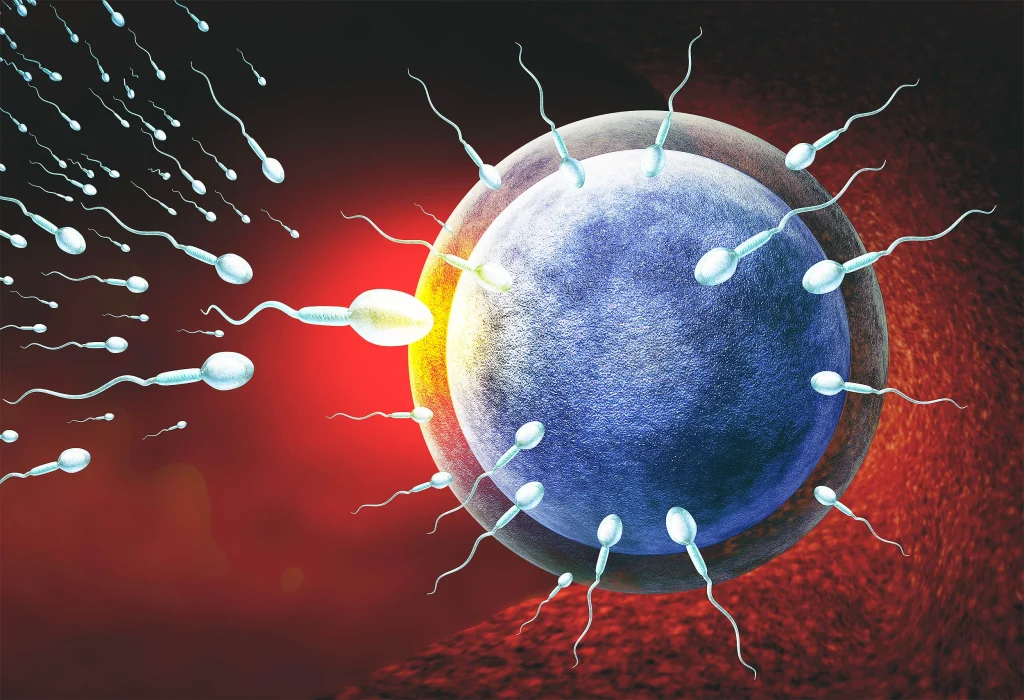
The Impact of Stress and Anxiety on Artificial Insemination Success
Managing stress and anxiety is crucial for couples undergoing artificial insemination. One of the most effective ways to reduce stress and anxiety is to practice relaxation techniques such as deep breathing, meditation, and yoga. These techniques can help to calm the mind and body, reduce cortisol levels, and promote overall well-being. It is also essential for couples to communicate openly and support each other throughout the process. Talking about fears and concerns can help to alleviate anxiety and bring couples closer together.
Furthermore, seeking professional help through therapy or counseling can also be beneficial for managing stress and anxiety during artificial insemination. A therapist can provide coping mechanisms and tools to help individuals deal with the emotional challenges of the process and reduce anxiety levels. They can also help couples navigate any relationship issues that may be contributing to their stress and anxiety.
Another important aspect to consider is lifestyle changes that can help to reduce stress and anxiety. This includes getting enough sleep, eating a healthy diet, and exercising regularly. These habits can help to improve overall physical and mental health, making it easier to manage stress and anxiety during the artificial insemination process.
In addition to managing stress and anxiety, it is also crucial for couples to have realistic expectations about the success of artificial insemination. While it can be a highly effective method for some couples, it may not work for others. Being aware of the success rates and understanding that it may take multiple attempts can help to reduce the pressure and anxiety associated with the process.
In conclusion, stress and anxiety can have a significant impact on the success of artificial insemination. It is crucial for couples to manage these emotions through relaxation techniques, seeking professional help, and making lifestyle changes. By taking care of their emotional and physical well-being, couples can increase their chances of a successful outcome and embark on their journey to parenthood with a more positive mindset.
Summary:
Stress and anxiety can greatly impact the success of artificial insemination. High levels of stress can disrupt the reproductive system, while anxiety can lead to psychological barriers that can hinder the process. These emotions can affect ovulation, sperm quality, and the overall success of artificial insemination. To increase the chances of a successful outcome, it is essential for couples to manage stress and anxiety through relaxation techniques, seeking professional help, and making lifestyle changes. Having realistic expectations and open communication can also help to alleviate anxiety and bring couples closer together.