Exploring the Cultural and Religious Perspectives on Artificial Insemination
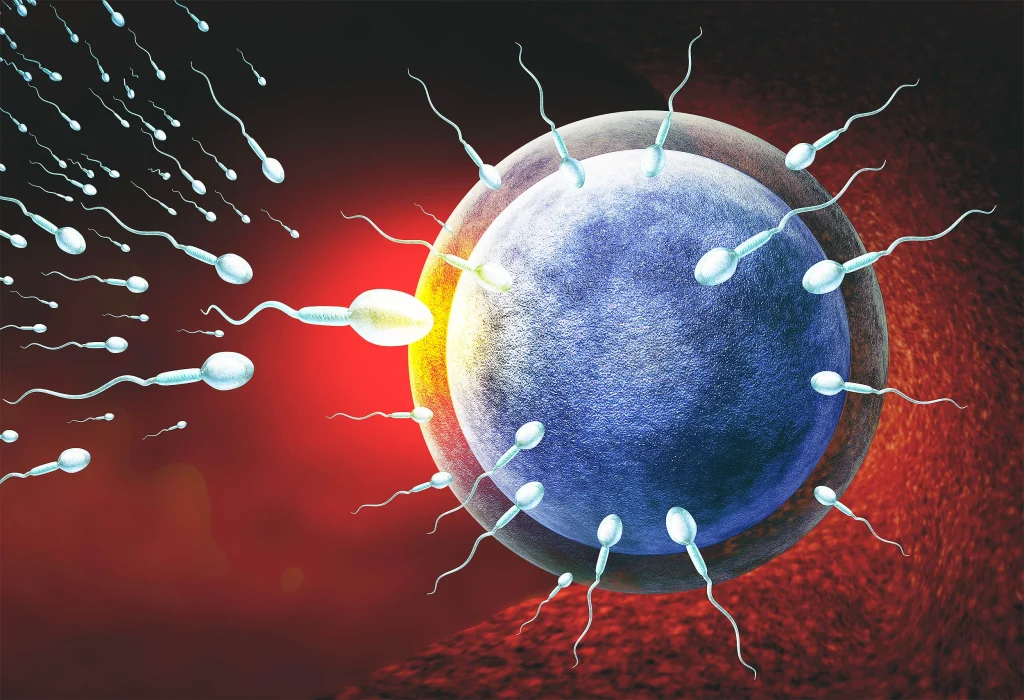
Artificial insemination, also known as assisted reproductive technology (ART), is a medical procedure that involves the insertion of sperm into a woman’s reproductive tract for the purpose of achieving pregnancy. This procedure has been a topic of controversy and debate for many years, especially when it comes to cultural and religious perspectives. While some cultures and religions view artificial insemination as a viable option for couples struggling with infertility, others see it as a violation of natural laws and religious beliefs. In this blog post, we will explore the various cultural and religious perspectives on artificial insemination and how they shape the attitudes and beliefs surrounding this procedure.
Cultural Perspectives:
Cultures around the world have different views and attitudes towards artificial insemination. In some cultures, infertility is seen as a source of shame and stigma, and couples may resort to ART to overcome this societal pressure. In other cultures, having a child is considered a duty and a way to carry on the family name, and therefore, artificial insemination is seen as a means to fulfill this duty.
In countries like India and China, where male children are highly valued, there has been a rise in the number of couples seeking gender selection through artificial insemination. This practice has sparked ethical concerns and debates, as it goes against the natural order of conception and can lead to gender imbalance in society.
In contrast, some cultures, such as Native American and African cultures, have a more spiritual perspective on infertility and may view ART as interfering with the natural process of procreation. These cultures often have traditional healing practices and beliefs that involve fertility rituals and herbal remedies, which may be seen as a more natural and holistic approach to addressing infertility.
Religious Perspectives:
Religion plays a significant role in shaping attitudes towards artificial insemination. In some religions, such as Christianity and Judaism, the creation of life is seen as a sacred act that should only occur within the bounds of marriage. Therefore, artificial insemination outside of marriage may be viewed as a violation of religious beliefs.
Exploring the Cultural and Religious Perspectives on Artificial Insemination
In the Catholic Church, artificial insemination is not accepted as it goes against the Church’s teachings on the sanctity of life and the natural order of conception. However, some other Christian denominations, such as the Church of England, allow artificial insemination for married couples as long as it is done within the context of a loving relationship.
In Islam, artificial insemination is generally accepted as long as it is done within the boundaries of marriage and with the husband’s sperm. However, there are different opinions among Islamic scholars regarding the use of donor sperm or eggs, and this has led to debates within the Muslim community.
In Hinduism, the issue of artificial insemination is complex, as there is no specific religious text or teachings on the subject. Some Hindus believe in the importance of procreation and view ART as a way to fulfill this duty, while others see it as a violation of natural laws and spiritual beliefs.
Ethical Concerns:
Apart from cultural and religious perspectives, there are also ethical concerns surrounding artificial insemination. One of the main concerns is the commodification of human life, as the use of donor sperm or eggs can lead to the creation of a child without a genetic connection to one or both parents. This raises questions about the child’s identity and the emotional impact on the family dynamic.
Another ethical concern is the potential for exploitation of women, as they are often the ones who undergo the procedure and may face physical and emotional risks. In some countries, the lack of regulations and guidelines for ART has led to cases of exploitation, such as the illegal sale of donor eggs and surrogacy.
Summing Up:
In conclusion, the cultural and religious perspectives on artificial insemination vary greatly and are influenced by societal norms, beliefs, and values. While some cultures and religions view ART as a means to overcome infertility and fulfill a duty to procreate, others see it as a violation of natural laws and religious beliefs. Ethical concerns also play a significant role in shaping attitudes towards artificial insemination, and it is essential to consider these perspectives when discussing this controversial topic.