Blog Post: The Impact of Artificial Insemination on Traditional Family Dynamics
For centuries, the traditional family structure has been defined by a married couple, with a husband and wife, and their biological children. However, with advancements in technology, the concept of family has evolved. One of the most significant changes has been the availability of artificial insemination, which has had a significant impact on traditional family dynamics. In this blog post, we will explore the history of artificial insemination, its impact on traditional family structures, and the potential challenges and benefits that come with this modern form of procreation.
History of Artificial Insemination
The concept of artificial insemination is not a new one. In fact, it dates back to the early 19th century when scientists began experimenting with the idea of fertilizing an egg outside of the human body. However, it was not until the 20th century that artificial insemination became a widespread practice. In the 1920s, artificial insemination was primarily used to help infertile couples conceive. However, with the development of reliable hormone treatments and donor sperm banks, artificial insemination became a viable option for single women and same-sex couples as well.
Impact on Traditional Family Dynamics
Artificial insemination has had a significant impact on traditional family dynamics in several ways. First and foremost, it has challenged the traditional definition of family. With the use of donor sperm, a child can now have three biological parents – the mother who carries and gives birth to the child, the father who donates the sperm, and the donor who contributes the genetic material. This creates a new dynamic within the family structure, blurring the lines of traditional roles and responsibilities.
Moreover, artificial insemination has also challenged the societal expectations of traditional gender roles. In a traditional family, the father is typically seen as the primary breadwinner, and the mother as the caregiver. However, with the availability of artificial insemination, single women and same-sex couples can now have children without a male partner. This has challenged the notion that a child needs both a mother and a father to have a well-rounded upbringing.
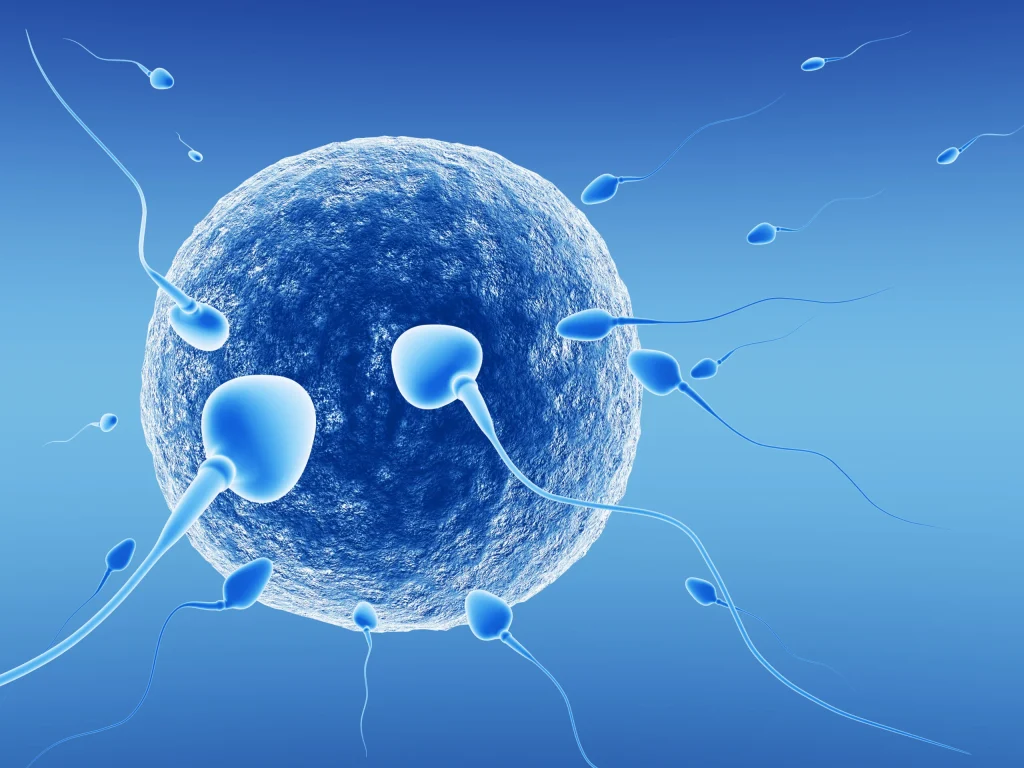
The Impact of Artificial Insemination on Traditional Family Dynamics
Challenges and Benefits of Artificial Insemination
While the advancement of artificial insemination has brought about positive changes in traditional family dynamics, it also comes with its own set of challenges and potential benefits. One of the main challenges is the ethical concerns surrounding donor anonymity and the impact on the child’s identity. In traditional families, a child knows their biological parents, but in the case of artificial insemination, the child may never know their donor father. This can lead to confusion and identity issues for the child as they grow up.
On the other hand, one of the significant benefits of artificial insemination is the increased accessibility to parenthood. For infertile couples, single women, and same-sex couples, artificial insemination offers a chance to experience parenthood that was not possible before. It has allowed individuals who may not have been able to conceive naturally to have a biological child and start a family.
Another benefit is the potential for more diverse and inclusive families. Artificial insemination has opened up possibilities for couples who may not have been able to have a child together, such as same-sex couples. This has led to a more diverse representation of families, challenging the traditional idea of what a family should look like.
Impact on Children
The impact of artificial insemination on children born through this method is a topic of ongoing research. While some studies have shown that children born through artificial insemination do not face any significant psychological issues, others have suggested that they may experience a sense of loss or confusion about their identity. It is essential for parents and society as a whole to be mindful of these potential challenges and provide support and guidance to these children as they navigate their identities.
Summary
Traditional family dynamics have been significantly impacted by the advancements in artificial insemination technology. It has challenged the traditional definition of family, gender roles, and societal expectations. While it has brought about positive changes in the form of increased accessibility to parenthood and more diverse and inclusive families, it also comes with its own set of challenges, such as ethical concerns and potential identity issues for the child. It is crucial for us to recognize and embrace these changes, while also being mindful of the potential challenges and providing support to all families, regardless of their form.