The Art and Science of Choosing a Sperm Donor for AI in 2025
In recent years, the use of artificial insemination (AI) has become increasingly popular as a means of conception for couples struggling with fertility issues. With advancements in technology and the growing acceptance of non-traditional family structures, the demand for sperm donors has also increased. However, with this rise in demand comes the need for careful consideration and selection of the right sperm donor. In 2025, this process will become even more complex as the field of AI continues to evolve and grow. In this blog post, we will explore the art and science behind choosing a sperm donor for AI in 2025 and the important factors to consider in this decision-making process.
The Art of Choosing a Sperm Donor
Choosing a sperm donor is not a decision to be taken lightly. It requires careful consideration and understanding of personal preferences, beliefs, and values. In 2025, as AI becomes more mainstream and accessible, the art of choosing a sperm donor will become even more important. This is because AI allows for a wider range of options and choices, including physical characteristics, educational background, and even personality traits.
One of the key factors in the art of choosing a sperm donor is understanding the importance of genetics. While physical characteristics and traits may be important, it is crucial to consider the donor’s medical history and potential genetic diseases. In 2025, advances in genetic testing and screening will play a significant role in this process, allowing for a more thorough and accurate evaluation of potential donors.
Another important aspect of the art of choosing a sperm donor is considering the impact on the child. In traditional conception, the child inherits half of their genetic makeup from each parent. However, in AI, the child will solely inherit the genetic makeup of the sperm donor. This means that careful consideration must be given to the donor’s medical history, family health, and any potential hereditary diseases that may be passed on. In 2025, as AI technology continues to advance, it may also be possible to select donors based on specific genetic traits or characteristics, further highlighting the importance of this decision.
The Science of Choosing a Sperm Donor
While the art of choosing a sperm donor focuses on personal preferences and values, the science behind it is equally important. In 2025, advancements in technology and medical research will play a significant role in the selection process. This includes the use of genetic testing and screening, as well as the ability to choose donors based on specific genetic traits.
One of the most significant advancements in the science of choosing a sperm donor is the use of DNA sequencing. This technology allows for a more comprehensive analysis of a donor’s genetic makeup, including potential hereditary diseases and genetic predispositions. In 2025, it is expected that DNA sequencing will become standard practice in sperm donor selection, providing more accurate and detailed information for prospective parents.
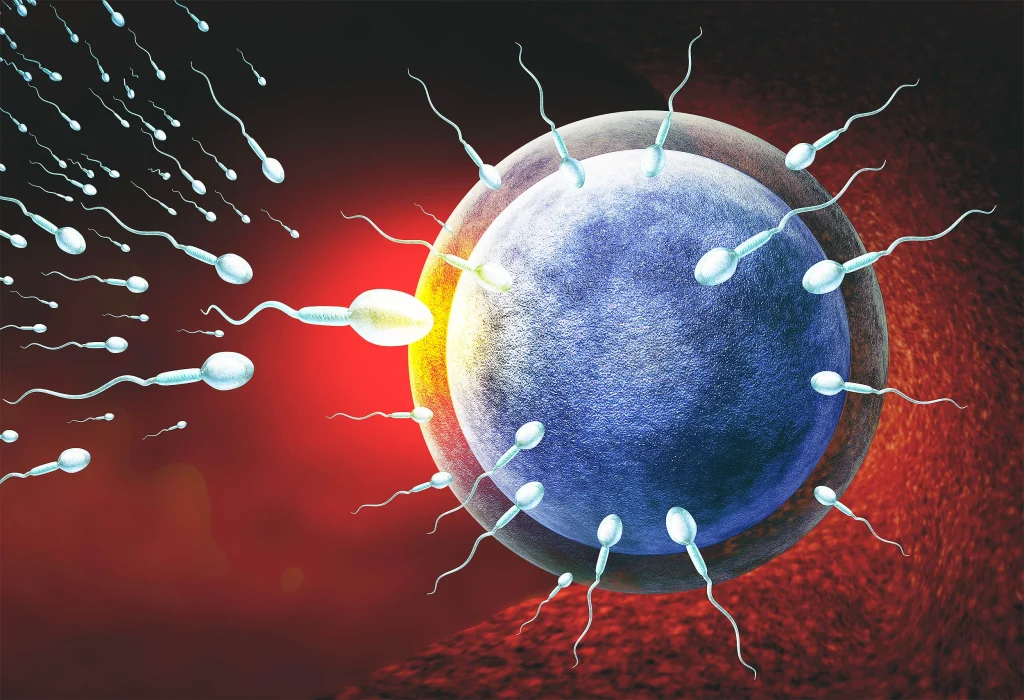
The Art and Science of Choosing a Sperm Donor for AI in 2025
Another key aspect of the science of choosing a sperm donor is understanding the role of epigenetics. Epigenetics is the study of how environmental factors can influence the expression of genes. This means that even if a donor has no known genetic diseases, their lifestyle and environment may still impact the genetic makeup of their offspring. In 2025, it is likely that epigenetics will play a more significant role in the selection process, allowing for a more thorough evaluation of potential donors.
Factors to Consider in Choosing a Sperm Donor for AI in 2025
As we look towards 2025, there are several important factors that should be considered when choosing a sperm donor for AI. These include:
– Medical History and Genetic Makeup: As mentioned, it is crucial to consider the donor’s medical history and potential genetic diseases that may be passed on to the child.
– Personal Preferences and Values: While the science behind sperm donor selection is critical, personal preferences and values should not be overlooked. It is essential to choose a donor who aligns with your beliefs and values, as this will ultimately influence the upbringing of your child.
– Epigenetics: As technology and research in epigenetics continue to advance, it is important to consider the potential impact of a donor’s lifestyle and environment on the child’s genetic makeup.
– Genetic Testing and Screening: In 2025, genetic testing and screening will likely become more advanced and accessible, providing more detailed and accurate information for prospective parents.
– Cost and Accessibility: With the rise in demand for sperm donors, the cost and accessibility of AI may be a factor to consider in 2025. It is important to research and understand the various options and costs associated with AI and sperm donation.
In summary, choosing a sperm donor for AI in 2025 will require a balance of both art and science. While personal preferences and values will play a significant role in the decision-making process, advancements in technology and medical research will also be crucial. It is important to carefully consider all factors and make an informed decision that is best for you and your future family.